Introduction
Healthy soil is the foundation of successful gardening and agriculture. Whether you are growing vegetables in a backyard garden, maintaining ornamental plants, or managing large-scale crops, soil quality directly influences plant growth, nutrient availability, and overall productivity. Among the many natural substances that contribute to soil health, humic and fulvic acids have gained significant attention for their remarkable ability to enhance soil performance.
Derived from the decomposition of organic matter over long periods, humic and fulvic acids are essential components of soil organic matter. They play a crucial role in improving soil structure, increasing nutrient efficiency, stimulating microbial activity, and supporting stronger plant growth. As sustainable farming practices become increasingly important, these natural compounds offer an eco-friendly solution for improving soil fertility without relying heavily on synthetic inputs.
This guide explores how humic and fulvic acids work, their benefits for soil health, and why they are becoming indispensable tools in modern gardening and agriculture.
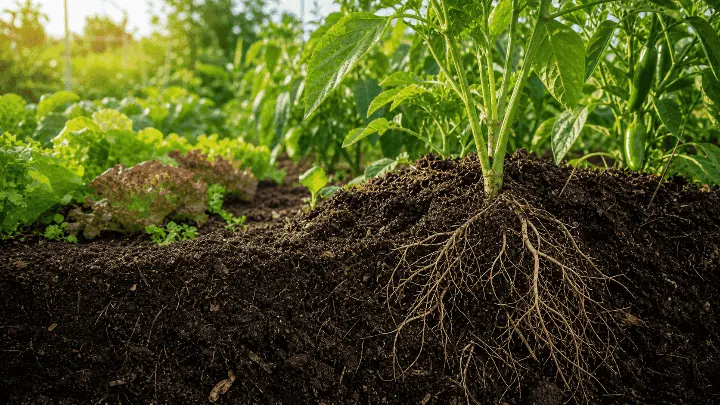
Understanding Humic and Fulvic Acids
Humic and fulvic acids belong to a group of organic compounds known as humic substances. These substances form naturally during the decomposition of plant and animal residues through biological and chemical processes.
What Is Humic Acid?
Humic acid is a large, complex organic molecule that primarily improves soil structure and nutrient retention. It remains insoluble under acidic conditions but becomes active within the soil environment where it enhances physical and biological soil properties.
Key characteristics of humic acid include:
- Improves soil aggregation
- Enhances water retention
- Increases cation exchange capacity (CEC)
- Promotes microbial activity
- Supports root development
What Is Fulvic Acid?
Fulvic acid is a smaller molecular compound that remains soluble across all pH ranges. Because of its smaller size, fulvic acid can easily penetrate plant tissues and transport nutrients efficiently.
Key characteristics of fulvic acid include:
- Improves nutrient uptake
- Enhances micronutrient availability
- Stimulates plant metabolism
- Supports seed germination
- Increases nutrient mobility within plants
While humic acid primarily improves the soil environment, fulvic acid focuses on maximizing nutrient availability and plant absorption.
The Role of Humic and Fulvic Acids in Soil Performance
1. Improving Soil Structure
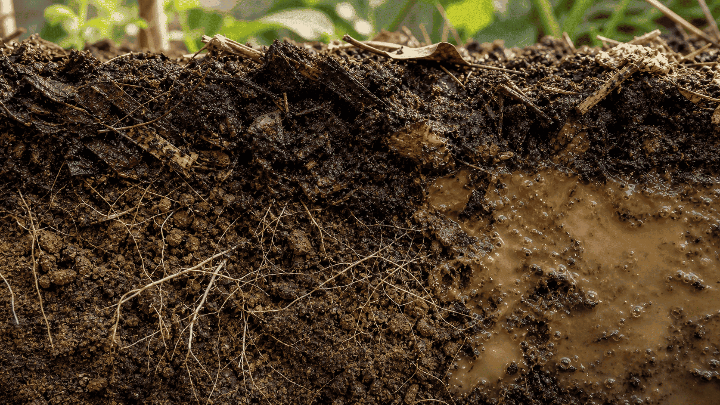
One of the most important benefits of humic acid is its ability to improve soil structure.
Poor soil often becomes compacted, restricting root growth and reducing water infiltration. Humic acid binds soil particles together into stable aggregates, creating a more porous and well-aerated soil structure.
Benefits of Improved Soil Structure
- Better root penetration
- Enhanced oxygen availability
- Increased water infiltration
- Reduced soil compaction
- Improved drainage in heavy soils
In sandy soils, humic acid helps bind particles together, while in clay soils it loosens dense structures, creating a more balanced growing environment.
2. Enhancing Water Retention
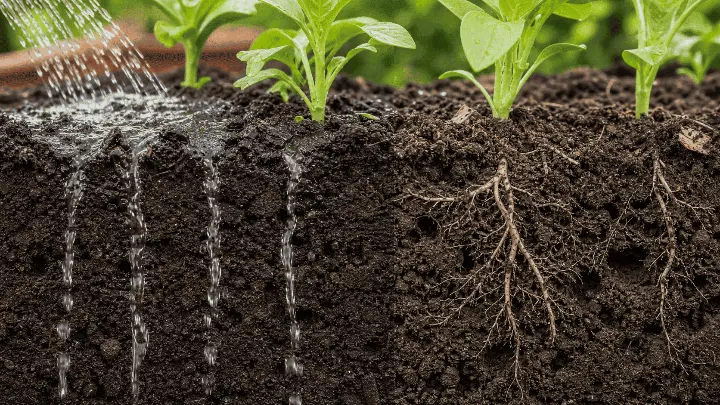
Water management is a major challenge in agriculture, especially in regions experiencing drought or irregular rainfall.
Humic acid acts like a natural sponge within the soil, holding moisture around plant roots and reducing water loss.
Advantages of Better Water Retention
- Reduced irrigation requirements
- Improved drought tolerance
- Consistent moisture availability
- Lower risk of plant stress
- Better nutrient movement in the root zone
This benefit is particularly valuable for container gardening, vegetable cultivation, and water-sensitive crops.
3. Increasing Nutrient Availability
Many soils contain nutrients that plants cannot access because they are locked in unavailable forms.
Humic and fulvic acids help convert these nutrients into plant-available forms through a process known as chelation.
How Chelation Works
Chelation surrounds nutrient ions and prevents them from becoming fixed in the soil. This keeps nutrients available for plant uptake over longer periods.
Nutrients commonly enhanced through chelation include:
- Iron
- Zinc
- Copper
- Manganese
- Calcium
- Magnesium
As a result, plants receive more balanced nutrition and exhibit healthier growth.
4. Improving Nutrient Uptake Efficiency
Fulvic acid serves as a natural nutrient transporter.
Its small molecular size allows it to carry nutrients directly into plant cells, improving nutrient absorption and utilization.
Benefits for Plants
- Faster nutrient absorption
- Enhanced metabolic activity
- Improved photosynthesis
- Increased energy production
- Better overall plant vigor
This means plants can utilize fertilizers more efficiently, reducing waste and improving return on investment for growers.
5. Stimulating Beneficial Soil Microorganisms
Healthy soils contain billions of microorganisms that contribute to nutrient cycling and plant health.
Humic substances provide a favorable environment and food source for beneficial microbes, including:
- Nitrogen-fixing bacteria
- Mycorrhizal fungi
- Decomposer organisms
- Plant-growth-promoting bacteria
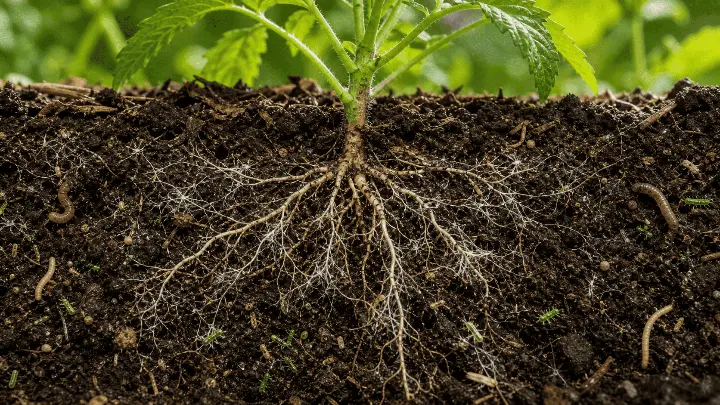
Why Microbial Activity Matters
Active microbial populations help:
- Break down organic matter
- Release nutrients
- Improve soil fertility
- Suppress harmful pathogens
- Support root health
The result is a biologically active soil ecosystem capable of sustaining long-term productivity.
6. Boosting Root Development
Strong roots are essential for nutrient uptake, water absorption, and plant stability.
Humic and fulvic acids stimulate root growth by enhancing cell division and encouraging the development of fine feeder roots.
Benefits of Enhanced Root Systems
- Greater nutrient absorption
- Increased drought resistance
- Faster establishment of seedlings
- Improved transplant success
- Better overall plant resilience
Plants with larger root systems are generally healthier and more capable of withstanding environmental stress.
7. Improving Soil Cation Exchange Capacity (CEC)
Cation Exchange Capacity (CEC) refers to a soil's ability to hold and exchange positively charged nutrients.
Humic acid significantly increases CEC, allowing soil to retain important nutrients such as:
- Potassium
- Calcium
- Magnesium
- Ammonium
Results of Higher CEC
- Reduced nutrient leaching
- Improved fertilizer efficiency
- More stable nutrient supply
- Better long-term soil fertility
This is especially beneficial in sandy soils where nutrient loss can occur rapidly.
8. Reducing Environmental Stress on Plants
Plants often face stress from:
- Heat
- Drought
- Salinity
- Nutrient deficiencies
- Transplant shock
Humic and fulvic acids help plants develop stronger defense mechanisms by improving nutrient status and physiological functions.
Stress Management Benefits
- Better recovery after transplanting
- Improved tolerance to extreme temperatures
- Enhanced drought survival
- Reduced effects of nutrient deficiencies
- Greater overall resilience
Healthier plants are more productive and less susceptible to disease and environmental damage.
9. Supporting Sustainable Agriculture

Modern agriculture faces increasing pressure to reduce chemical inputs while maintaining productivity.
Humic and fulvic acids support sustainable farming by:
- Improving fertilizer efficiency
- Reducing nutrient runoff
- Enhancing soil health naturally
- Promoting biological activity
- Lowering dependency on synthetic amendments
By improving nutrient use efficiency, growers can often achieve similar or better results while applying fewer fertilizers.
Application Methods
Humic and fulvic acids can be applied in several ways depending on crop requirements.
Soil Application
Applied directly to soil through irrigation systems or soil drenches to improve soil health and nutrient retention.
Foliar Spray
Fulvic acid is often applied as a foliar spray because it readily penetrates plant tissues and delivers nutrients directly to leaves.
Seed Treatment
Treating seeds with humic and fulvic acids can improve germination rates and early root development.
Compost Enhancement
Adding humic substances to compost can accelerate microbial activity and improve nutrient availability.
Best Practices for Maximum Results
To achieve the greatest benefits from humic and fulvic acids:
- Use high-quality, naturally sourced products.
- Apply regularly throughout the growing season.
- Combine with organic matter such as compost.
- Maintain proper irrigation practices.
- Follow recommended application rates.
- Integrate with balanced fertilization programs.
Consistent use often produces cumulative improvements in soil health over time.
Conclusion
Humic and fulvic acids are among the most valuable natural tools for improving soil performance. By enhancing soil structure, increasing water retention, boosting nutrient availability, stimulating beneficial microbes, and supporting stronger root growth, they create an environment where plants can thrive naturally.
Humic acid primarily improves the physical and biological properties of soil, while fulvic acid enhances nutrient mobility and plant absorption. Together, they form a powerful combination that promotes healthier soils, stronger plants, and more sustainable agricultural practices.
Whether you are a home gardener, landscaper, or commercial grower, incorporating humic and fulvic acids into your soil management strategy can lead to improved productivity, better plant health, and long-term soil fertility. Investing in soil health today creates a stronger foundation for successful growing seasons in the future.

How Humic and Fulvic Acids Improve Soil Performance