Perlite for Gardening: The Secret to Healthier Roots and Better Plant Growth
What is Perlite?
Perlite is a naturally occurring volcanic glass that expands when heated at high temperatures, creating lightweight white granules with a porous structure. Widely used in gardening and horticulture, perlite improves soil aeration, drainage, and root development, making it an essential ingredient in potting mixes and growing media.
Whether you are growing houseplants, vegetables, flowers, succulents, or nursery plants, perlite can significantly enhance plant health by creating the ideal environment for roots to thrive.
What is Perlite?
Perlite is a naturally occurring volcanic glass formed when molten lava cools rapidly and traps small amounts of water within its structure. When raw perlite is heated to temperatures of approximately 850–900°C, the trapped moisture vaporizes and expands, causing the material to puff up like popcorn.
This expansion process creates a lightweight, porous material filled with countless tiny air pockets. The resulting white granules are sterile, chemically stable, and highly beneficial for horticultural applications.
Because of its unique physical properties, perlite is commonly incorporated into potting soils and growing media to enhance drainage and aeration while maintaining appropriate moisture levels around plant roots.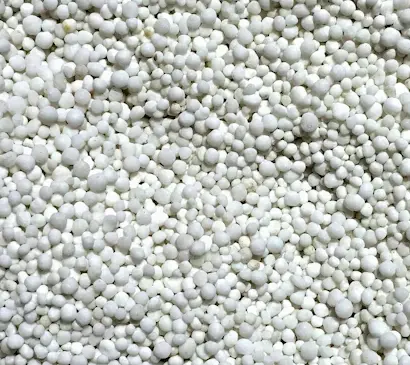
Benefits of Using Perlite in Gardening
Improves Soil Aeration
Perlite increases the amount of air available around plant roots. Better oxygen circulation encourages stronger root systems and enhances nutrient absorption.
Enhances Drainage
One of the biggest advantages of perlite is its ability to improve drainage. It prevents waterlogging and reduces the risk of root diseases caused by excessive moisture.
Promotes Healthy Root Development
The porous texture of perlite allows roots to spread easily, resulting in stronger and healthier plants.
Lightweight and Easy to Handle
Unlike sand or gravel, perlite is extremely lightweight, making it ideal for container gardening, rooftop gardens, and hanging baskets.
Prevents Soil Compaction
Over time, soil can become dense and compact. Perlite helps maintain a loose soil structure, allowing roots to grow freely.
Supports Better Plant Growth
By improving air circulation and water management, perlite creates ideal growing conditions that encourage faster growth and healthier foliage.
Why Plants Need Perlite
Roots require a delicate balance of air, water, and nutrients. In dense or compacted soils, oxygen becomes limited, making it difficult for roots to absorb nutrients efficiently. Excess moisture can further create conditions favorable for root diseases and fungal infections.
Perlite addresses these challenges by:
- Increasing oxygen availability around roots
- Improving water drainage
- Reducing soil compaction
- Supporting healthy microbial activity
- Encouraging vigorous root growth
The result is stronger plants that are better equipped to absorb nutrients and withstand environmental stress.
How to Use Perlite in Gardening
Potting Mixes
Mix perlite with garden soil, coco peat, compost, or potting mix to improve drainage and aeration. A common ratio is:
- 20–30% Perlite
- 40–50% Coco Peat
- 20–30% Compost or Organic Matter
Seed Starting
Perlite provides a sterile and lightweight medium for seed germination. It helps maintain moisture while preventing fungal issues.
Rooting Cuttings
Many gardeners use perlite alone or mixed with coco peat to propagate stem cuttings. The airy environment encourages rapid root formation.
Succulent and Cactus Growing
Succulents and cacti require excellent drainage. Adding perlite to the growing medium prevents excess water retention and reduces root rot.
Hydroponic Systems
Perlite is commonly used in hydroponic cultivation as a growing medium because of its excellent moisture retention and aeration properties.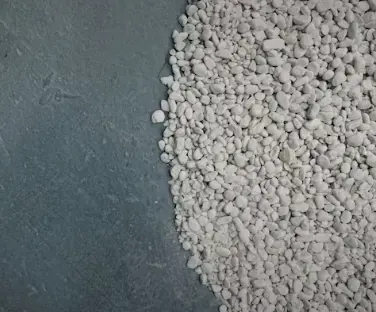
Major Benefits of Using Perlite
1. Improves Soil Aeration
Plant roots need oxygen for respiration and growth. Compact soil often limits airflow, leading to weak root systems.
Perlite creates numerous air channels within the growing medium, allowing oxygen to reach root zones efficiently. Enhanced aeration promotes healthier root development and improved nutrient uptake.
Benefits of Improved Aeration:
- Stronger root systems
- Better nutrient absorption
- Increased plant vigor
- Faster establishment of seedlings
2. Enhances Drainage
One of perlite's most valued properties is its ability to improve drainage.
Waterlogged soil can suffocate roots and encourage diseases such as root rot. Perlite prevents excess water accumulation by creating pathways through which water can drain freely.
This is especially beneficial for:
- Succulents
- Cacti
- Orchids
- Indoor houseplants
- Container-grown vegetables
3. Prevents Soil Compaction
Over time, soil particles can settle and become compacted, reducing pore spaces and restricting root growth.
Perlite helps maintain a loose, open soil structure by separating soil particles and preserving air pockets.
Advantages:
- Easier root penetration
- Better water movement
- Improved microbial activity
- Reduced stress on developing plants
4. Promotes Healthy Root Growth
Healthy roots form the foundation of healthy plants.
Perlite creates an environment where roots can spread easily without encountering dense or waterlogged conditions. Plants with strong root systems generally show:
- Faster growth
- Better nutrient absorption
- Enhanced flowering
- Greater drought tolerance
5. Supports Seed Germination
Seedlings are particularly sensitive to poor drainage and compacted soil.
Perlite provides an ideal germination environment by:
- Maintaining adequate moisture
- Preventing excessive wetness
- Increasing oxygen availability
- Reducing fungal issues
As a result, seeds germinate more uniformly and develop stronger root systems.
6. Ideal for Plant Propagation
Gardeners and nurseries frequently use perlite for rooting cuttings.
The material offers a sterile, well-aerated environment that encourages rapid root formation while minimizing disease risks.
Commonly propagated plants using perlite include:
- Roses
- Hibiscus
- Pothos
- Coleus
- Bougainvillea
- Ficus species
7. Suitable for Hydroponic Systems
Perlite is widely used as a hydroponic growing medium due to its excellent balance of air retention and moisture management.
Advantages include:
- Good root oxygenation
- Reduced risk of root diseases
- Stable growing structure
- Easy nutrient delivery
Many commercial hydroponic growers incorporate perlite either alone or in combination with coco coir and other substrates.
8. Reduces Overall Container Weight
Heavy pots can be difficult to move, especially in rooftop gardens and balconies.
Because perlite is extremely lightweight, it reduces the overall weight of potting mixes while maintaining excellent growing conditions.
This makes it particularly useful for:
- Terrace gardens
- Vertical gardens
- Hanging baskets
- Indoor planters
Tips for Using Perlite Effectively
- Wear a mask while handling dry perlite to avoid inhaling fine dust.
- Moisten perlite slightly before mixing it with soil.
- Combine it with compost or organic matter for balanced nutrition.
- Use higher percentages of perlite for plants requiring excellent drainage.
- Store unused perlite in a dry place to maintain its quality.
Is Perlite Safe for Organic Gardening?
Yes. Perlite is a natural mineral and is widely accepted for use in organic gardening. It does not release harmful chemicals into the soil and remains stable for many years, making it an environmentally friendly soil amendment.
Conclusion
Perlite is one of the most effective and versatile soil amendments available to gardeners and professional growers alike. Its lightweight, porous structure dramatically improves aeration, drainage, and root development, helping plants grow stronger and healthier.
Whether you're germinating seeds, propagating cuttings, cultivating indoor plants, growing vegetables, or maintaining a thriving ornamental garden, incorporating perlite into your growing medium can significantly enhance plant performance. By creating the perfect balance of air and moisture around roots, perlite helps unlock the full potential of your plants and contributes to long-term gardening success.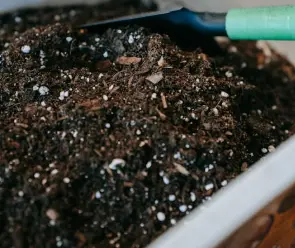

Why Perlite is Essential for Successful Gardening