Humic Granules: The Natural Soil Booster for Sustainable Agriculture
Unlocking Soil Potential with Humic Granules
Healthy soil is the foundation of successful farming. However, continuous cultivation, excessive use of chemical fertilizers, and environmental stress can gradually reduce soil fertility and productivity. This is where Humic Granules play a vital role. Derived from naturally decomposed organic matter, humic granules are rich in humic substances that improve soil health, enhance nutrient availability, and support robust plant growth.
Whether you are a farmer, gardener, or agricultural professional, incorporating humic granules into your soil management program can lead to healthier crops, better yields, and long-term sustainability.
What Are Humic Granules?
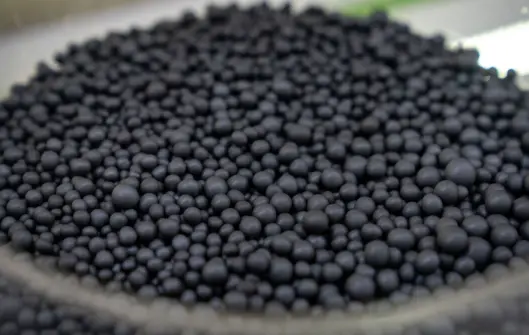
Humic granules are organic soil amendments rich in humic acid, a naturally occurring substance formed through the decomposition of plant and animal matter over thousands of years. These granules are commonly derived from natural sources such as leonardite and contain beneficial organic compounds that support soil fertility and plant development.
Unlike chemical fertilizers that primarily supply nutrients, humic granules improve the soil environment itself, allowing plants to absorb and utilize nutrients more effectively.
Why Are Humic Granules Important?
Healthy soil is the foundation of successful agriculture. Humic granules improve physical, chemical, and biological soil properties, creating ideal conditions for root growth and nutrient uptake.
They help:
- Improve soil structure
- Increase nutrient availability
- Enhance water retention
- Stimulate beneficial microorganisms
- Promote stronger root systems
Composition of Humic Granules
A high-quality humic granule product typically contains:
| Component | Benefits |
|---|---|
| Humic Acid | Improves soil fertility and nutrient retention |
| Fulvic Acid | Enhances nutrient absorption by plants |
| Organic Carbon | Supports microbial activity |
| Trace Minerals | Contributes to balanced plant nutrition |
| Natural Organic Matter | Improves soil structure and moisture retention |
How Humic Granules Work in Soil
Humic granules function as natural soil enhancers by interacting with soil particles, nutrients, microorganisms, and plant roots.
1. Improves Soil Structure
Humic substances help bind soil particles into stable aggregates, creating better soil texture. This results in:
- Improved aeration
- Better root penetration
- Reduced soil compaction
- Enhanced water infiltration
2. Increases Nutrient Availability
Many nutrients become locked in the soil and unavailable to plants. Humic granules act as natural chelating agents, helping nutrients remain available for plant uptake.
Benefits include:
- Better utilization of nitrogen, phosphorus, and potassium
- Reduced nutrient loss through leaching
- Improved fertilizer efficiency
3. Enhances Water Retention
Humic granules increase the soil's ability to retain moisture, which helps crops withstand drought conditions and reduces irrigation requirements.
4. Stimulates Beneficial Microorganisms
Healthy soils contain billions of beneficial microbes that support nutrient cycling and plant health. Humic substances provide an ideal environment for microbial growth and activity.
5. Promotes Strong Root Development
Humic granules stimulate root growth, allowing plants to:
- Absorb more nutrients
- Access deeper soil moisture
- Develop stronger resistance to stress
Key Benefits of Humic Granules
1. Improves Soil Structure
Humic granules help bind soil particles into stable aggregates, creating a loose and fertile soil structure. This improves:
- Soil aeration
- Water infiltration
- Root penetration
- Resistance to compaction
Better soil structure allows roots to spread freely and absorb nutrients efficiently.
2. Enhances Nutrient Availability
Many essential nutrients become locked in the soil and unavailable to plants. Humic acid acts as a natural chelating agent, making nutrients more accessible for plant uptake.
Benefits include:
- Improved nitrogen utilization
- Increased phosphorus availability
- Better potassium absorption
- Reduced nutrient losses through leaching
This means fertilizers work more efficiently, reducing waste and input costs.
3. Boosts Water Retention Capacity
Water scarcity is a growing concern in agriculture. Humic granules improve the soil's ability to retain moisture, helping plants withstand dry conditions.
Advantages include:
- Reduced irrigation requirements
- Better drought tolerance
- Improved moisture availability around roots
- Consistent plant growth during stress periods
4. Encourages Beneficial Microbial Activity
Healthy soils contain millions of microorganisms that break down organic matter and release nutrients. Humic granules create a favorable environment for these beneficial microbes.
As microbial activity increases:
- Nutrient cycling improves
- Soil fertility increases naturally
- Organic matter decomposition accelerates
- Root health improves
5. Promotes Stronger Root Development
A strong root system is essential for healthy crop growth. Humic granules stimulate root elongation and branching, enabling plants to:
- Access more nutrients
- Absorb water efficiently
- Resist environmental stress
- Establish quickly after planting
Healthy roots ultimately lead to healthier and more productive crops.
The Future of Sustainable Agriculture
As farmers seek environmentally responsible ways to increase productivity, humic granules are becoming an essential component of modern soil management. Their ability to improve soil health, boost nutrient efficiency, enhance root growth, and increase crop resilience makes them a valuable investment for both small-scale and commercial agriculture.
Conclusion
Humic granules are a powerful and natural tool for improving soil health and crop productivity. By enhancing soil structure, increasing nutrient availability, improving water retention, and stimulating beneficial microbial activity, they create the ideal environment for healthy plant growth.
Whether you are cultivating field crops, vegetables, fruits, or ornamental plants, humic granules can help you achieve stronger roots, healthier crops, and higher yields while supporting sustainable agricultural practices.

Why Humic Granules Are Essential for Modern Gardening