Organic Vermicompost: The Ultimate Natural Fertilizer for Healthy Soil and Thriving Plants
Introduction
Healthy plants begin with healthy soil, and one of the most effective ways to improve soil naturally is through organic vermicompost. As gardeners, farmers, and plant enthusiasts increasingly seek sustainable alternatives to chemical fertilizers, vermicompost has emerged as a trusted solution for enriching soil and promoting vigorous plant growth.
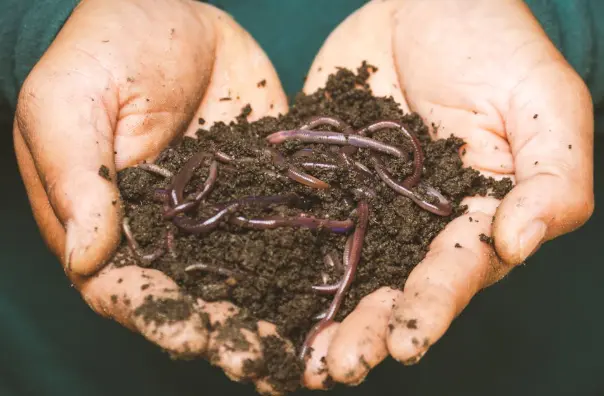
Organic vermicompost is a nutrient-rich organic fertilizer produced when earthworms break down biodegradable organic matter. The result is a dark, fine-textured material packed with essential nutrients, beneficial microorganisms, and natural growth-promoting compounds that help plants flourish. Unlike synthetic fertilizers that provide short-term nutrient boosts, vermicompost improves the overall health and fertility of the soil, creating long-lasting benefits for plants and the environment.
What is Organic Vermicompost?
Organic vermicompost is a natural soil amendment created through the decomposition of organic materials by earthworms. During this process, earthworms consume organic matter and transform it into nutrient-rich castings. These castings contain valuable plant nutrients in forms that are easily absorbed by roots.
The finished vermicompost is odorless, crumbly, and rich in organic matter. It acts as both a fertilizer and a soil conditioner, making it one of the most versatile products for gardening and agriculture.
Nutritional Value of Vermicompost
One of the primary reasons for the popularity of vermicompost is its impressive nutrient profile. It contains:
- Nitrogen (N) for healthy leaf growth
- Phosphorus (P) for strong root development
- Potassium (K) for flowering and fruit production
- Calcium and Magnesium for overall plant health
- Iron, Zinc, Copper, and other micronutrients
- Beneficial microorganisms that improve soil biology
These nutrients are released gradually, ensuring plants receive continuous nourishment over an extended period.
Benefits of Organic Vermicompost
1. Improves Soil Structure
Vermicompost increases soil porosity and aeration, allowing roots to grow deeper and stronger. It helps the soil retain moisture while ensuring proper drainage, creating the perfect environment for plant development.
2. Rich Source of Essential Nutrients
It provides plants with important nutrients such as nitrogen, phosphorus, potassium, calcium, magnesium, and micronutrients in a readily available form. This balanced nutrition supports vigorous growth and higher yields.
3. Encourages Healthy Root Development
The natural compounds present in vermicompost stimulate root growth, helping plants absorb nutrients and water more efficiently.
4. Enhances Plant Immunity
Plants grown with vermicompost often show greater resistance to pests, diseases, and environmental stress. Healthy soil leads to healthier plants.
5. Environmentally Friendly
Organic vermicompost is produced from biodegradable waste materials, reducing landfill waste and promoting sustainable agriculture. It is completely natural and safe for humans, pets, and the environment.
Economic and Environmental Advantages
Reduced Input Costs
Healthier soil often requires fewer chemical fertilizers and soil amendments over time, helping reduce production expenses.
Waste Recycling
Organic waste materials can be converted into valuable compost rather than ending up in landfills, supporting responsible waste management.
Improved Soil Sustainability
Continuous use of vermicompost enhances soil organic matter, ensuring fertility is maintained for future growing seasons.
Lower Environmental Impact
Because it is a natural product, vermicompost minimizes the risk of groundwater contamination and soil degradation associated with excessive chemical fertilizer use.
A Step Towards Sustainable Agriculture
As awareness about environmental conservation grows, organic vermicompost has become an important component of eco-friendly agriculture. By choosing natural soil amendments, gardeners and farmers can reduce chemical dependency, improve soil biodiversity, and support a healthier ecosystem.
The Future of Sustainable Agriculture
As environmental awareness grows, the demand for natural fertilizers continues to increase. Organic vermicompost represents a practical solution for modern agriculture by combining productivity with sustainability. Its ability to improve soil health, support plant growth, and reduce environmental impact makes it one of the most valuable resources available to gardeners and farmers today.
Conclusion
Organic vermicompost is much more than a fertilizer—it is a complete soil health enhancer. Rich in nutrients, beneficial microorganisms, and organic matter, it improves soil structure, boosts plant growth, increases crop productivity, and supports environmentally responsible farming practices.
Whether you are maintaining a small home garden, cultivating vegetables on a terrace, managing an orchard, or operating a commercial farm, incorporating organic vermicompost into your growing program can lead to healthier plants, more fertile soil, and a more sustainable future.

The Power of Vermicompost in Organic Gardening