Kokedama: The Japanese Art of Growing Plants in Moss Balls
In the world of ornamental gardening, few techniques combine simplicity, creativity, and natural beauty as elegantly as Kokedama. Originating in Japan, Kokedama is a unique gardening art form where plants are grown in a ball of soil wrapped with lush green moss instead of being planted in conventional pots. The result is a stunning living sculpture that brings nature closer to everyday living spaces.
Over the years, Kokedama has gained worldwide popularity among plant enthusiasts, interior decorators, and gardening hobbyists because of its minimalist appearance and versatility. Whether displayed on a decorative tray, suspended from the ceiling, or arranged in a group, Kokedama adds a refreshing touch of greenery and artistic charm to homes, offices, balconies, and indoor gardens.
What Is Kokedama?
The term Kokedama comes from two Japanese words:
- Koke – Moss
- Dama – Ball
Together, they mean "Moss Ball."
Kokedama is a traditional Japanese planting method that evolved from the ancient Bonsai and Nearai gardening styles. Instead of using ceramic or plastic pots, the roots of a plant are enclosed within a specially prepared soil ball, which is then covered with moss and secured using string or twine.
The moss-covered sphere serves as both a growing medium and a decorative feature, creating a natural and artistic presentation that highlights the beauty of the plant itself.
The History and Origin of Kokedama
Kokedama has its roots in Japanese horticultural traditions that date back several centuries. It is believed to have evolved from Nearai Bonsai, a style where plants were removed from their containers and displayed with exposed roots and soil.
Japanese gardeners sought a more natural and aesthetically pleasing way to showcase plants, leading to the development of Kokedama. The technique emphasizes harmony between plants, soil, moss, and surrounding spaces while reflecting the Japanese philosophy of simplicity, balance, and appreciation of nature.
Today, Kokedama is practiced worldwide as a creative gardening technique and decorative art form.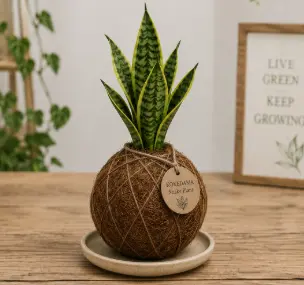
Why Kokedama Is So Popular
The popularity of Kokedama continues to grow among gardening enthusiasts, interior designers, and plant lovers because it combines natural beauty with practicality. Unlike traditional potted plants, Kokedama transforms greenery into a living piece of art that can be displayed in countless creative ways. Its minimalist appearance, low environmental impact, and calming nature make it an excellent choice for modern lifestyles.
Natural Elegance
One of the most appealing aspects of Kokedama is its natural and sophisticated appearance. The moss-covered ball creates a soft, organic look that highlights the beauty of the plant without the distraction of decorative pots. Its simple yet artistic design reflects the Japanese philosophy of appreciating nature in its purest form.
Kokedama blends effortlessly with various interior styles, including modern, rustic, Scandinavian, minimalist, and traditional décor. Whether placed on a wooden shelf, coffee table, office desk, or hanging from the ceiling, it adds a refreshing touch of greenery and creates a peaceful atmosphere. The combination of vibrant foliage and lush moss makes every Kokedama arrangement a unique decorative feature that enhances the visual appeal of any space.
Space-Saving Design
Traditional plant containers can occupy significant floor and shelf space, especially in apartments and compact homes. Kokedama eliminates the need for bulky pots, making it an ideal solution for small living spaces.
Its compact structure allows it to be displayed on narrow shelves, windowsills, desks, countertops, and wall-mounted holders. Hanging Kokedama gardens are particularly useful for maximizing vertical space while adding a dramatic visual effect. This flexibility enables plant lovers to enjoy greenery even in areas with limited room.
Creative Display Options
Kokedama offers endless possibilities for creative presentation. Unlike conventional potted plants that are restricted to containers, Kokedama can be displayed in numerous artistic ways.
It can be placed on decorative ceramic trays, wooden platforms, stone slabs, or glass bowls to create elegant tabletop displays. Multiple Kokedama arrangements can be grouped together to form miniature indoor gardens. Hanging Kokedama, often referred to as "string gardens," create the illusion of floating plants and serve as eye-catching decorative elements. This versatility allows homeowners and designers to experiment with unique arrangements that complement different spaces and themes.
Environmentally Friendly
As environmental awareness continues to grow, many people are seeking sustainable gardening alternatives. Kokedama supports eco-friendly living by reducing the need for plastic, ceramic, and synthetic plant containers.
The materials used in Kokedama, including moss, soil, natural fibers, and organic growing mediums, are largely biodegradable and environmentally responsible. By embracing natural materials and minimizing waste, Kokedama promotes a greener approach to indoor gardening while encouraging a closer connection with nature.
Stress Relief and Mindfulness
Creating and maintaining Kokedama can be a deeply relaxing and therapeutic experience. The process of shaping the soil, wrapping it with moss, and caring for the living plant encourages focus and creativity. Many people find the activity calming because it allows them to slow down and engage with nature.
Regular care routines such as watering, misting, and observing plant growth help reduce stress and promote mindfulness. The presence of greenery indoors has also been associated with improved mood, increased productivity, and a greater sense of well-being. Kokedama serves as both a decorative feature and a source of daily relaxation.
Benefits of Growing Plants in Kokedama
Growing plants in Kokedama offers several advantages beyond its decorative appeal. The technique supports healthy plant growth while creating a unique gardening experience.
Enhanced Aesthetic Appeal
Kokedama transforms ordinary houseplants into artistic living sculptures. The spherical moss ball acts as a natural frame that draws attention to the plant's shape, color, and texture. Whether displayed individually or as part of a collection, Kokedama instantly becomes a focal point within a room.
Its handcrafted appearance adds character and elegance to indoor spaces, making it popular among homeowners, decorators, and commercial establishments seeking distinctive greenery displays.
Better Use of Small Spaces
For individuals living in apartments, studios, or compact homes, space management is often a challenge. Kokedama provides an efficient way to incorporate plants without requiring large containers or floor space.
Its small footprint allows plants to be placed in areas that would otherwise remain unused. Hanging displays, wall-mounted arrangements, and tabletop designs make it possible to introduce greenery into even the smallest environments while maintaining a clean and uncluttered appearance.
Improved Indoor Environment
Many plants commonly grown in Kokedama contribute to a healthier indoor atmosphere. Through natural biological processes, plants absorb carbon dioxide and release oxygen, helping refresh indoor air.
The moss surrounding the root ball also retains moisture and gradually releases humidity into the surrounding environment. This can help reduce dryness indoors, especially in air-conditioned or heated spaces. The result is a more comfortable and inviting living environment with a closer connection to nature.
Encourages Plant Care Awareness
Unlike traditional potted plants that may be overlooked for long periods, Kokedama requires regular observation and maintenance. Gardeners become more aware of their plant's moisture needs, growth patterns, and overall health.
This increased attention encourages responsible plant care and helps individuals develop a deeper understanding of plant behavior. Over time, caring for Kokedama can improve gardening skills and strengthen appreciation for living plants.
Unique Gift Option
Kokedama makes an exceptional gift because it combines creativity, beauty, and functionality. Its handcrafted appearance gives it a personal and thoughtful touch that stands out from ordinary potted plants.
Whether given as a housewarming gift, birthday present, anniversary surprise, or corporate gift, Kokedama offers lasting value and visual appeal. The recipient receives not only a decorative item but also a living plant that can be enjoyed and nurtured for years.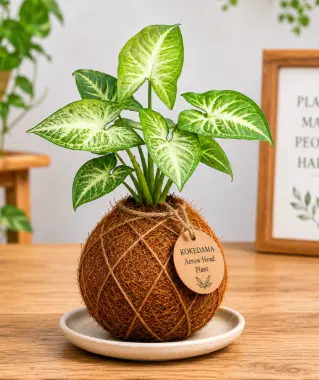
Best Plants for Kokedama
Not all plants are equally suitable for Kokedama. Plants with compact root systems, moderate growth rates, and adaptability to indoor conditions generally perform best. Choosing the right plant helps ensure long-term health and easier maintenance.
Pothos (Epipremnum aureum)
Pothos is one of the most popular plants for Kokedama due to its resilience and attractive trailing vines. It tolerates a wide range of light conditions and requires minimal care, making it perfect for beginners. Its cascading foliage creates a beautiful effect in hanging Kokedama displays.
Spider Plant (Chlorophytum comosum)
Spider plants are highly adaptable and easy to maintain. Their arching green-and-white leaves provide visual interest, while their ability to produce baby plantlets adds charm to Kokedama arrangements. They are also known for their air-purifying qualities.
Peace Lily (Spathiphyllum)
Peace lilies are admired for their elegant white flowers and glossy green foliage. They thrive in indirect light and enjoy the moisture-retentive environment provided by Kokedama. Their graceful appearance makes them ideal for decorative indoor displays.
Ferns
Ferns are excellent choices because they naturally thrive in humid environments. Their delicate, feathery foliage creates a lush and vibrant appearance that complements the moss-covered base. Boston Ferns, Maidenhair Ferns, and Bird's Nest Ferns are particularly popular varieties.
Philodendron
Philodendrons are valued for their adaptability and diverse leaf shapes. They grow well in indoor conditions and require relatively little maintenance. Their attractive foliage makes them suitable for both tabletop and hanging Kokedama arrangements.
Syngonium
Also known as the Arrowhead Plant, Syngonium features striking foliage in various shades of green, cream, pink, and white. Its compact growth habit and tolerance of indoor environments make it a favorite choice for decorative Kokedama creations.
Fittonia (Nerve Plant)
Fittonia is prized for its colorful leaf veins that create beautiful patterns in shades of white, pink, and red. Because it prefers consistent moisture and moderate humidity, it adapts particularly well to Kokedama cultivation.
Lucky Bamboo
Lucky Bamboo adds elegance and symbolic meaning to indoor spaces. Associated with prosperity, harmony, and good fortune in many cultures, it provides a clean and sophisticated look when incorporated into Kokedama designs.
English Ivy
English Ivy is an excellent option for hanging Kokedama because of its cascading growth habit. Its trailing stems create a dramatic waterfall effect that enhances the visual appeal of suspended displays.
Small Ornamental Grasses
Compact ornamental grasses introduce texture, movement, and a natural landscape-like appearance. Their fine foliage contrasts beautifully with the smooth moss ball, creating a balanced and visually interesting arrangement.
Watering Kokedama Properly
Watering is one of the most important aspects of Kokedama care.
Soaking Method
The preferred method involves:
- Filling a bowl with room-temperature water.
- Submerging the moss ball completely.
- Allowing air bubbles to stop rising.
- Removing the ball and gently squeezing excess water.
- Letting it drain thoroughly before returning it to display.
Watering Frequency
Frequency depends on:
- Plant type
- Temperature
- Humidity
- Air circulation
- Light exposure
Most indoor Kokedama require watering every few days, while moisture-loving plants may need more frequent watering.
Light Requirements
Different plants have different light needs, but most Kokedama plants perform best under:
Bright Indirect Light
Provides sufficient energy without causing excessive moisture loss.
Filtered Sunlight
Ideal for many foliage plants.
Avoid Harsh Direct Sunlight
Strong sunlight can dry out the moss quickly and damage sensitive leaves.
Kokedama in Modern Interior Design
Interior designers increasingly use Kokedama because it:
- Adds natural texture
- Softens modern architectural lines
- Enhances biophilic design concepts
- Creates visual focal points
- Complements minimalist décor
Its sculptural appearance makes it suitable for homes, restaurants, hotels, offices, and commercial spaces.
Conclusion
Kokedama is far more than a planting technique—it is a beautiful fusion of gardening, art, and nature. With its moss-covered soil sphere, minimalist elegance, and creative display possibilities, Kokedama transforms ordinary plants into living works of art. Whether placed on a tabletop, displayed on a decorative tray, or suspended as a floating garden, Kokedama brings tranquility, freshness, and natural beauty into any environment.
For gardeners, plant enthusiasts, and interior décor lovers alike, Kokedama offers a rewarding and visually captivating way to celebrate the beauty of plants while embracing a timeless Japanese horticultural tradition. By providing proper watering, light, and occasional feeding, a well-maintained Kokedama can thrive for years, becoming a unique centerpiece that reflects both creativity and a deep appreciation for nature.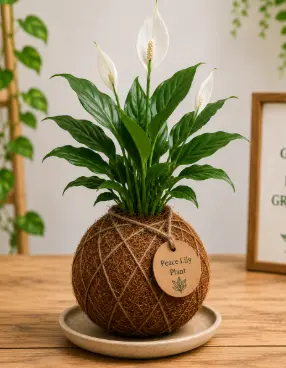

Kokedama: The Japanese Art of Growing Plants Without Pots