Indoor Plants: Bringing Nature Indoors for a Healthier and Happier Home
Indoor plants are one of the easiest and most effective ways to add beauty, freshness, and life to any living space. Whether you have a spacious home, a compact apartment, or an office desk, indoor plants can transform the environment by improving aesthetics, creating a calming atmosphere, and connecting you with nature.
What Are Indoor Plants?
Indoor plants are varieties of plants that can thrive and grow inside homes, offices, and other enclosed spaces. These plants are specially adapted to lower light conditions and controlled indoor environments. They come in a wide range of sizes, shapes, and colors, making them suitable for every décor style.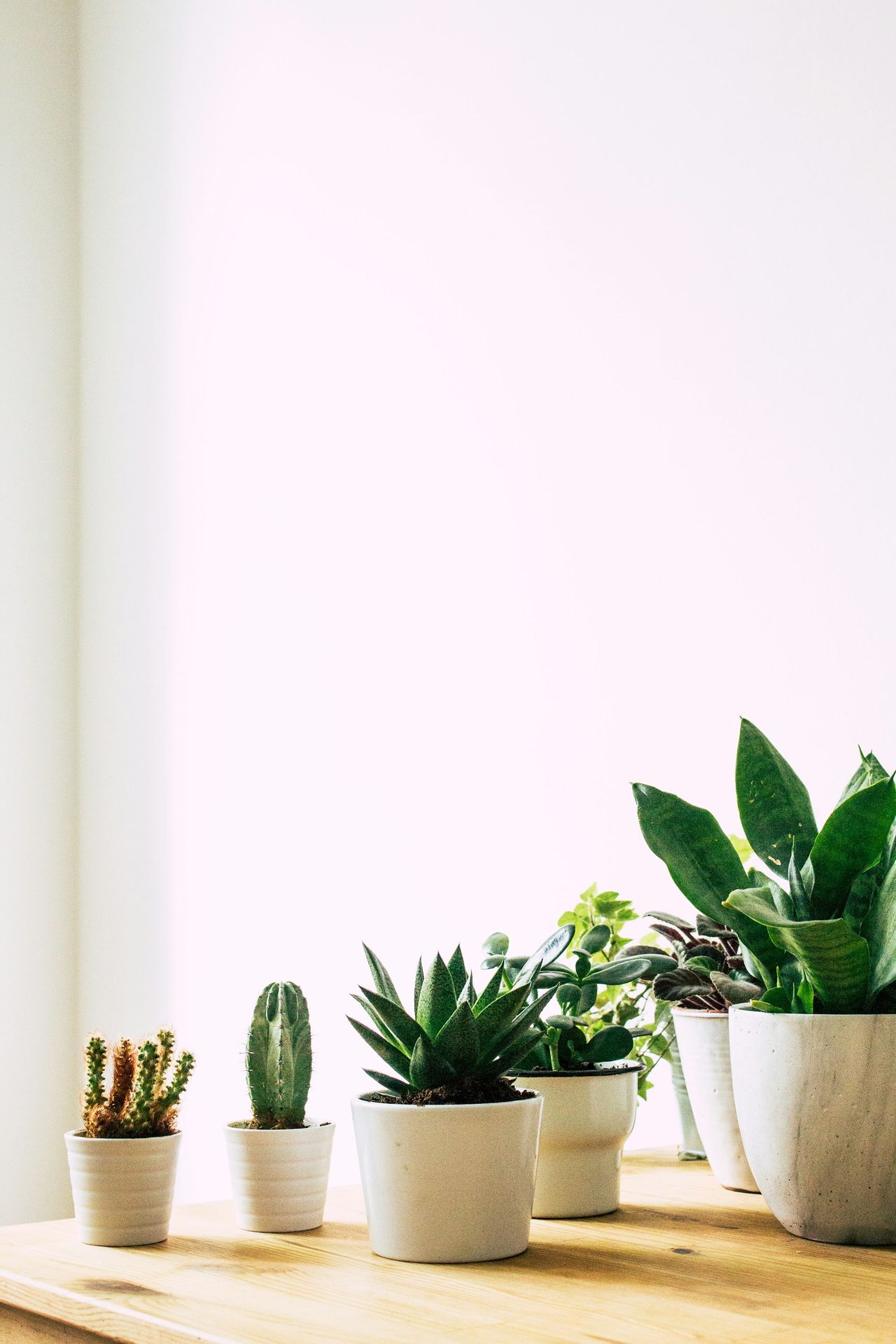
Benefits of Indoor Plants
1. Improve Indoor Air Quality
Indoor environments often contain airborne pollutants released from furniture, paints, cleaning products, and electronic devices. Many indoor plants help improve air quality by absorbing carbon dioxide and releasing oxygen. Certain plants can also assist in reducing airborne toxins and dust particles, creating a fresher indoor atmosphere.
Air-Purifying Plants Include:
- Snake Plant
- Peace Lily
- Spider Plant
- Snake Plant
- Areca Palm
- Rubber Plant
- Boston Fern
2. Reduce Stress and Promote Relaxation
Studies have shown that interacting with plants can reduce stress levels and create feelings of calmness and relaxation. The presence of greenery indoors contributes to a peaceful environment, helping people feel more connected to nature even when spending most of their time indoors.
Benefits include:
- Reduced anxiety
- Improved mood
- Better emotional well-being
- Enhanced relaxation after work or study
3. Increase Humidity Naturally
Indoor air can become dry due to air conditioners, heaters, and seasonal weather changes. Plants release moisture through transpiration, naturally increasing humidity levels around them.
This can help:
- Reduce dry skin
- Ease respiratory discomfort
- Prevent dry eyes
- Improve overall indoor comfort
4. Enhance Home Aesthetics
Indoor plants instantly elevate the appearance of any room. Their natural colors and textures complement various interior design styles, including:
- Modern interiors
- Minimalist décor
- Bohemian themes
- Contemporary homes
- Traditional living spaces
Large statement plants can become focal points, while smaller plants add charm to shelves, desks, and windowsills.
5. Improve Productivity and Concentration
Research suggests that indoor plants may improve focus, creativity, and productivity. Workspaces with greenery often feel more inviting and comfortable, helping employees and students stay motivated and engaged.
Popular Indoor Plants for Homes
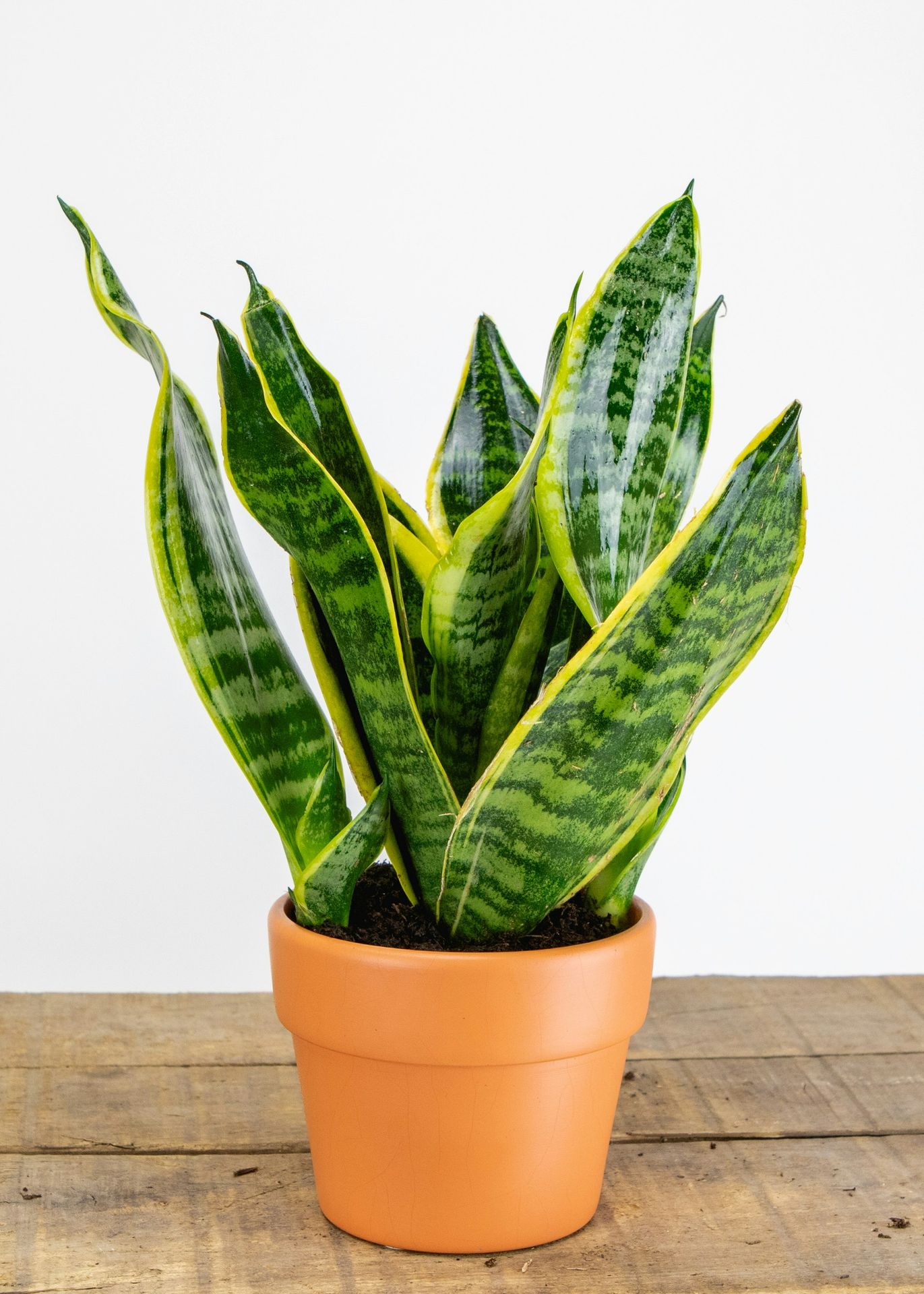
Snake Plant (Dracaena trifasciata)
Snake Plant is one of the most beginner-friendly indoor plants. It features upright sword-shaped leaves and thrives in low-light conditions.
Advantages:
- Requires minimal watering
- Tolerates neglect
- Excellent air purifier
-
Suitable for bedrooms and offices
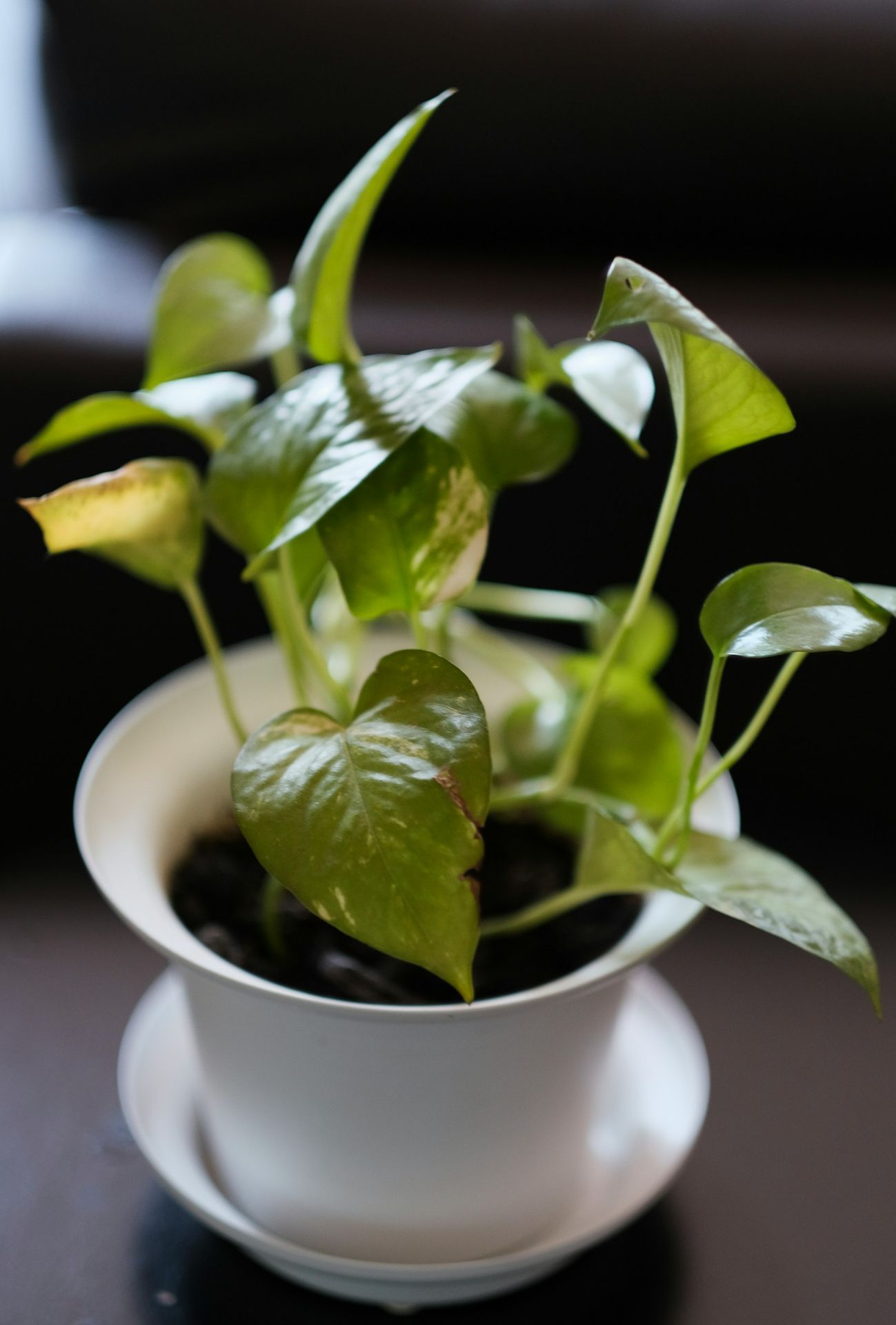
Money Plant (Pothos)
Money Plant is a fast-growing vine known for its attractive heart-shaped leaves and adaptability.
Benefits:
- Easy to maintain
- Can grow in soil or water
- Excellent for hanging baskets
-
Adds lush greenery indoors
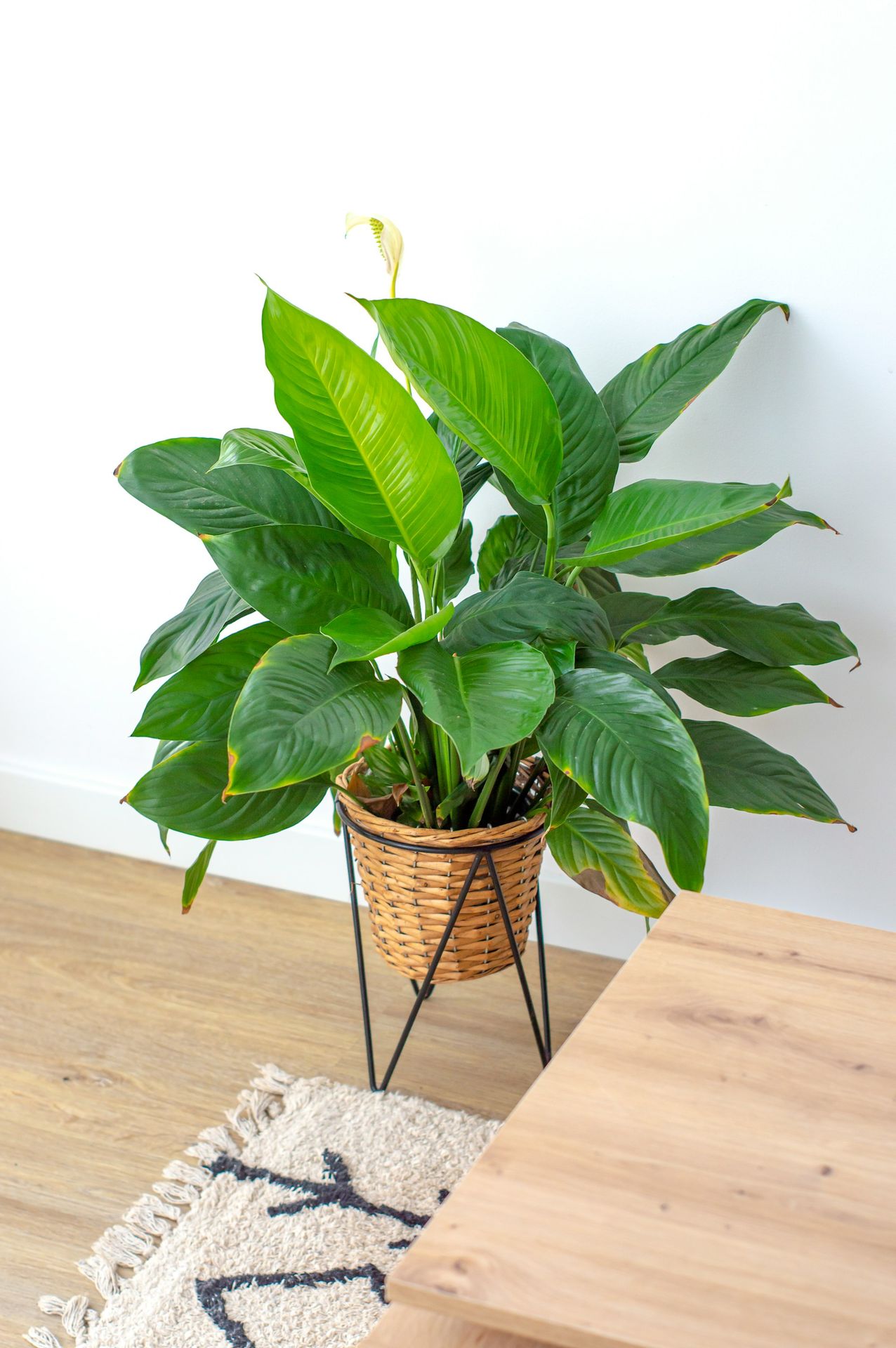
Peace Lily
Peace Lily is admired for its glossy green foliage and elegant white flowers.
Features:
- Beautiful blooms
- Air-purifying qualities
- Thrives in indirect light
-
Moderate maintenance requirements
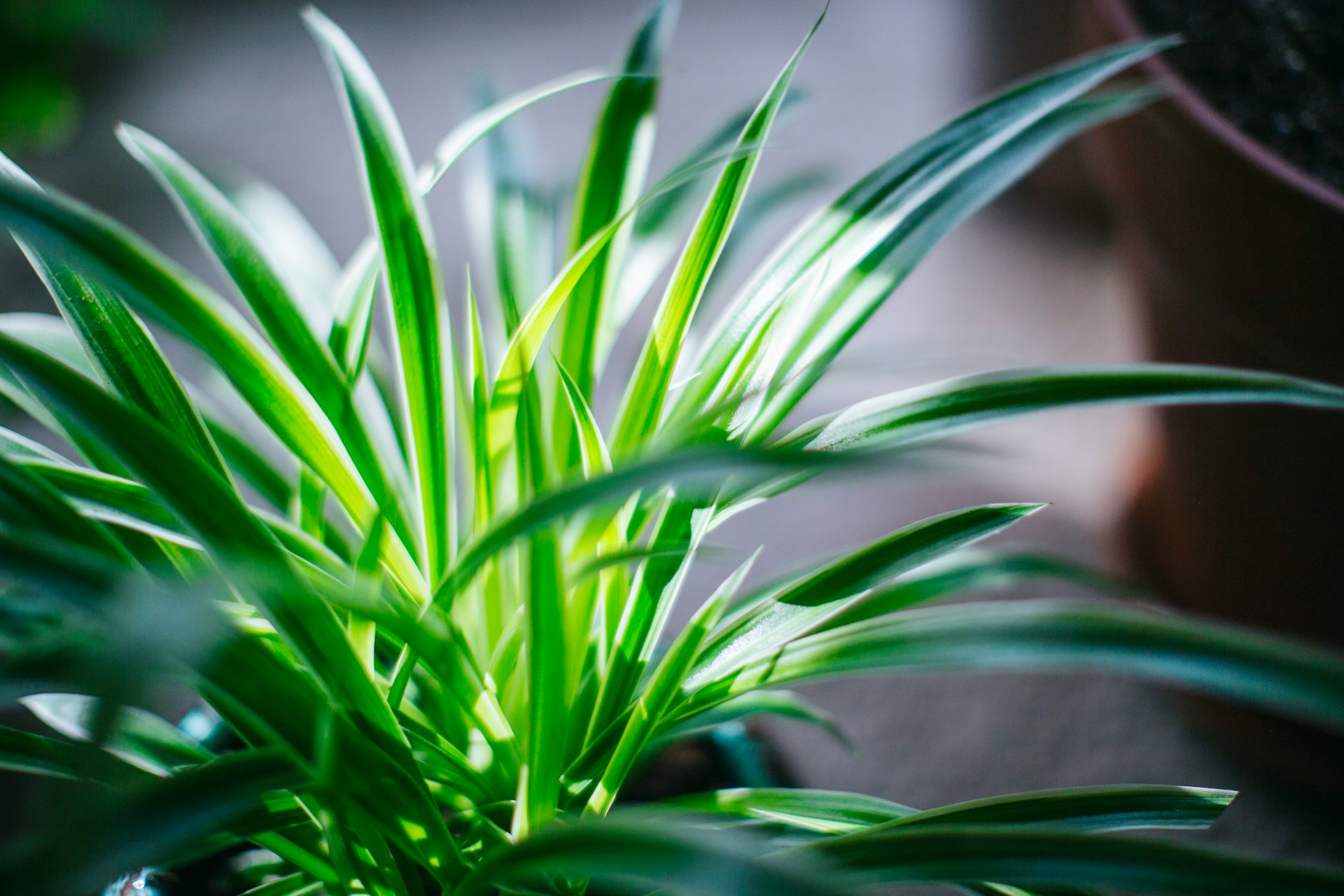
Spider Plant
Spider Plant produces long arching leaves and small baby plantlets.
Advantages:
- Fast-growing
- Pet-friendly
- Improves indoor air quality
-
Easy propagation
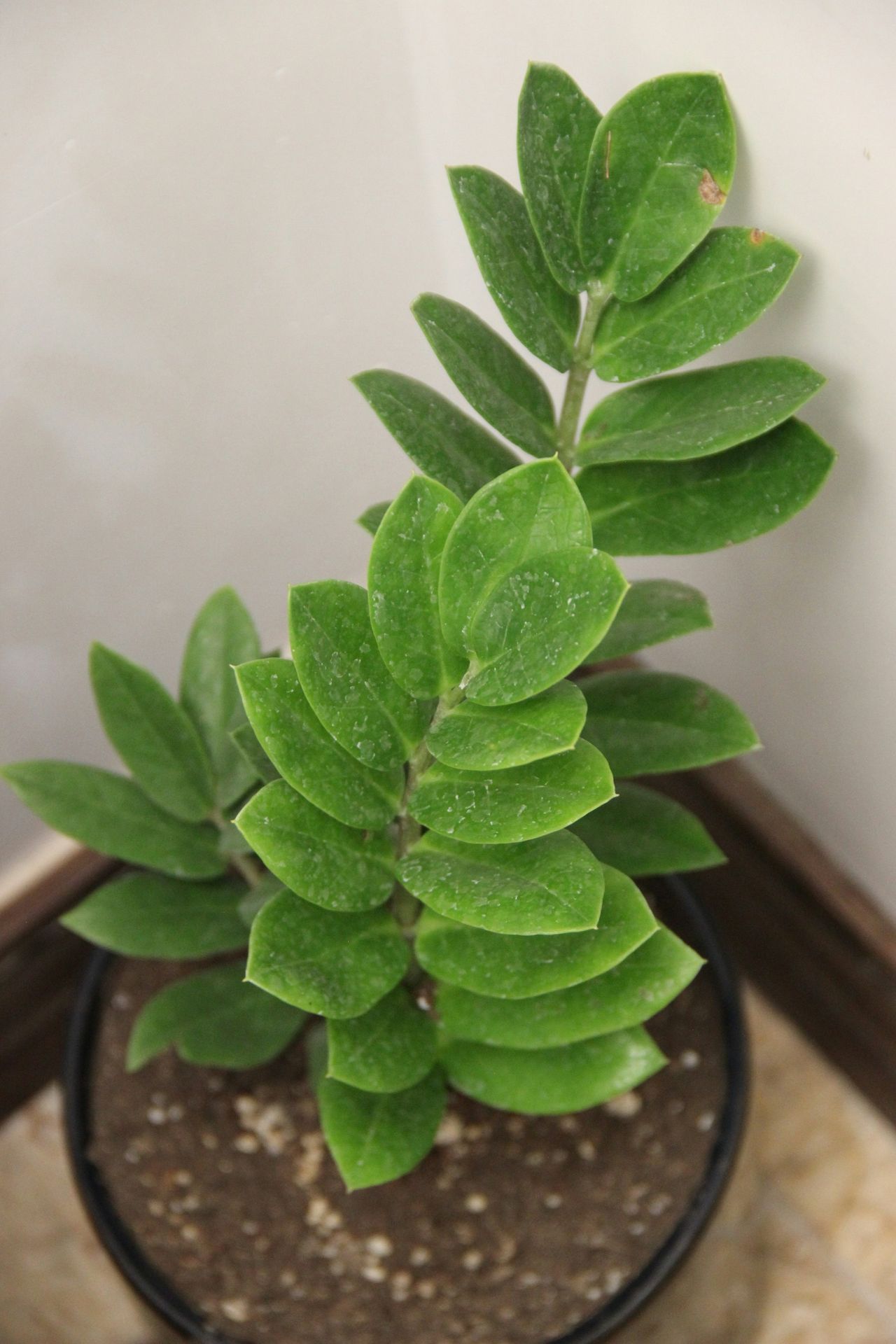
ZZ Plant
ZZ Plant is highly resilient and ideal for busy plant owners.
Benefits:
- Drought tolerant
- Thrives in low light
- Attractive glossy leaves
-
Requires little maintenance
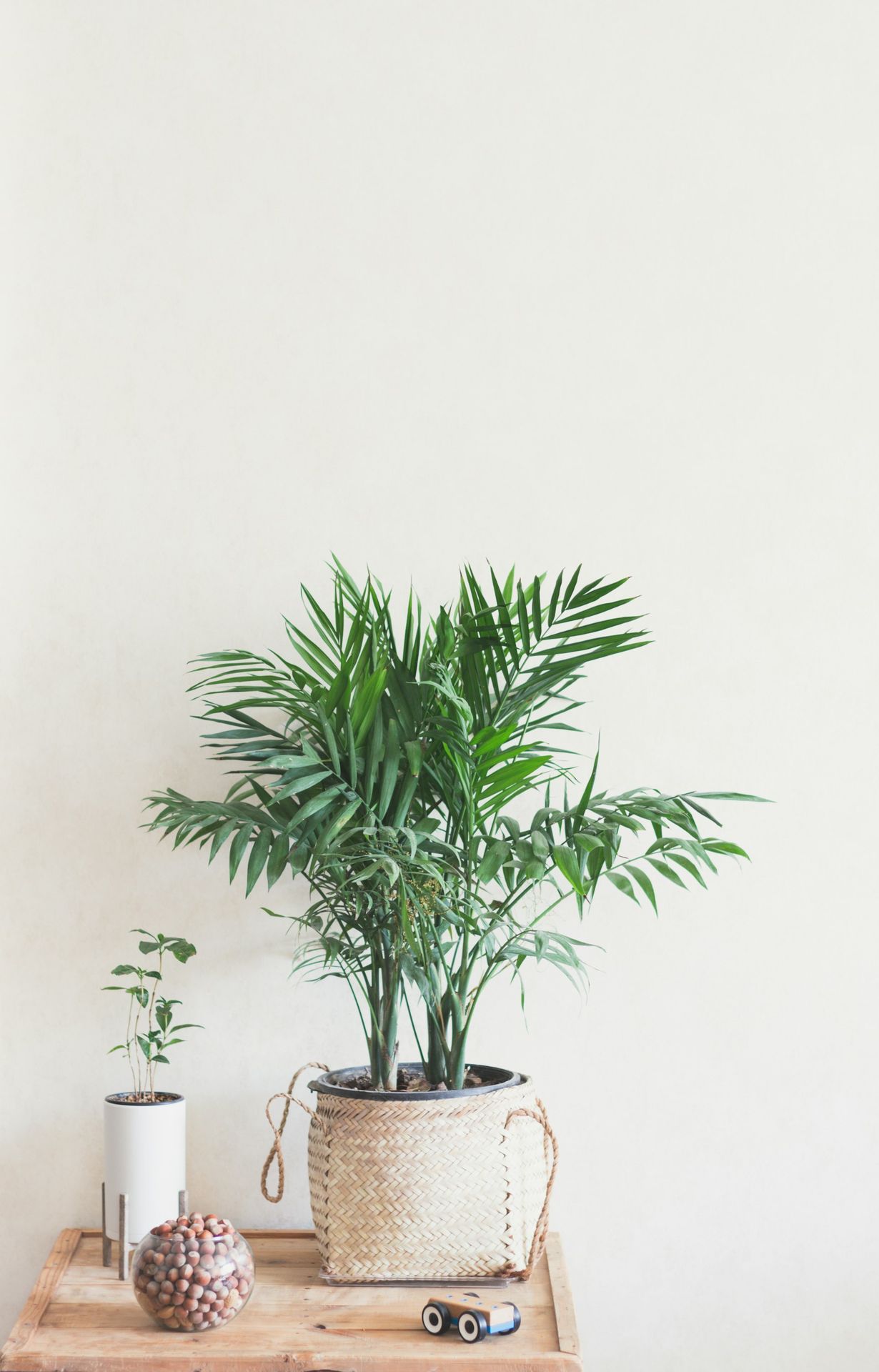
Areca Palm
Areca Palm brings a tropical appearance to indoor spaces.
Features:
- Elegant feathery fronds
- Natural humidifier
- Excellent decorative plant
-
Suitable for larger rooms
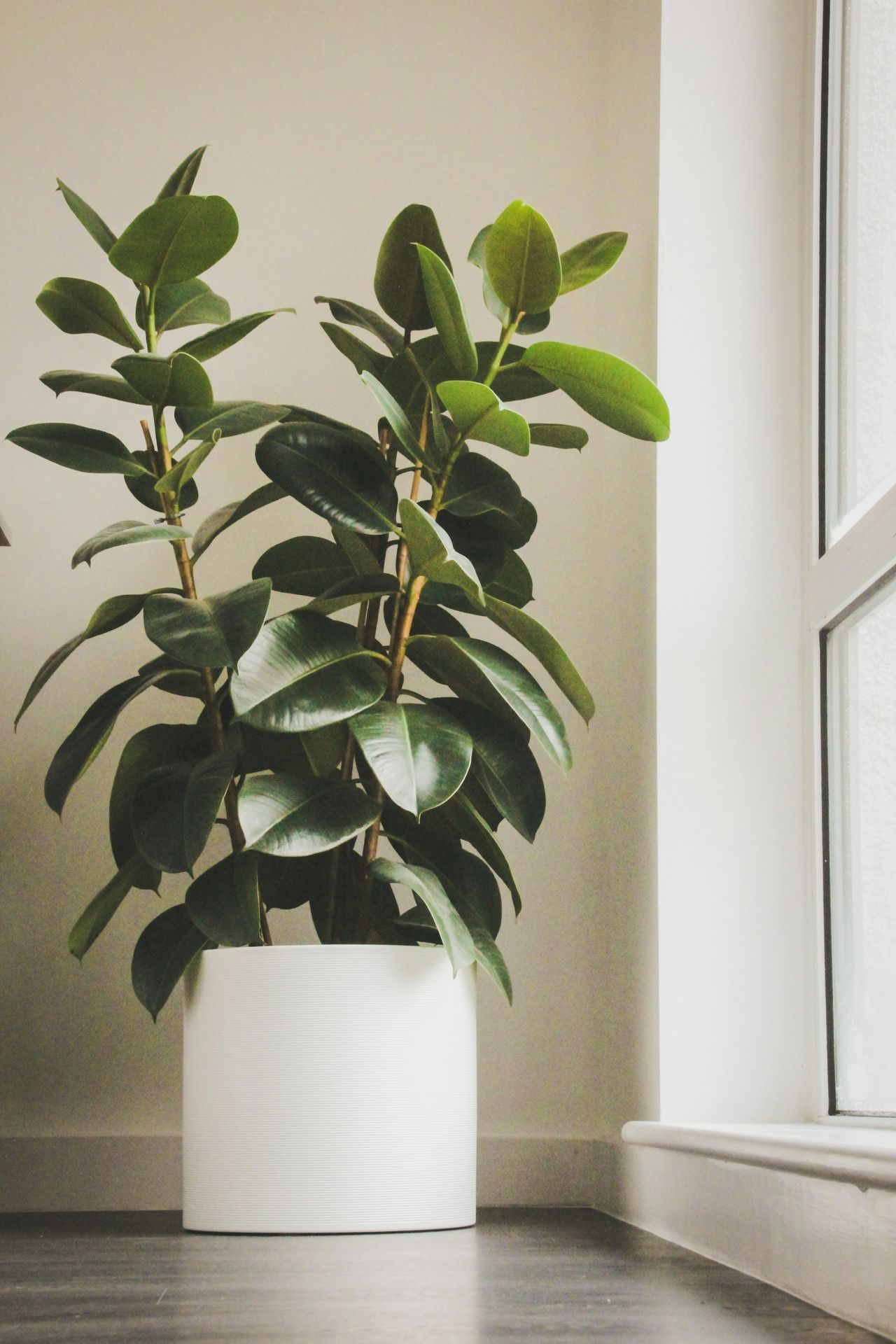
Rubber Plant
Rubber Plant is known for its large glossy leaves and bold appearance.
Benefits:
- Attractive foliage
- Easy maintenance
- Effective air purification
-
Adaptable to indoor conditions
Essential Requirements for Healthy Indoor Plants
Light
Light is one of the most important factors affecting plant growth.
Low-Light Plants
- Snake Plant
- ZZ Plant
- Cast Iron Plant
Medium-Light Plants
- Peace Lily
- Spider Plant
- Money Plant
Bright Indirect Light Plants
- Rubber Plant
- Fiddle Leaf Fig
- Monstera
Avoid placing sensitive plants in direct afternoon sunlight, which may scorch leaves.
Watering
Overwatering is the leading cause of indoor plant problems.
Watering Tips:
- Check soil moisture before watering
- Water thoroughly but infrequently
- Ensure proper drainage
- Empty excess water from trays
- Adjust watering frequency according to season
Generally, indoor plants require less water during winter than during active growing periods.
Temperature
Most indoor plants thrive in temperatures between 18°C and 28°C.
Avoid:
- Extreme heat
- Cold drafts
- Sudden temperature fluctuations
- Placement near heaters or air conditioners
Humidity
Tropical plants prefer higher humidity levels.
Methods to increase humidity:
- Mist leaves occasionally
- Use pebble trays
- Group plants together
- Install a room humidifier
Soil and Potting Mix
A quality potting mix supports healthy root growth and proper drainage.
An ideal indoor plant mix typically contains:
- Cocopeat
- Compost
- Perlite
- Vermiculite
- Organic matter
Well-draining soil prevents root rot and improves aeration.
Fertilizing Indoor Plants
Although indoor plants grow more slowly than outdoor plants, they still require nutrients.
Recommended Fertilizers:
- Vermicompost
- Humic Acid
- Humic Granules
- Seaweed Extract
- Organic Compost
- Balanced Liquid Fertilizers
Feed plants every 4–6 weeks during active growth seasons for optimal results.
Conclusion
Indoor plants are a wonderful way to bring nature closer to everyday life. They beautify living spaces, improve indoor air quality, reduce stress, and create a healthier environment for families and workplaces alike. With proper lighting, watering, nutrition, and care, indoor plants can thrive for years, rewarding you with lush greenery and natural elegance. Whether you are a beginner looking for a low-maintenance Snake Plant or a passionate plant enthusiast building an indoor jungle, incorporating indoor plants into your home is a rewarding and enriching experience that benefits both your surroundings and your well-being.

Discover the Benefits of Growing Indoor Plants