Outdoor Plants: Bringing Life, Beauty, and Freshness to Your Outdoor Spaces
Introduction
Outdoor plants are an essential part of every garden, balcony, terrace, courtyard, and landscape. They not only enhance the beauty of outdoor spaces but also create a healthier environment by improving air quality, reducing heat, attracting pollinators, and promoting biodiversity. Whether you have a spacious garden or a small patio, outdoor plants can transform any area into a vibrant and relaxing green sanctuary.
From colorful flowering plants and ornamental shrubs to shade-giving trees and hardy succulents, outdoor plants come in countless varieties suited to different climates and gardening styles. With proper selection and care, they can thrive for years while adding visual appeal and ecological value to your surroundings.
What Are Outdoor Plants?
Outdoor plants are species that naturally grow and thrive in open-air environments. Unlike indoor plants, they are adapted to receive direct sunlight, natural rainfall, wind, and seasonal temperature variations. These plants are generally stronger and more resilient, making them suitable for gardens, landscapes, courtyards, terraces, and other outdoor settings.
Outdoor plants range from small annual flowers to large shade trees and can be categorized based on their growth habits, life cycles, and ornamental features.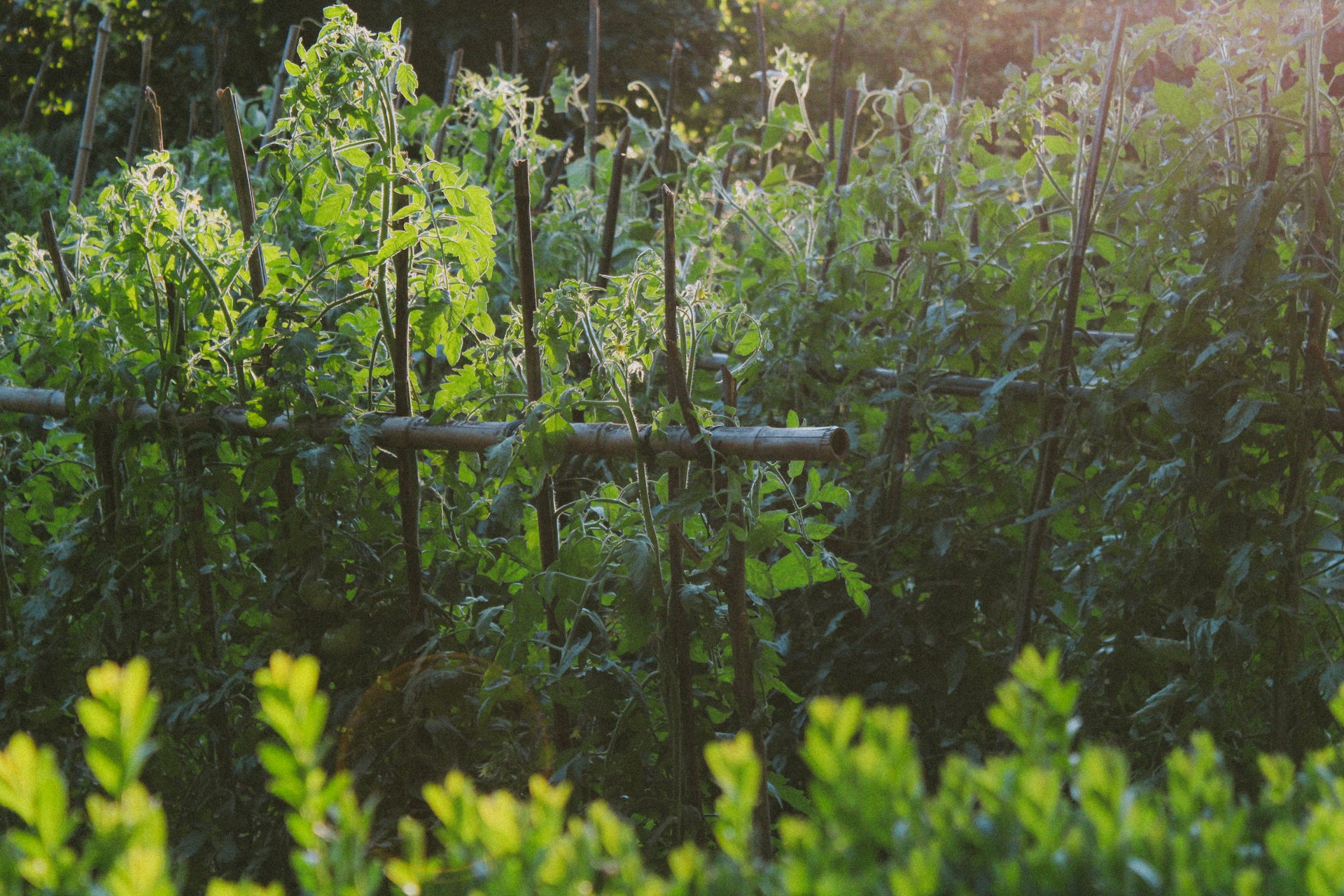
Importance of Outdoor Plants
Outdoor plants offer numerous benefits beyond aesthetics. They contribute significantly to environmental sustainability and human well-being.
Environmental Benefits
Plants absorb carbon dioxide and release oxygen through photosynthesis, helping improve air quality. They also trap dust particles, reduce pollution levels, and contribute to a healthier ecosystem.
Climate Regulation
Trees and shrubs provide shade, reducing surrounding temperatures and helping combat urban heat. Well-planted landscapes can lower energy consumption by naturally cooling homes and buildings.
Biodiversity Support
Flowering outdoor plants attract bees, butterflies, birds, and beneficial insects that aid pollination and maintain ecological balance.
Mental and Physical Health
Spending time around greenery can reduce stress, improve mood, increase productivity, and promote relaxation. Gardening itself is a healthy physical activity that enhances overall well-being.
Property Enhancement
A well-maintained garden significantly improves curb appeal and increases property value by creating an inviting and attractive environment.
Essential Care Tips for Outdoor Plants
Provide Adequate Sunlight
Different plants have different sunlight requirements. Most flowering plants require 6–8 hours of direct sunlight daily, while some foliage plants prefer partial shade.
Water Properly
Water deeply and consistently, especially during hot weather. Avoid overwatering, as excessive moisture can lead to root diseases.
Use Quality Soil
Healthy soil rich in organic matter promotes strong root development and vigorous plant growth.
Apply Organic Fertilizers
Organic fertilizers such as compost, vermicompost, bone meal, neem cake, and humic substances improve soil fertility and plant health naturally.
Mulch Around Plants
Mulching helps conserve moisture, regulate soil temperature, suppress weeds, and improve soil structure.
Prune Regularly
Remove dead branches, faded flowers, and damaged foliage to encourage healthy growth and maintain an attractive appearance.
Monitor Pests and Diseases
Inspect plants regularly for signs of pests and fungal infections. Natural remedies like neem oil can help manage many common garden pests.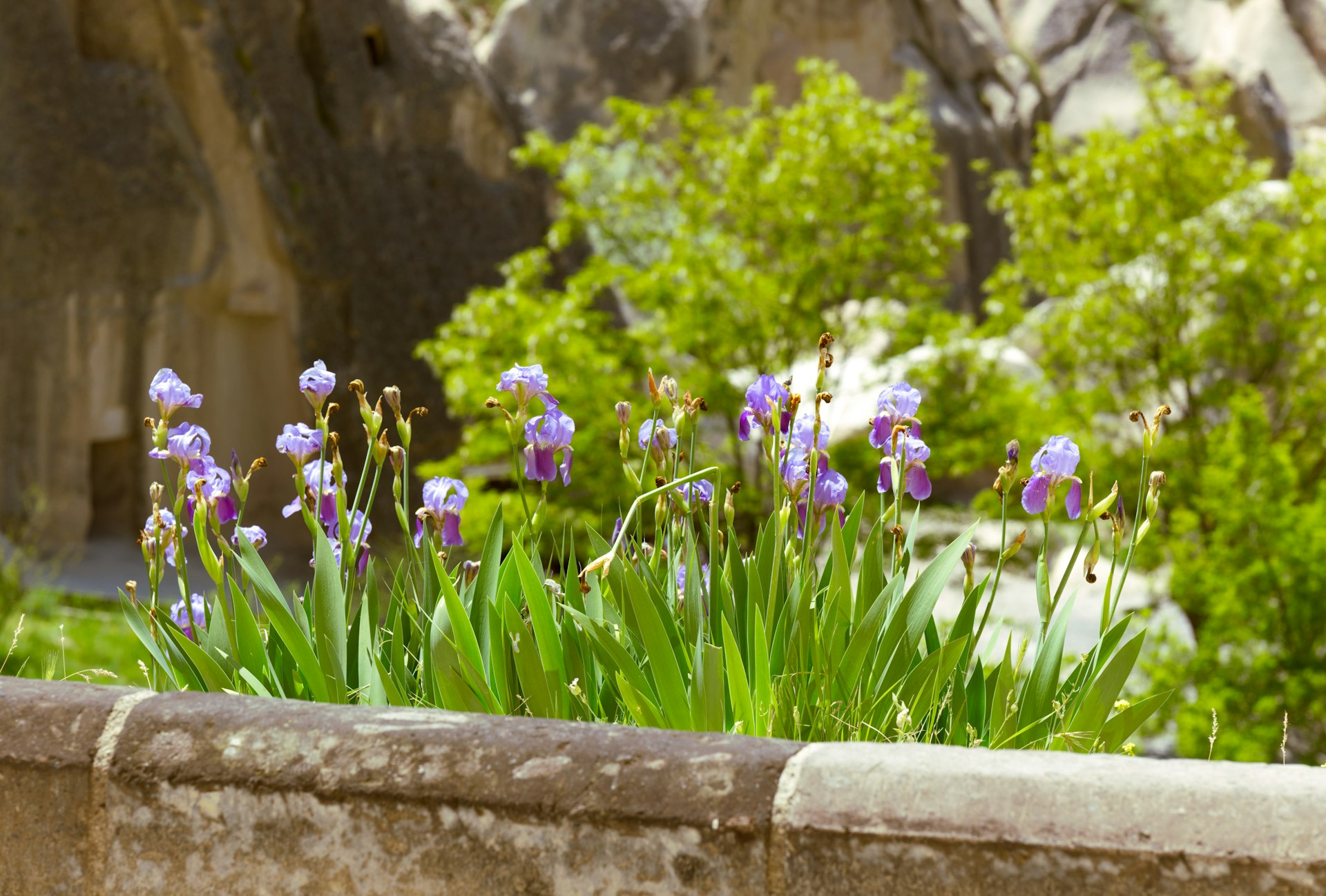
Common Challenges in Growing Outdoor Plants
Excessive Heat
Use mulch and proper watering schedules to protect plants during extreme summer temperatures.
Heavy Rainfall
Ensure good drainage to prevent waterlogging and root rot.
Pest Infestations
Aphids, mealybugs, caterpillars, and spider mites can damage plants. Regular inspection and organic pest control measures are important.
Poor Soil Quality
Improve soil fertility with compost, cocopeat, vermicompost, and organic soil conditioners.
Strong Winds
Support young plants with stakes and choose wind-tolerant species for exposed locations.
Sustainable Gardening Practices
Creating an eco-friendly outdoor garden benefits both plants and the environment.
Recommended practices include:
- Composting kitchen and garden waste
- Using rainwater harvesting systems
- Applying organic fertilizers
- Reducing chemical pesticide use
- Planting native species
- Encouraging pollinator-friendly gardens
These methods help maintain healthy soil and support long-term garden sustainability.
Conclusion
Outdoor plants are one of the most effective ways to enhance the beauty, comfort, and environmental value of any outdoor space. Whether you grow vibrant flowering plants, ornamental foliage, shrubs, trees, or drought-tolerant succulents, outdoor gardening provides countless rewards. With proper care, suitable plant selection, and sustainable gardening practices, you can create a thriving green landscape that offers beauty, shade, fresh air, and enjoyment throughout the year.
A well-planned outdoor garden is more than just decoration—it is a living ecosystem that enriches your surroundings and connects you with nature every day.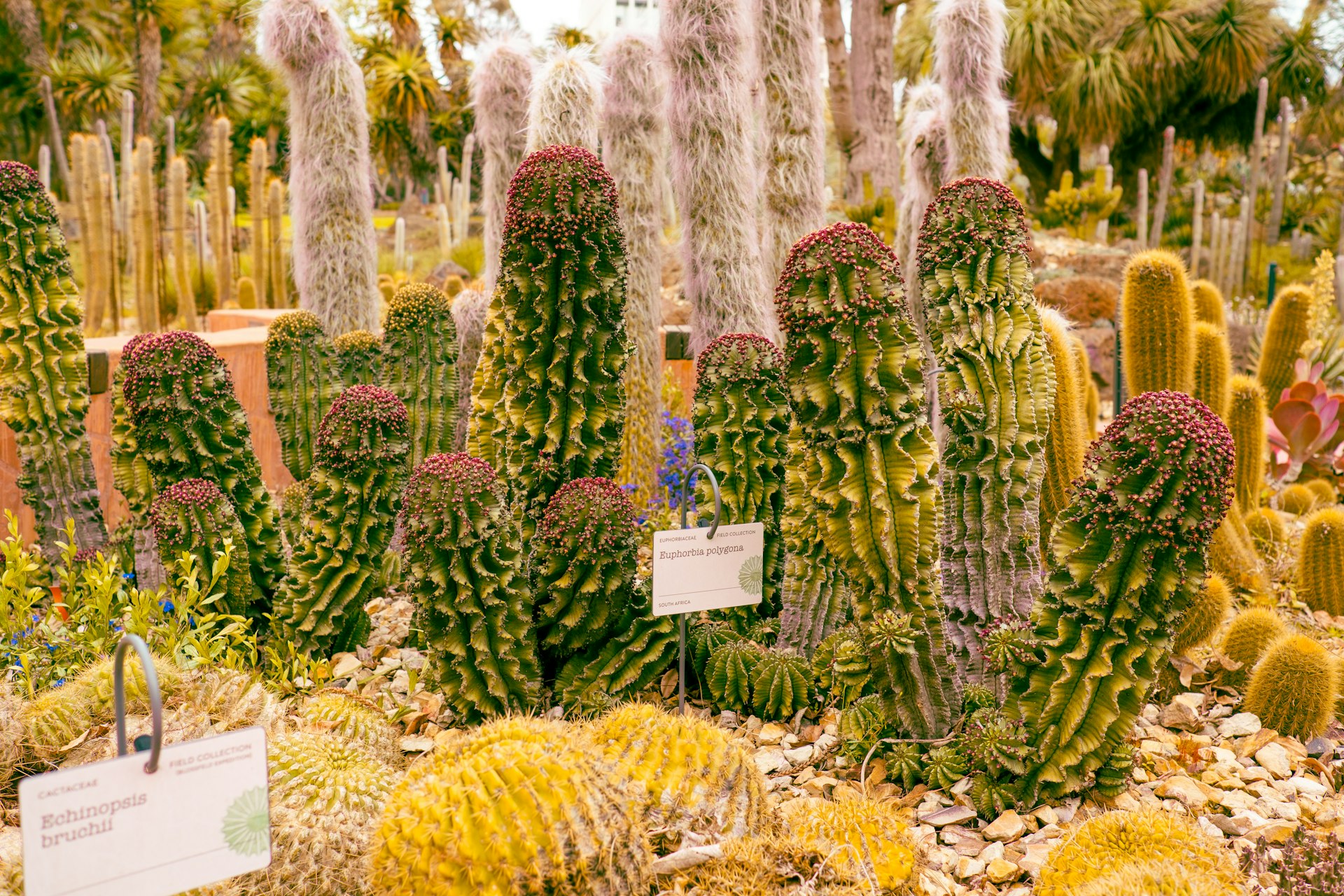

Create a Green Paradise with the Best Outdoor Plants