

Weeping Fig
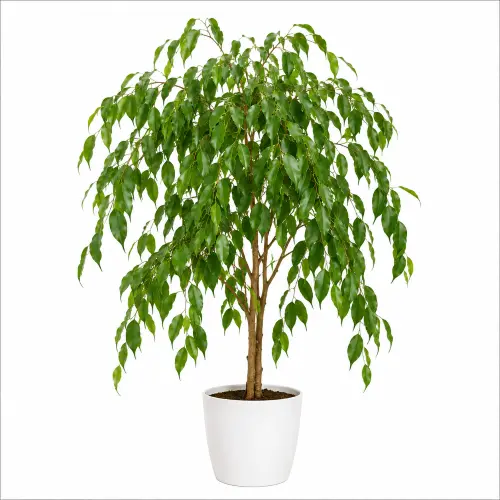
The Weeping Fig (Ficus benjamina), also frequently grown as the Benjamin Fig, is a stately, elegant tropical tree prized for its dense canopy of glossy, pointed leaves and graceful, arching branches. A staple of large-scale interior design, this classic woody perennial brings a sophisticated, tree-like presence into spacious homes, bright offices, and corporate lobbies.
Plant Overview
- Product Name: Weeping Fig / Benjamin Fig (Ficus benjamina)
- Category: Houseplants, Indoor Trees, and Woody Perennials
- Product Type: Live evergreen tropical tree
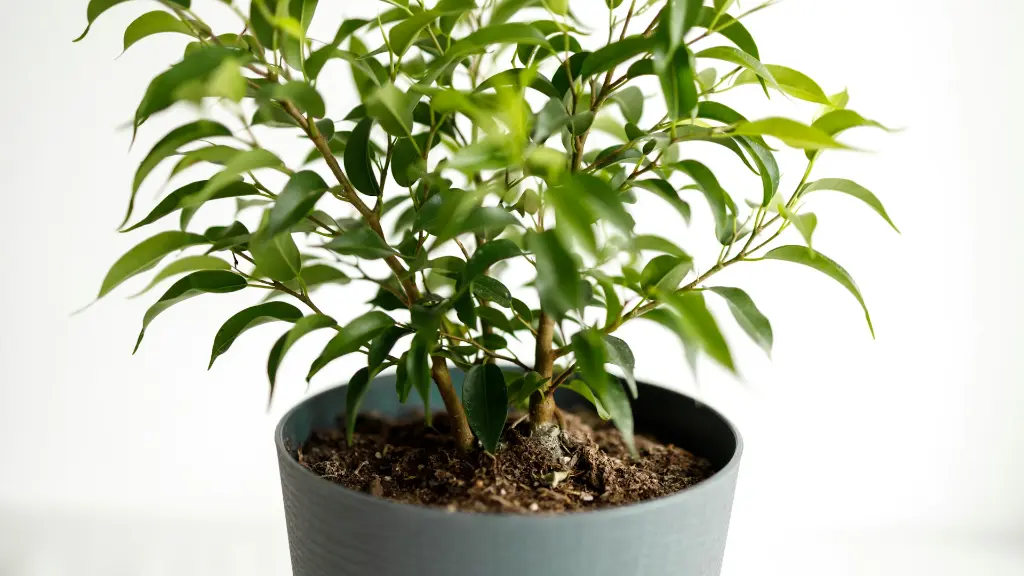
- Form / Texture: Upright, arboreal structure with a weeping branch habit, smooth gray bark, and a dense crown of slender, teardrop-shaped leaves
- Suitable For: Floor corners, spacious living rooms, bright offices, hallway entryways, and sunrooms
- Application: Large-scale interior greening, structural architectural framing, and indoor canopy styling
Core Functions & Value
- Delivers an authentic, full-sized "indoor tree" aesthetic that scales beautifully with high ceilings.
- Softens harsh architectural lines and corners with its delicate, gently drooping branches.
- Functions as an excellent long-term structural anchor piece for open-concept room layouts.
- Responds brilliantly to pruning, allowing growers to train it into braided trunks, standard topiaries, or bonsai forms.
Botanical Features
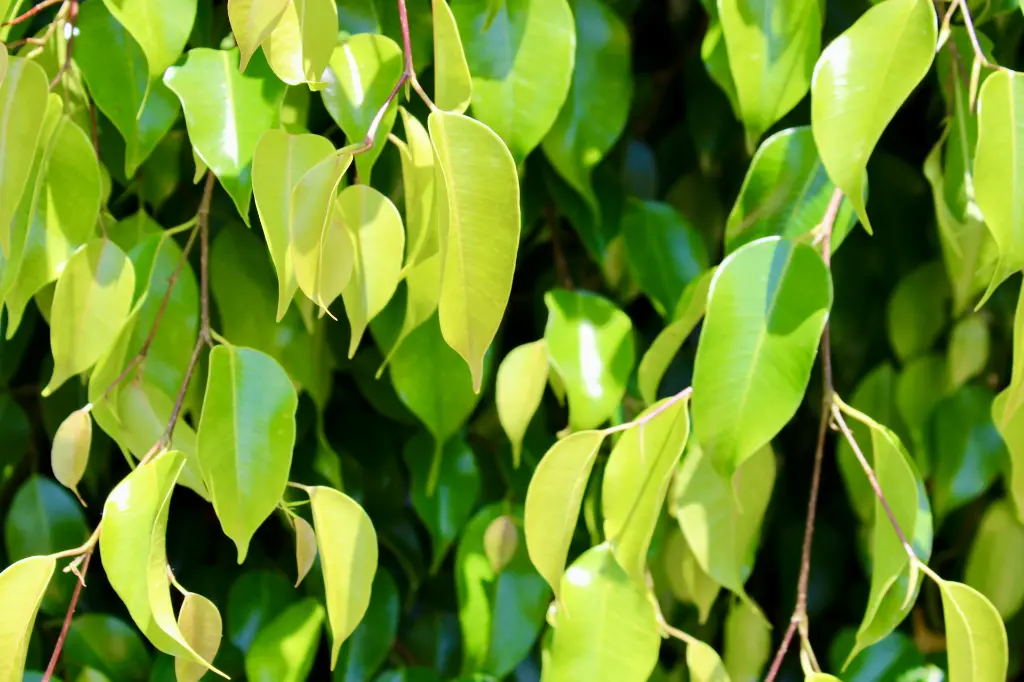
- Acuminate Foliage: Oval, leathery leaves that narrow into a sharp, characteristic "drip tip" to shed water.
- Slender Arching Twigs: Highly flexible, woody branches that weep downward under the weight of the dense foliage.
- Smooth Gray Bark: A clean, light-gray trunk that thickens over time, creating a beautiful structural trunk contrast.
- Milky Latex Sap: A thick, white, rubbery sap found throughout the stems and leaves that acts as a natural wound protectant.
Key Performance Traits
- Imposing Stature: Capable of growing anywhere from 3 to 10 feet tall indoors, making a true structural statement.
- Dense Canopy Coverage: Packs hundreds of leaves close together, creating an effective natural indoor privacy screen.
- Long Lifespan: With stable conditions, individual trees can thrive inside the same household for decades.
- Strong Woody Framework: Does not require heavy supportive staking once the main trunk matures and hardens.
Cultivation Requirements
- Light: Demands consistent bright, filtered indirect sunlight; can adapt to some direct morning sun, but drops leaves rapidly in dim corners.
- Soil: Requires a rich, well-aerated, standard peat-based potting soil mixed with perlite to guarantee swift water passage.
- Moisture: Prefers a reliable baseline of moisture; water thoroughly once the top of soil becomes dry, never letting the root ball parch completely.
- Temperature: Flourishes in steady warmth between 18°C and 24°C; highly vulnerable to sudden chilly drops below 15°C.
Care Instructions
- Select a permanent home for the tree and avoid moving it; spatial disruption is the primary trigger for sudden leaf loss.
- Water until liquid drains freely from the base holes, then immediately empty the collecting saucer to avoid waterlogging the roots.
- Keep the plant far away from drafty windows, entry doors, or active air conditioning and heating vents.
- Feed with a nitrogen-rich liquid houseplant fertilizer diluted to half-strength once a month during spring and summer.
Primary Applications
- Empty living room corners and structural alcoves.
- Bright corporate offices, conference rooms, and reception lobbies.
- Sun-drenched indoor patios, atriums, and sunrooms.
- Visual room dividers in large, open-concept home designs.
- Miniature tree styling through intentional bonsai training.
Strategic Pros
- Highly customizable shape; tolerates heavy trimming to maintain a specific height or width profile.
- Exceptionally long-lived asset that appreciates in visual value as the trunk matures.
- Creates a lush, full-canopy look that thin-stemmed houseplants cannot replicate.
- Sturdy wood structure resists breaking or leaning under its own weight.
Risks & Limitations
- Toxicity Warning: The milky sap contains ficin and psoralen, making it toxic to dogs, cats, and horses, and a skin irritant to humans.
- Drama-Prone Habits: Infamous for dropping dozens of green leaves overnight in response to minor environmental changes, draft exposures, or relocation shock.
- Root Rot Vulnerability: Prolonged saturated conditions cause rapid root suffocation, leading to leaf yellowing and dieback.
- Pest Attraction: Scale insects, mealybugs, and spider mites can hide easily within the dense, crowded canopy if air is stagnant.
Handling & Upkeep Tips
- Prune dead or overcrowding interior branches in late winter using sharp shears to maximize light penetration and air circulation.
- Wipe or gently mist the canopy occasionally to keep dust from blocking light intake on the glossy leaf surfaces.
- If a sudden leaf drop occurs, resist the urge to overwater; maintain a regular schedule and wait for fresh buds to emerge along the bare branches.
Prevention & Operational Safety
- Wear protective gloves while pruning to prevent the sticky, milky white latex sap from contacting bare skin.
- Ensure individuals with severe latex allergies avoid direct contact with the plant's internal fluids.
- Always place the heavy container on a rolling plant caddy if seasonal position adjustments are absolutely necessary.
Ideal Use-Cases
- Large, sun-drenched rooms with tall ceilings
- Experienced plant owners who understand environmental stability
- Offices with consistent, automated climate controls
- Pet-free interior spaces needing a dramatic focal tree
- Indoor atriums and bright entryway staging
Interesting Trivia
- In its native habitats across Southeast Asia and Northern Australia, Ficus benjamina can grow into a massive tree reaching over $60\text{ feet}$ tall, complete with hanging aerial roots.
- The Weeping Fig is the official official tree of Bangkok, Thailand, where it is widely planted across urban avenues and temple grounds.
Summary
The Weeping Fig remains an icon of interior design for its unmatched ability to bring a true, majestic tree canopy indoors. While it can be sensitive to environmental shifts and drafts, providing a stable, bright location and a careful watering routine ensures this elegant tree remains a lush centerpiece for years to come.
Sources
- North Carolina Extension Gardener Plant Toolbox - Ficus benjamina: https://plants.ces.ncsu.edu/plants/ficus-benjamina/
- University of Florida IFAS Extension - Weeping Fig Production Guide: https://edis.ifas.ufl.edu/publication/FP210
- Royal Horticultural Society (RHS) - Ficus benjamina (Weeping Fig): https://www.rhs.org.uk/plants/7184/ficus-benjamina/details
Great stories have a personality. Consider telling a great story that provides personality. Writing a story with personality for potential clients will assist with making a relationship connection. This shows up in small quirks like word choices or phrases. Write from your point of view, not from someone else's experience.
Great stories are for everyone even when only written for just one person. If you try to write with a wide, general audience in mind, your story will sound fake and lack emotion. No one will be interested. Write for one person. If it’s genuine for the one, it’s genuine for the rest.
WANDERING JEW
Rhoeo Plant – Rhoeo discolor (Tricolor / Variegated)
The Rhoeo discolor, popularly known as the Tricolor Rhoeo or Variegated Rhoeo, is a vibrant perennial that effortlessly adds color and texture to any indoor or outdoor space. Its eye-catching foliage showcases a mix of green, white, and purple hues, making it a natural statement piece. Compact yet resilient, the Rhoeo is ideal for windowsills, tabletops, garden borders, or as a ground cover in tropical landscapes.
This plant isn’t just about aesthetics. Known for its hardiness, the Rhoeo thrives in a variety of conditions, tolerates drought, and requires minimal maintenance, making it perfect for beginners and busy gardeners alike.
Why Rhoeo Stands Out
- Striking Foliage: A lively mix of green, white, and purple leaves that can brighten any space.
- Adaptable: Tolerates a range of light levels—from partial shade to bright, indirect sunlight.
- Low Maintenance: Thrives with minimal attention, making it perfect for indoor or outdoor setups.
- Air Purifier: Helps improve indoor air quality by filtering pollutants.
- Eco-Friendly: Drought-tolerant and hardy in poor soil, supporting sustainable gardening practices.
Growing Guidelines
- Soil: Use well-draining soil to avoid root rot; a mix of potting soil and perlite works well.
- Light: Prefers bright, indirect light but can handle partial shade.
- Watering: Water only when the top inch of soil feels dry; overwatering can harm the plant.
- Temperature: Ideal growth occurs in 60°F–80°F (15°C–27°C).
Care Tips
- Remove infected leaves for proper growth and good look.
- Dust the leaves occasionally to maintain healthy photosynthesis.
- Repot every 1–2 years to provide fresh soil and space for roots.
- Monitor for pests like spider mites and aphids; treat with mild insecticidal soap if necessary.
Propagation
Expanding your Rhoeo collection is simple:
1. Cut a healthy leaf or stem section.
2. Allow the cut end to dry slightly (callous).
3. Plant it in moist, well-draining soil and wait for roots to establish.
Within weeks, you’ll have new plants ready to flourish in your space.
Placement & Styling
- Indoor Accent: Perfect for brightening up shelves, corners, or tabletops.
- Outdoor Landscapes: Adds color to garden borders, planters, or as low-maintenance ground cover.
- Mixed Plant Displays: Pair with green foliage or flowering plants to highlight the Rhoeo’s vibrant colors.
Fun Facts
- Often called “Moses-in-the-bulrushes” due to the shape of its leaves.
- Part of the Commelinaceae family, related to other popular tropical plants.
- Can flourish in low-light indoor spaces, making it ideal for apartments or offices.
- Plant that contains medicinal value.
Varieties
- Tricolor Rhoeo: Showcases green, white, and purple shades.
- Variegated Rhoeo: Features cream or white-edged leaves with subtle purple accents.
Choose based on your color preference—or grow both for maximum visual impact!
Rhoeo Benefits
- Pet-Friendly: Non-toxic to cats and dogs.
- Air-Purifying: Helps filter indoor pollutants.
- Low Effort: Thrives on minimal care, ideal for busy plant parents.
- Aesthetic Appeal: Adds vibrant color, texture, and a tropical vibe to your space.
Landscaping Uses
Rhoeo is a versatile plant in gardens and patios:
- Works well as border plants or ground cover.
- Provides color contrast against green foliage.
- Thrives in planters, hanging baskets, or container gardens.
Summary
The Rhoeo discolor is a resilient, colorful, and easy-to-care-for plant that can transform any space into a lively tropical paradise. Its vibrant leaves, adaptability, and low-maintenance nature make it a favorite among gardeners of all levels. Whether used indoors or outdoors, as a decorative accent or as part of a garden bed, the Rhoeo adds a splash of color and a touch of exotic charm wherever it grows.