Air Plants
Air plants (Tillandsia species) are a fascinating genus of evergreen perennial plants belonging to the bromeliad family. Famous for their ability to grow completely without soil, they gather moisture and essential nutrients from the air around them using specialized structures on their leaves. Their unique survival mechanisms make them popular choices for modern, minimalistic, and creative indoor displays.
Plant Overview
- Product Name: Air Plants (Tillandsia spp.)
- Category: Houseplants, Bromeliads, and Novelty Plants
- Product Type: Live epiphytic perennial foliage plants
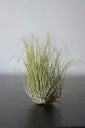
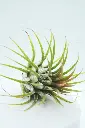
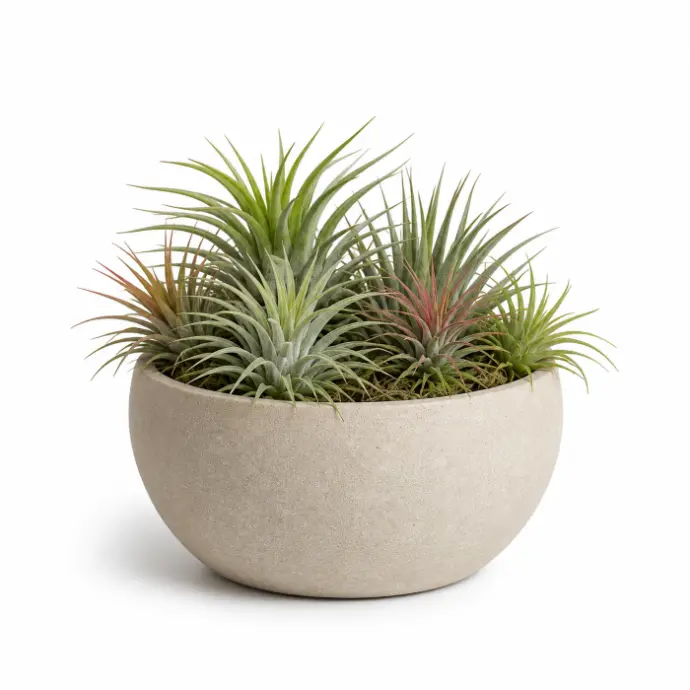
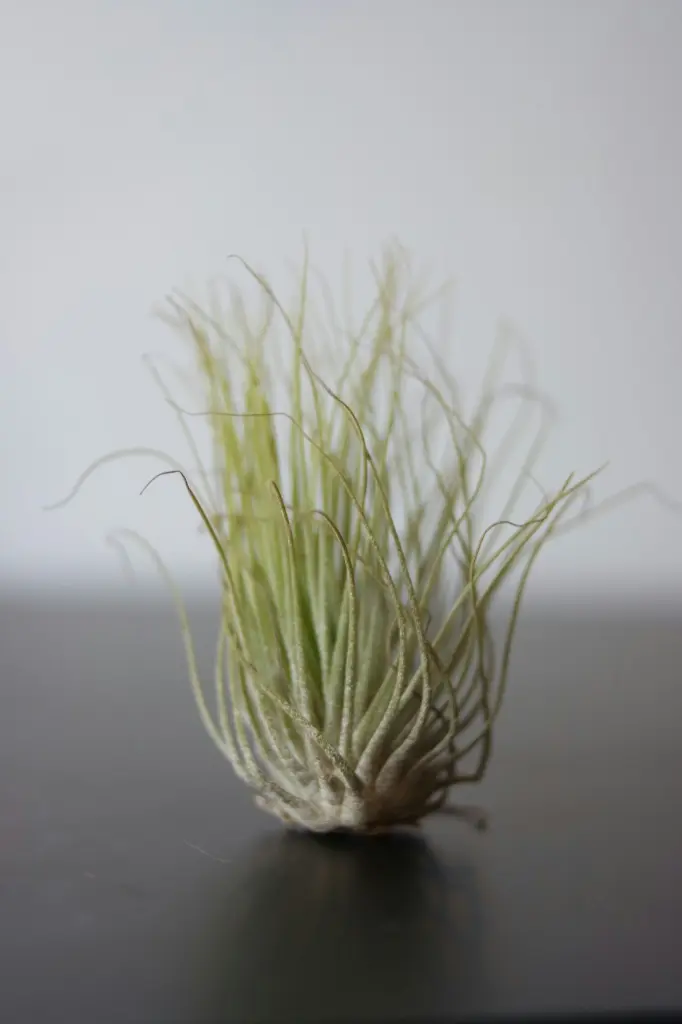
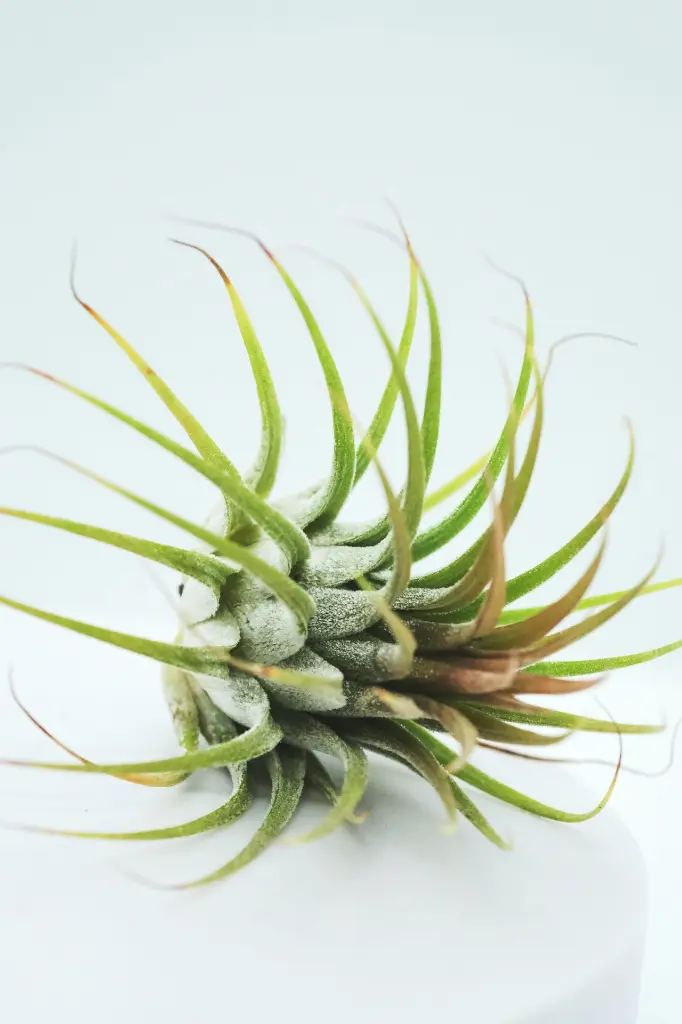
- Form / Texture: Striking rosette, tentacle-like, or grassy forms; texture varies from soft and smooth to stiff, fuzzy, and silvery
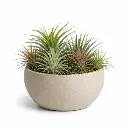
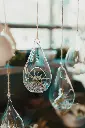
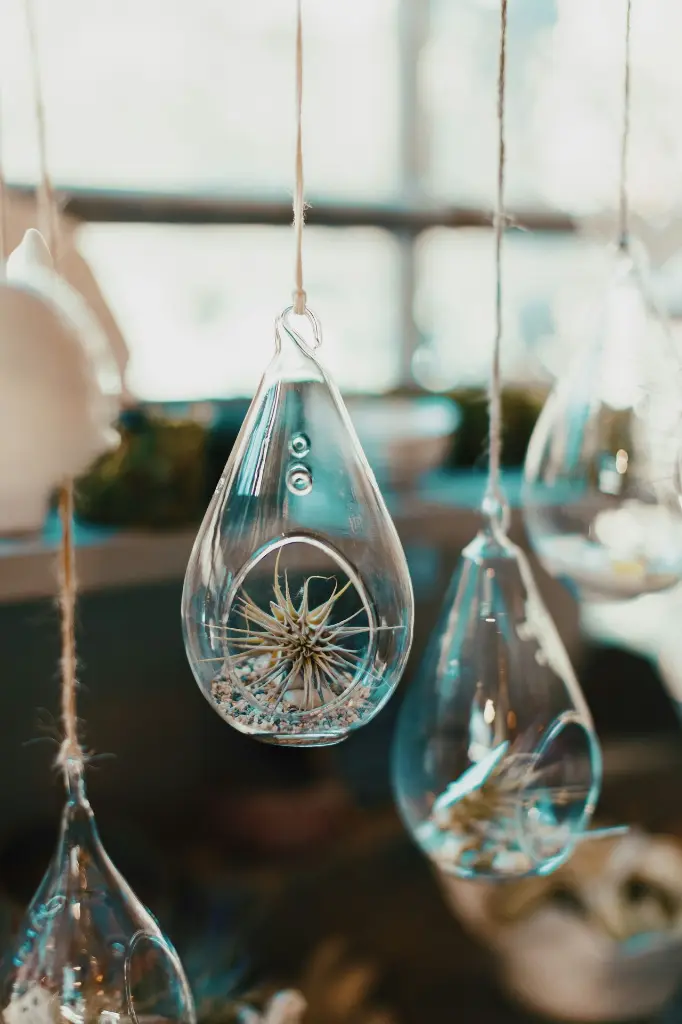
- Suitable For: Terrariums, drift wood mounting, wire frames, wall art, and hanging glass globes
- Application: Soil-free indoor landscaping, architectural accent framing, and creative DIY craft arrangements
Core Functions & Value
- Eliminates the mess of potting soil, allowing placement on delicate surfaces, fabrics, or vertical walls.
- Serves as a highly versatile design element that can be repositioned instantly without repotting shock.
- Absorbs environmental humidity and moisture through specialized leaf cells rather than underground roots.
- Maximizes small vertical or floating spaces in apartments, office cubicles, or compact shelving units.
Botanical Features
- Trichomes: Specialized, silver or white hair-like scales on the foliage that actively trap rain, dew, and dust particles.
- Anchor Roots: Minimal, tough, wire-like roots used solely for gripping onto trees or rocks, completely incapable of absorbing nutrients.
- Rosette Growth Habit: Leaves arranged in a central spiral pattern designed to channel moisture directly toward the plant base.
- Blushing Foliage & Blooms: Leaves often turn vibrant pink or red just before pushing out tubular, colorful flowers.
Key Performance Traits
- Zero-Soil Dependency: Requires no dirt, substrate, or repotting throughout its entire lifespan.
- High Display Flexibility: Can be safely glued, tied, wedged, or rested onto nearly any stable surface.
- Slow, Compact Evolution: Grows at a steady, minimal pace, preserving its original display size for long periods.
- Pup Production: Naturally generates clone offsets ("pups") at the base after flowering, creating a clustering colony over time.
Cultivation Requirements
- Light: Requires bright, filtered indirect sunlight or strong artificial grow lights; intense midday sun can parch them quickly.
- Soil: Strictly none. Planting them in soil suffocates the base and kills the plant.
- Moisture: Demands regular misting alongside a weekly deep-water soaking ritual to rehydrate internal tissue.
- Temperature: Prefers comfortable indoor conditions between 12°C and 32°C; must be kept safe from freezing winter drafts.
Care Instructions
- Submerge the entire plant face-down in a bowl of room-temperature water for 20 to 30 minutes once a week.
- Critical Step: Shake the plant gently after soaking and leave it upside down on a towel in a well-ventilated spot for 4 hours to dry completely.
- Mist the plants with a spray bottle 2 to 3 times per week between soakings if household air is exceptionally dry.
- Add a pinch of specific bromeliad or air plant fertilizer to the soaking water once a month during spring and summer.
Primary Applications
- Hanging geometric metal frames and glass globes.
- Mounted accent pieces on natural driftwood, cork bark, or sea shells.
- Living wall art frames and vertical mesh installations.
- Modern tabletop crystal, rock, or ceramic holder pairings.
- Humid vivarium setups alongside tropical reptiles or amphibians.
Strategic Pros
- Entirely eliminates soil-borne pests like fungus gnats from the growing area.
- Incredibly lightweight and portable; can be moved easily to match seasonal lighting shifts.
- Safe and non-toxic for homes with curious cats, dogs, or small children.
- Easy to clean; accumulated dust can simply be rinsed off during the weekly watering cycle.
Risks & Limitations
- Highly vulnerable to center rot if water pools inside the leaf base and fails to dry out within a few hours.
- Can shrivel, turn brown, and die rapidly in rooms with stagnant air and zero ventilation.
- Susceptible to drying out completely from hidden dry air currents near heaters or refrigerators.
- Copper is highly toxic to air plants; they cannot be displayed on copper wires or treated wood structures.
Handling & Upkeep Tips
- Snip away dry, brown leaf tips using sharp, clean scissors at an angle to preserve the natural pointed look of the foliage.
- When separate "pups" grow to about one-third the size of the parent plant, gently twist them away to create independent new plants.
- Distinguish between Mesic types (smooth, green, prefer high humidity) and Xeric types (fuzzy, silver, tolerate more sun and dry air) to balance care.
Prevention & Operational Safety
- Never use hot or heavily chlorinated tap water for soakings; rainwater or overnight-settled water is ideal.
- Avoid using hot-glue guns directly on live tissue; use cold craft glue, wire, or fishing line to secure them to mounts.
- Ensure the plant is placed in an area with good air circulation so it dries naturally after every watering session.
Ideal Use-Cases
- Creative craft enthusiasts and DIY decorators
- Modern, minimal apartment interiors
- Soil-free and pest-sensitive office spaces
- High-humidity bright bathrooms
- Miniature geometric terrariums
Interesting Trivia
- In their native habitats across the Americas, air plants are epiphytes that hitchhike on tree canopies, telephone wires, and even desert cacti without taking anything away from the host.
- Spanish Moss (Tillandsia usneoides), which drapes dramatically over oak trees in the American South, is actually a true air plant species and not a moss at all.
Summary
Air plants represent nature's ultimate minimalist design, proving that soil is optional for beautiful plant life. By providing bright indirect light, fresh air circulation, and a consistent routine of soaking and thorough drying, indoor gardeners can effortlessly maintain these unique architectural wonders.
Sources
- North Carolina Extension Gardener Plant Toolbox - Tillandsia: https://plants.ces.ncsu.edu/plants/tillandsia/
- University of Florida IFAS Extension - Air Plants (Tillandsia): https://edis.ifas.ufl.edu/publication/EP596
- University of Wisconsin-Madison Extension - Air Plants (Tillandsia): https://hort.extension.wisc.edu/articles/air-plants-tillandsia/