

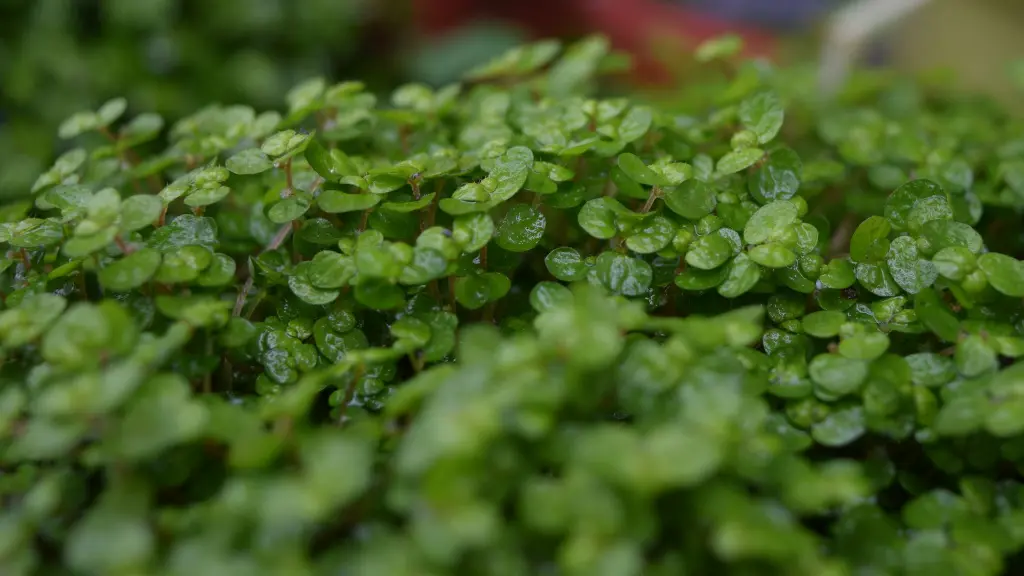

Baby Tears Plant
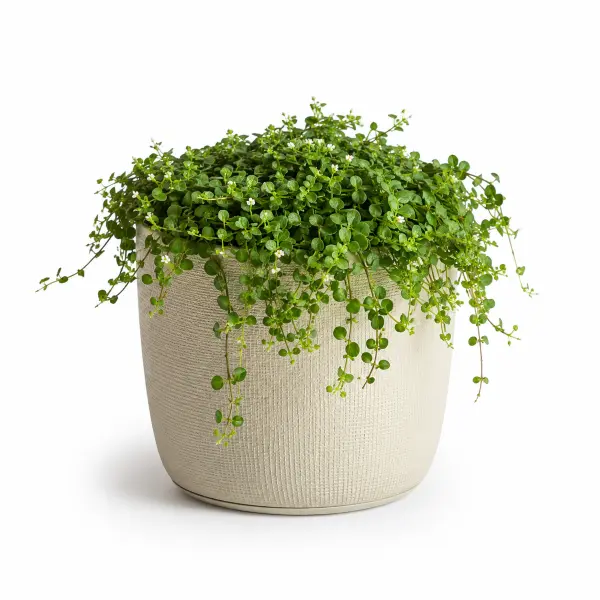
The Baby Tears plant (Soleirolia soleirolii), also known as Angel’s Tears, Mind-Your-Own-Business, or Irish Moss, is a delicate, mat-forming perennial known for its lush carpet of tiny, bright green leaves. It is a popular choice for indoor terrariums, hanging baskets, and moist garden groundcovers.
Plant Overview
- Product Name: Baby Tears Plant (Soleirolia soleirolii)
- Category: Houseplants, Groundcovers, and Terrarium Plants
- Product Type: Live evergreen perennial foliage plant
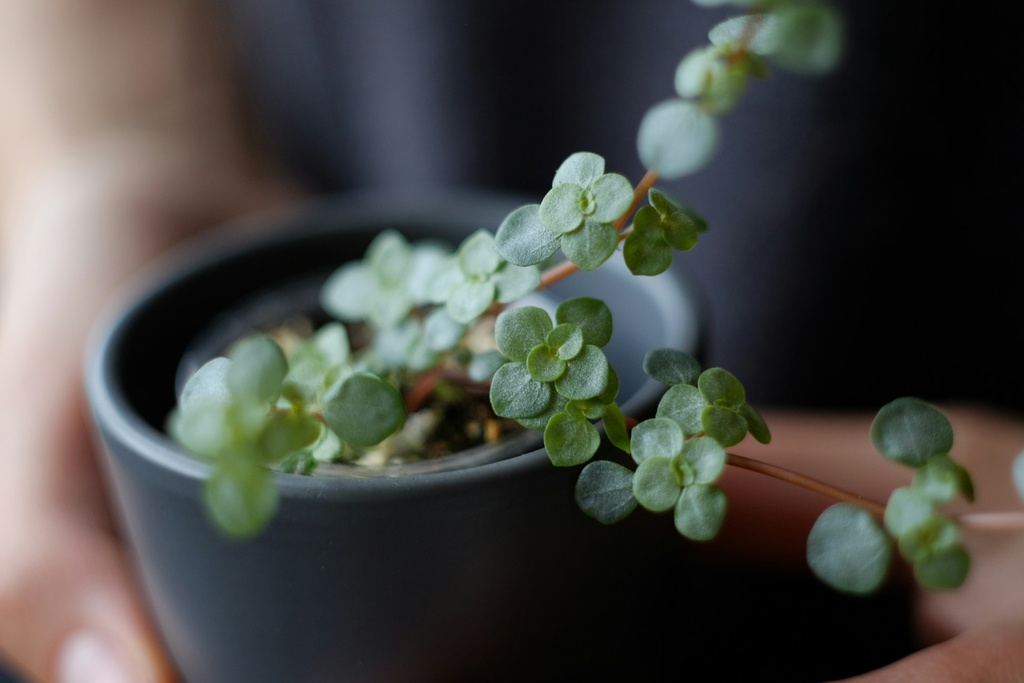
- Form / Texture: Dense, low-growing mat with thread-like stems and thousands of tiny, rounded translucent leaves
- Suitable For: Terrariums, fairy gardens, hanging baskets, indoor pots, and shaded outdoor groundcover
- Application: Ornamental indoor cultivation, container gardening, or moisture-loving landscape border filling
Core Functions & Value
- Creates a vibrant, intense green "moss-like" carpet effect much faster than actual moss.
- Highly adaptable to high-humidity enclosed environments like terrariums and vivariums.
- Excellent for covering bare soil surface in large potted plant containers.
- Functions as a soft, non-aggressive groundcover in shady, frost-free garden zones.
Botanical Features
- Fine Creeping Stems: Fragile, fleshy pinkish-white stems that root easily wherever they touch the ground.
- Dense Foliage: A profusion of tiny, lush leaves ($5\text{ mm}$ or less) that hold moisture well.
- Shallow Root System: A delicate, fibrous network of roots that spreads horizontally rather than deeply.
- Inconspicuous Blooms: Tiny, creamy-white flowers without petals that appear in late spring (mostly unnoticed).
Key Performance Traits
- Rapid Growth: Quickly carpets bare spaces to provide instant visual appeal.
- Air Moisture Indicator: Acts as a natural hygrometer; its leaves wilt quickly when air or soil dries, warning you to water.
- Pet Friendly: Non-toxic to cats and dogs, making it a safe indoor plant choice.
- Easy Propagation: A small clump separated from the main plant roots effortlessly in fresh soil.
Cultivation Requirements
- Light: Thrives in bright, filtered indirect sunlight; harsh direct sun will scorch and bleach the delicate leaves.
- Soil: Requires a rich, well-draining potting mix high in organic matter (such as peat moss or coco coir).
- Moisture: Demands consistently damp soil; it cannot tolerate drought or completely drying out.
- Temperature: Prefers moderate temperatures between 15°C and 24°C; must be protected from freezing frost.
Care Instructions
- Plant in a container with excellent drainage to prevent the shallow roots from rotting in stagnant water.
- Trim the edges regularly with sharp scissors if it begins to spill over or overcrowd other companion plants.
- Water from the base or use a fine mister to avoid flattening the delicate canopy of leaves.
- Apply a balanced liquid houseplant fertilizer diluted to half-strength once a month during the spring and summer.
Primary Applications
- Terrarium and vivarium landscaping.
- Hanging baskets with cascading green trailers.
- Indoor windowsill pottery.
- Shaded rock gardens and pathway gaps (in mild climates).
- Companion planting under tall, moisture-loving indoor trees.
Strategic Pros
- Exceptionally easy to propagate by division.
- Tolerates low-light corners better than many other bright green indoor plants.
- Gives a soft, fairy-tale aesthetic to miniature gardens.
- Recovers quickly from minor dehydration if watered promptly.
Risks & Limitations
- Can become invasive outdoors in warm, wet climates if left unchecked.
- High vulnerability to frost; turns brown and dies back in cold winters.
- Very sensitive to dry air and drafts from air conditioning or heating vents.
- Delicate stems break easily when handled roughly or stepped on.
Handling & Upkeep Tips
- Groom the plant by clipping away any yellow or brown patches beneath the mat to keep air circulating.
- Avoid packing the soil too tightly when repotting; the roots need oxygen and loose substrate to spread.
- If grown in an enclosed terrarium, open the lid occasionally for an hour to refresh air exchange and prevent mold.
Prevention & Operational Safety
- Avoid placing the plant in high-traffic outdoor paths, as it cannot handle foot traffic.
- Ensure pots have drainage holes; keeping the plant in standing water causes fungal root rot.
- Keep pruning tools clean to avoid transferring common household pests like fungus gnats or spider mites.
Ideal Use-Cases
- Closed glass terrariums
- Miniature fairy gardens
- Bathrooms with high humidity
- Fern companions
- Hanging macrame planters
- Shaded courtyard borders
Interesting Trivia
- Despite its appearance and common alternative name "Irish Moss," the Baby Tears plant is not a moss at all—it is a flowering member of the nettle family (Urticaceae).
- The genus name Soleirolia honors Henri Augustin Soleirol, an army captain and plant collector who gathered the specimen in Corsica in the early 19th century.
Final Review
The Baby Tears plant is a charming, fast-growing indoor favorite that offers a lush, velvety texture to indoor spaces and humid microclimates. While it demands consistent moisture and humidity, its ease of propagation and vibrant green presentation make it a rewarding project for plant enthusiasts.
Sources
- North Carolina Extension Gardener Plant Toolbox - Soleirolia soleirolii: https://plants.ces.ncsu.edu/plants/soleirolia-soleirolii/
- University of Wisconsin-Madison Extension - Baby Tears (Soleirolia soleirolii): https://hort.extension.wisc.edu/articles/baby-tears-soleirolia-soleirolii/
- Royal Horticultural Society (RHS) - Soleirolia soleirolii (Mind-your-own-business): https://www.rhs.org.uk/plants/17446/soleirolia-soleirolii/details