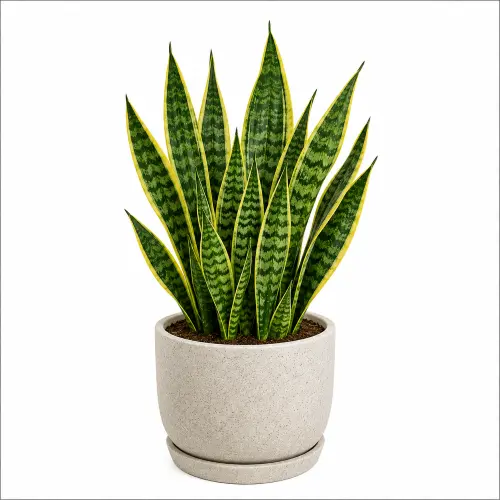
Snake Plant (Dracaena trifasciata)
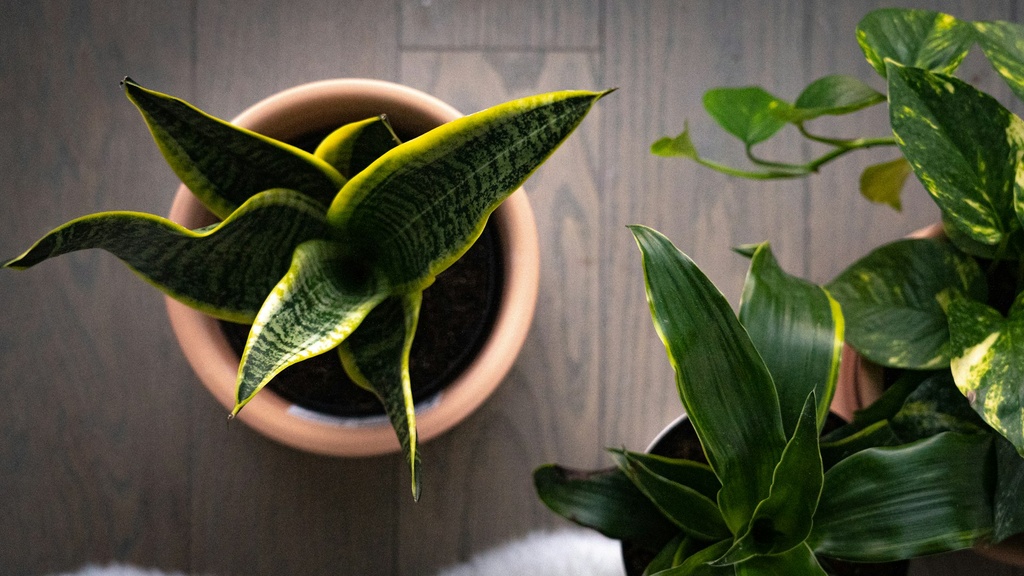
The Snake Plant (Dracaena trifasciata), often called Mother-in-Law’s Tongue, Bowstring Hemp, or St. George’s Sword, is one of the most dependable and adaptable indoor plants available today. Recognized for its tall, upright leaves and remarkable durability, this evergreen succulent has become a favorite among homeowners, office managers, interior designers, and beginner gardeners alike.
Its ability to withstand irregular watering, low light conditions, and varying indoor environments makes it an ideal choice for people seeking greenery without demanding maintenance. Whether displayed as a statement floor plant or used as a subtle decorative accent, the Snake Plant delivers both visual appeal and practicality.
Plant Overview
- Product Name: Snake Plant (Dracaena trifasciata)
- Common Names: Mother-in-Law’s Tongue, Bowstring Hemp, St. George’s Sword
- Plant Category: Indoor Foliage Plant, Succulent, Evergreen Perennial
- Growth Habit: Upright, clumping, architectural
- Leaf Structure: Thick, rigid, sword-like leaves with decorative variegation
- Suitable Locations: Homes, offices, apartments, reception areas, bedrooms, balconies, and commercial interiors
- Primary Use: Indoor decoration, low-maintenance landscaping, container gardening, and modern interior styling
Why Snake Plant Is So Popular
The Snake Plant is admired for its exceptional resilience and attractive appearance. Unlike many ornamental houseplants that require constant attention, this species can thrive with minimal care while maintaining its elegant structure and vibrant foliage.
Its vertical growth pattern makes efficient use of space, allowing it to fit comfortably in compact apartments, narrow hallways, office corners, and shelf displays. The plant remains attractive throughout the year, retaining its form and color regardless of the season.
Distinctive Botanical Characteristics
Upright Foliage
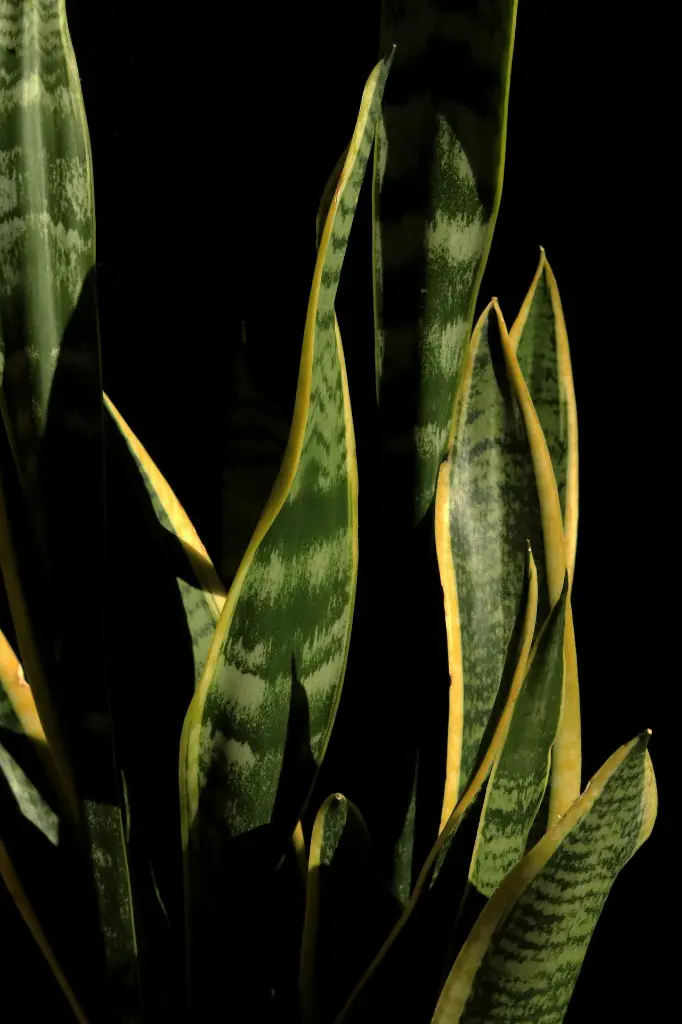
The most recognizable feature of the Snake Plant is its tall, sword-shaped foliage. The leaves emerge directly from the base and grow vertically, creating a clean and structured appearance.
Decorative Leaf Patterns
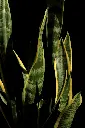
Most varieties display attractive horizontal bands of light and dark green. Some cultivars also feature golden-yellow margins or silver-toned markings that enhance their ornamental value.
Water-Storing Tissues
As a succulent plant, Snake Plant leaves contain specialized tissues that store moisture. This adaptation allows the plant to survive prolonged dry periods with ease.
Underground Rhizome Network
Beneath the soil surface, thick rhizomes spread gradually and generate new shoots. These underground structures help the plant store nutrients and encourage natural multiplication.
Seasonal Flowering
Although uncommon indoors, mature specimens may occasionally produce flower spikes bearing small, creamy-white blossoms. These flowers release a pleasant fragrance, particularly during evening hours.
Functional Benefits
Space-Efficient Growth
The plant's vertical growth habit provides height and visual impact without occupying significant floor space, making it ideal for modern interiors.
Drought Resistance
Its succulent nature enables it to tolerate infrequent watering, making it suitable for busy individuals, travelers, and novice plant owners.
Long Lifespan
With proper care, a Snake Plant can remain healthy and attractive for many years, often becoming a permanent feature in indoor spaces.
Adaptability
Few houseplants can adapt to a wide range of conditions as effectively as the Snake Plant. It performs well in both bright rooms and areas with limited natural light.
Minimal Maintenance
The plant requires little pruning, infrequent watering, and only occasional fertilization, making it one of the easiest ornamental plants to maintain.
Growth and Environmental Requirements
Light Requirements
Snake Plants perform best in bright, indirect sunlight where growth is more vigorous and leaf coloration becomes more pronounced. However, they can also tolerate:
- Moderate indoor lighting
- Artificial office lighting
- Partial shade
- Low-light indoor locations
Extended exposure to harsh afternoon sunlight may cause leaf discoloration in some varieties.
Soil Requirements
Healthy growth depends heavily on proper drainage. A porous growing medium prevents excess moisture from accumulating around the roots and rhizomes.
Recommended soil components include:
- Cactus and succulent potting mix
- Perlite
- Coarse sand
- Pumice
- Lightweight organic matter
Heavy clay-based soils should be avoided because they retain excessive moisture.
Water Requirements
Snake Plants prefer a dry environment between watering sessions.
Watering Guidelines:
- Allow the soil to dry completely before watering.
- Water deeply until excess moisture exits through drainage holes.
- Reduce watering frequency during cooler months.
- Never allow the plant to sit in standing water.
Overwatering remains the most common cause of plant decline.
Temperature Preferences
Snake Plants thrive in warm indoor environments and perform best between:
18°C to 30°C
They should be protected from:
- Frost
- Cold drafts
- Sudden temperature fluctuations
- Conditions below 10°C
Humidity Tolerance
Unlike many tropical plants, Snake Plants tolerate average indoor humidity levels without difficulty. Additional humidity is generally unnecessary.
Essential Care Practices
Choose Containers with Drainage
Always select pots equipped with drainage holes. Proper drainage helps prevent root and rhizome rot caused by excess moisture.
Keep Leaves Clean
Dust accumulation can reduce the plant’s ability to absorb light efficiently. Gently wipe leaves with a soft cloth every few weeks to maintain a healthy appearance.
Fertilization
Feed the plant lightly during active growth periods.
Recommended schedule:
- Once every 4–6 weeks during spring and summer
- Use a balanced liquid fertilizer at half strength
- Avoid excessive feeding
- Suspend fertilization during winter dormancy
Repotting
Repot every 2–3 years or whenever roots become crowded.
Signs that repotting is necessary include:
- Roots emerging from drainage holes
- Reduced growth rate
- Cracked containers caused by expanding rhizomes
- Soil deterioration
Pruning
Minimal pruning is required.
Simply remove:
- Damaged leaves
- Yellowing foliage
- Diseased growth
- Broken leaf sections
Cut unwanted leaves at their base using clean, sterilized tools.
Propagation Methods
Snake Plants can be propagated successfully through several methods:
Rhizome Division
The quickest and most reliable method involves separating mature clumps and replanting individual sections.
Leaf Cuttings
Healthy leaf segments can be rooted in soil or water. New roots and shoots typically develop within several weeks.
Offset Removal
Small plantlets emerging near the parent plant can be detached and grown independently.
Common Problems and Solutions
Root Rot
Cause: Excessive watering or poor drainage
Solution: Remove affected roots, replace wet soil, and reduce watering frequency.
Soft or Mushy Leaves
Cause: Overwatering or prolonged cold exposure
Solution: Improve drainage and maintain appropriate temperatures.
Wrinkled Leaves
Cause: Extended dehydration
Solution: Water thoroughly and resume a balanced watering schedule.
Brown Leaf Tips
Cause: Environmental stress, inconsistent watering, or physical damage
Solution: Maintain stable growing conditions and trim affected tips if desired.
Pest Issues
Although generally resistant to pests, occasional infestations may include:
- Mealybugs
- Spider mites
- Scale insects
Regular inspection and prompt treatment usually resolve these issues quickly.
Interior Design Applications
The Snake Plant's bold form complements a wide variety of design styles.
Popular placements include:
- Living room corners
- Office entrances
- Bedroom side tables
- Reception areas
- Hallways
- Study rooms
- Balcony planters
- Minimalist decorative arrangements
Its upright silhouette adds visual height and structure while maintaining a clean and uncluttered appearance.
Quick Care Summary
| Feature | Requirement |
|---|---|
| Light | Low to bright indirect light |
| Watering | Only when soil is completely dry |
| Soil | Fast-draining succulent mix |
| Temperature | 18°C–30°C |
| Humidity | Average indoor humidity |
| Fertilizer | Every 4–6 weeks during growing season |
| Growth Habit | Upright and clumping |
| Maintenance Level | Very Low |
| Propagation | Division, offsets, and leaf cuttings |
Conclusion
The Snake Plant stands among the most versatile and resilient ornamental plants available for indoor cultivation. Its striking vertical foliage, drought tolerance, adaptability to varying light conditions, and exceptionally low maintenance requirements make it a reliable choice for both beginners and experienced plant enthusiasts. Whether used as a decorative accent in a modern home or as a durable greenery solution for offices and commercial spaces, the Snake Plant offers long-lasting beauty with minimal effort.
Great stories have a personality. Consider telling a great story that provides personality. Writing a story with personality for potential clients will assist with making a relationship connection. This shows up in small quirks like word choices or phrases. Write from your point of view, not from someone else's experience.
Great stories are for everyone even when only written for just one person. If you try to write with a wide, general audience in mind, your story will sound fake and lack emotion. No one will be interested. Write for one person. If it’s genuine for the one, it’s genuine for the rest.
WANDERING JEW
Rhoeo Plant – Rhoeo discolor (Tricolor / Variegated)
The Rhoeo discolor, popularly known as the Tricolor Rhoeo or Variegated Rhoeo, is a vibrant perennial that effortlessly adds color and texture to any indoor or outdoor space. Its eye-catching foliage showcases a mix of green, white, and purple hues, making it a natural statement piece. Compact yet resilient, the Rhoeo is ideal for windowsills, tabletops, garden borders, or as a ground cover in tropical landscapes.
This plant isn’t just about aesthetics. Known for its hardiness, the Rhoeo thrives in a variety of conditions, tolerates drought, and requires minimal maintenance, making it perfect for beginners and busy gardeners alike.
Why Rhoeo Stands Out
- Striking Foliage: A lively mix of green, white, and purple leaves that can brighten any space.
- Adaptable: Tolerates a range of light levels—from partial shade to bright, indirect sunlight.
- Low Maintenance: Thrives with minimal attention, making it perfect for indoor or outdoor setups.
- Air Purifier: Helps improve indoor air quality by filtering pollutants.
- Eco-Friendly: Drought-tolerant and hardy in poor soil, supporting sustainable gardening practices.
Growing Guidelines
- Soil: Use well-draining soil to avoid root rot; a mix of potting soil and perlite works well.
- Light: Prefers bright, indirect light but can handle partial shade.
- Watering: Water only when the top inch of soil feels dry; overwatering can harm the plant.
- Temperature: Ideal growth occurs in 60°F–80°F (15°C–27°C).
Care Tips
- Remove infected leaves for proper growth and good look.
- Dust the leaves occasionally to maintain healthy photosynthesis.
- Repot every 1–2 years to provide fresh soil and space for roots.
- Monitor for pests like spider mites and aphids; treat with mild insecticidal soap if necessary.
Propagation
Expanding your Rhoeo collection is simple:
1. Cut a healthy leaf or stem section.
2. Allow the cut end to dry slightly (callous).
3. Plant it in moist, well-draining soil and wait for roots to establish.
Within weeks, you’ll have new plants ready to flourish in your space.
Placement & Styling
- Indoor Accent: Perfect for brightening up shelves, corners, or tabletops.
- Outdoor Landscapes: Adds color to garden borders, planters, or as low-maintenance ground cover.
- Mixed Plant Displays: Pair with green foliage or flowering plants to highlight the Rhoeo’s vibrant colors.
Fun Facts
- Often called “Moses-in-the-bulrushes” due to the shape of its leaves.
- Part of the Commelinaceae family, related to other popular tropical plants.
- Can flourish in low-light indoor spaces, making it ideal for apartments or offices.
- Plant that contains medicinal value.
Varieties
- Tricolor Rhoeo: Showcases green, white, and purple shades.
- Variegated Rhoeo: Features cream or white-edged leaves with subtle purple accents.
Choose based on your color preference—or grow both for maximum visual impact!
Rhoeo Benefits
- Pet-Friendly: Non-toxic to cats and dogs.
- Air-Purifying: Helps filter indoor pollutants.
- Low Effort: Thrives on minimal care, ideal for busy plant parents.
- Aesthetic Appeal: Adds vibrant color, texture, and a tropical vibe to your space.
Landscaping Uses
Rhoeo is a versatile plant in gardens and patios:
- Works well as border plants or ground cover.
- Provides color contrast against green foliage.
- Thrives in planters, hanging baskets, or container gardens.
Summary
The Rhoeo discolor is a resilient, colorful, and easy-to-care-for plant that can transform any space into a lively tropical paradise. Its vibrant leaves, adaptability, and low-maintenance nature make it a favorite among gardeners of all levels. Whether used indoors or outdoors, as a decorative accent or as part of a garden bed, the Rhoeo adds a splash of color and a touch of exotic charm wherever it grows.