

Sedum lineare
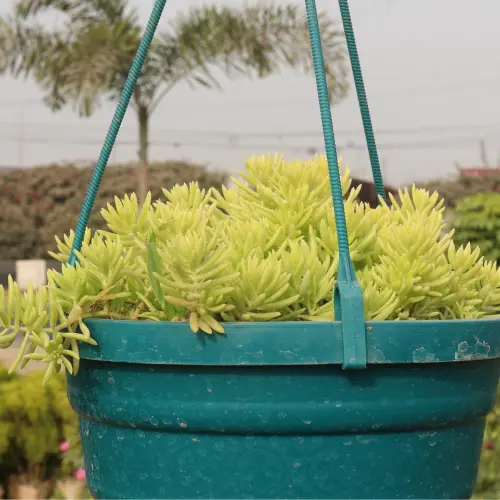
Sedum lineare, commonly referred to as Linear Stonecrop or Needle Leaf Sedum, is a versatile and resilient succulent admired for its trailing stems, needle-like foliage, and vibrant green coloration. Belonging to the Crassulaceae family, this perennial succulent has become a popular choice for gardeners, landscape designers, and indoor plant enthusiasts due to its low-maintenance nature, drought tolerance, and decorative appeal.
Whether used in hanging planters, rock gardens, green roofs, or as ground cover, Sedum lineare brings texture, color, and durability to a wide range of planting projects.
Plant Overview
- Scientific Name: Sedum lineare
- Common Names: Linear Stonecrop, Needle Leaf Sedum, Carpet Sedum
- Plant Category: Succulent, Ground Cover, Trailing Plant
- Growth Habit: Low-growing, trailing, and spreading
- Foliage Type: Thin, needle-like, fleshy leaves with bright green color
- Suitable Locations: Indoor terrariums, hanging baskets, outdoor rockeries, patios, rooftops, and container gardens
- Primary Uses: Landscaping, indoor décor, drought-tolerant gardens, and erosion control
Why Sedum lineare Is Popular
Sedum lineare is widely valued for its durability and adaptability. It thrives in conditions that many other plants find challenging, such as poor soil, full sun, and dry climates. Its trailing, mat-forming growth habit makes it excellent for adding greenery to hard-to-fill spaces or for cascading over edges in containers and hanging baskets.
Because of its minimal maintenance needs and aesthetic appeal, Sedum lineare is an ideal choice for both beginner gardeners and experienced horticulturists. Its vibrant green stems and leaves remain attractive year-round, creating a natural, textured effect wherever it is planted.
Botanical Characteristics
Needle-Like Leaves
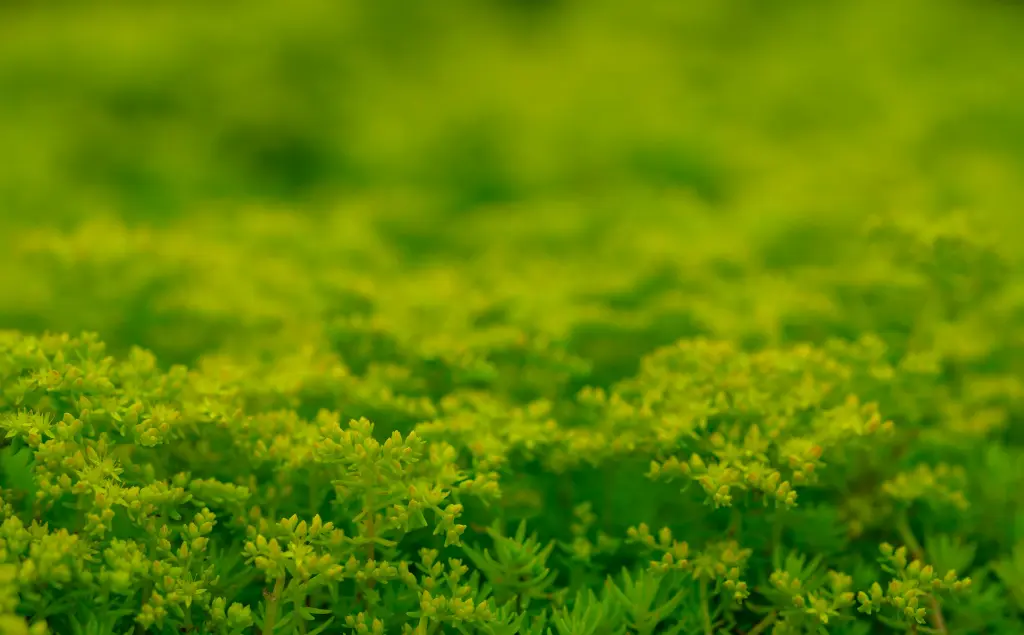
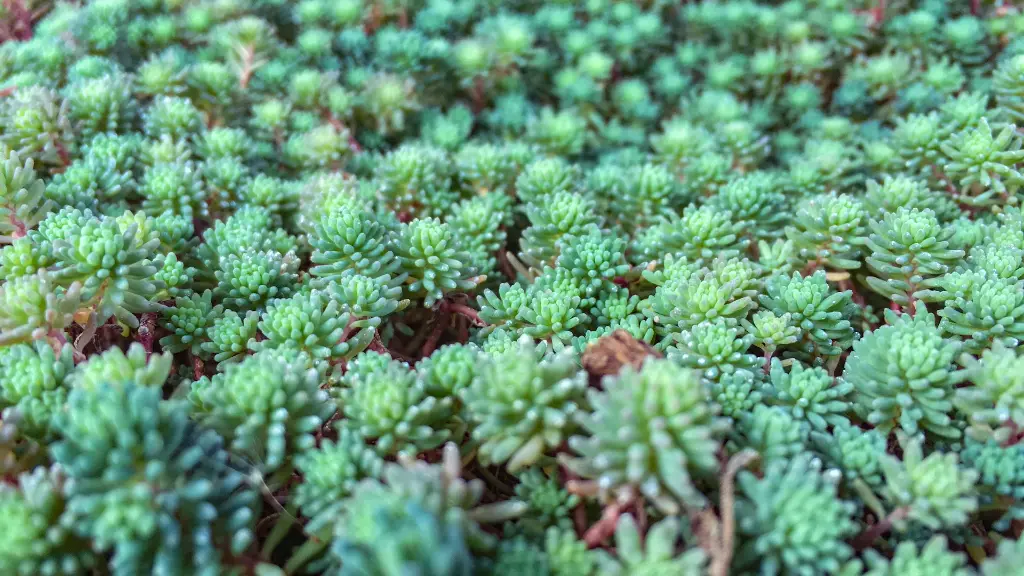
The slender, elongated leaves of Sedum lineare are fleshy and water-retentive, allowing the plant to survive extended dry periods. Their bright green color provides a striking contrast in both indoor and outdoor settings.
Trailing and Spreading Stems
This species produces long, creeping stems that root easily along the nodes when they come into contact with soil. This ability makes it highly effective as a ground cover or cascading plant in containers.
Tiny Star-Shaped Flowers
During summer, mature plants may produce small yellow star-shaped flowers that bloom at the tips of stems. These blooms add seasonal interest and attract pollinators, enhancing the plant’s ecological value.
Drought-Tolerant Structure
As a succulent, Sedum lineare stores water in its leaves and stems, making it exceptionally resistant to drought and ideal for xeriscaping projects.
Functional Benefits
Low Maintenance
Requires minimal care, making it suitable for busy gardeners, office environments, and indoor planters.
Drought Resistance
Thrives with little water, making it ideal for dry climates, sunny patios, and rooftop gardens.
Versatile Usage
Perfect for hanging baskets, terrariums, rock gardens, green roofs, and as a decorative edge in container plantings.
Soil Stabilization
Its spreading growth habit helps control erosion and stabilize soil in sloped landscapes.
Year-Round Visual Appeal
Bright green foliage provides consistent greenery throughout the year, with summer blooms adding additional charm.
Growth and Environmental Requirements
Light Requirements
Prefers full sun to partial shade.
- Full sun encourages compact growth and vibrant foliage.
- Can tolerate partial shade but may become leggy.
- Indoor placements near bright windows are ideal for container-grown plants.
Soil Requirements
Sedum lineare thrives in well-draining soil.
Recommended medium:
- Cactus or succulent mix
- Sandy or rocky substrates
- Soil amended with perlite for enhanced drainage
Avoid waterlogged soils, which can cause root rot.
Watering Requirements
- Follow a “soak and dry” approach.
- Allow soil to dry completely between watering sessions.
- Water sparingly during winter dormancy.
Excessive watering is the most common cause of decline in this succulent.
Temperature Preferences
- Thrives in mild to warm climates, between 15°C and 30°C.
- Tolerates occasional light frost but prefers protection below 5°C.
Humidity Requirements
- Performs well in low to moderate humidity.
- Ideal for both indoor and outdoor environments, including dry urban conditions.
Essential Care Practices
Pot Selection
Use containers with drainage holes to prevent standing water and protect the roots.
Cleaning and Grooming
Trim leggy or overgrown stems to maintain a tidy appearance and encourage compact growth.
Fertilization
- Apply a diluted succulent fertilizer during the growing season (spring and summer).
- Fertilize once every 4–6 weeks for optimal growth.
- Avoid feeding during winter.
Propagation
Propagation is simple and highly successful:
- Stem Cuttings: Place healthy stem cuttings in dry soil until roots develop.
- Division: Separate clusters of stems and replant individually.
- Rooting Nodes: Trailing stems that touch the soil will root naturally over time.
Common Problems and Solutions
Yellowing Leaves
Cause: Overwatering or poor drainage
Solution: Reduce watering and repot in well-draining soil.
Leggy Growth
Cause: Insufficient sunlight
Solution: Move plant to brighter light or rotate regularly.
Root Rot
Cause: Standing water or soggy soil
Solution: Remove affected roots, improve drainage, and reduce watering frequency.
Pest Infestation
Occasionally affected by:
- Aphids
- Mealybugs
- Spider mites
Prompt treatment with insecticidal soap or neem oil typically resolves infestations.
Interior and Landscape Applications
- Trailing over hanging baskets indoors
- Rock gardens and pathways
- Rooftop and terrace gardens
- Edge planting in containers or raised beds
- Green walls and living murals
- Indoor terrariums and decorative planters
Its trailing habit and vibrant green color make it ideal for both functional and ornamental uses.
Quick Care Summary
| Feature | Requirement |
|---|---|
| Light | Full sun to partial shade |
| Watering | Allow soil to dry completely between watering |
| Soil | Well-draining cactus or succulent mix |
| Temperature | 15°C–30°C; protect below 5°C |
| Humidity | Low to moderate |
| Fertilizer | Every 4–6 weeks during growing season |
| Growth Habit | Trailing and spreading |
| Maintenance Level | Very Low |
| Propagation | Stem cuttings, division, natural rooting |
| Bloom | Small yellow star-shaped flowers in summer |
Conclusion
Sedum lineare is a highly adaptable, low-maintenance succulent suitable for both indoor and outdoor settings. Its trailing stems, needle-like leaves, and occasional blooms make it visually appealing, while its drought tolerance and hardiness make it extremely practical. Whether cascading from a hanging basket, filling a rock garden, or covering a rooftop, this succulent provides a lush, evergreen presence that is easy to maintain and long-lasting.
Great stories have a personality. Consider telling a great story that provides personality. Writing a story with personality for potential clients will assist with making a relationship connection. This shows up in small quirks like word choices or phrases. Write from your point of view, not from someone else's experience.
Great stories are for everyone even when only written for just one person. If you try to write with a wide, general audience in mind, your story will sound fake and lack emotion. No one will be interested. Write for one person. If it’s genuine for the one, it’s genuine for the rest.
WANDERING JEW
Rhoeo Plant – Rhoeo discolor (Tricolor / Variegated)
The Rhoeo discolor, popularly known as the Tricolor Rhoeo or Variegated Rhoeo, is a vibrant perennial that effortlessly adds color and texture to any indoor or outdoor space. Its eye-catching foliage showcases a mix of green, white, and purple hues, making it a natural statement piece. Compact yet resilient, the Rhoeo is ideal for windowsills, tabletops, garden borders, or as a ground cover in tropical landscapes.
This plant isn’t just about aesthetics. Known for its hardiness, the Rhoeo thrives in a variety of conditions, tolerates drought, and requires minimal maintenance, making it perfect for beginners and busy gardeners alike.
Why Rhoeo Stands Out
- Striking Foliage: A lively mix of green, white, and purple leaves that can brighten any space.
- Adaptable: Tolerates a range of light levels—from partial shade to bright, indirect sunlight.
- Low Maintenance: Thrives with minimal attention, making it perfect for indoor or outdoor setups.
- Air Purifier: Helps improve indoor air quality by filtering pollutants.
- Eco-Friendly: Drought-tolerant and hardy in poor soil, supporting sustainable gardening practices.
Growing Guidelines
- Soil: Use well-draining soil to avoid root rot; a mix of potting soil and perlite works well.
- Light: Prefers bright, indirect light but can handle partial shade.
- Watering: Water only when the top inch of soil feels dry; overwatering can harm the plant.
- Temperature: Ideal growth occurs in 60°F–80°F (15°C–27°C).
Care Tips
- Remove infected leaves for proper growth and good look.
- Dust the leaves occasionally to maintain healthy photosynthesis.
- Repot every 1–2 years to provide fresh soil and space for roots.
- Monitor for pests like spider mites and aphids; treat with mild insecticidal soap if necessary.
Propagation
Expanding your Rhoeo collection is simple:
1. Cut a healthy leaf or stem section.
2. Allow the cut end to dry slightly (callous).
3. Plant it in moist, well-draining soil and wait for roots to establish.
Within weeks, you’ll have new plants ready to flourish in your space.
Placement & Styling
- Indoor Accent: Perfect for brightening up shelves, corners, or tabletops.
- Outdoor Landscapes: Adds color to garden borders, planters, or as low-maintenance ground cover.
- Mixed Plant Displays: Pair with green foliage or flowering plants to highlight the Rhoeo’s vibrant colors.
Fun Facts
- Often called “Moses-in-the-bulrushes” due to the shape of its leaves.
- Part of the Commelinaceae family, related to other popular tropical plants.
- Can flourish in low-light indoor spaces, making it ideal for apartments or offices.
- Plant that contains medicinal value.
Varieties
- Tricolor Rhoeo: Showcases green, white, and purple shades.
- Variegated Rhoeo: Features cream or white-edged leaves with subtle purple accents.
Choose based on your color preference—or grow both for maximum visual impact!
Rhoeo Benefits
- Pet-Friendly: Non-toxic to cats and dogs.
- Air-Purifying: Helps filter indoor pollutants.
- Low Effort: Thrives on minimal care, ideal for busy plant parents.
- Aesthetic Appeal: Adds vibrant color, texture, and a tropical vibe to your space.
Landscaping Uses
Rhoeo is a versatile plant in gardens and patios:
- Works well as border plants or ground cover.
- Provides color contrast against green foliage.
- Thrives in planters, hanging baskets, or container gardens.
Summary
The Rhoeo discolor is a resilient, colorful, and easy-to-care-for plant that can transform any space into a lively tropical paradise. Its vibrant leaves, adaptability, and low-maintenance nature make it a favorite among gardeners of all levels. Whether used indoors or outdoors, as a decorative accent or as part of a garden bed, the Rhoeo adds a splash of color and a touch of exotic charm wherever it grows.