
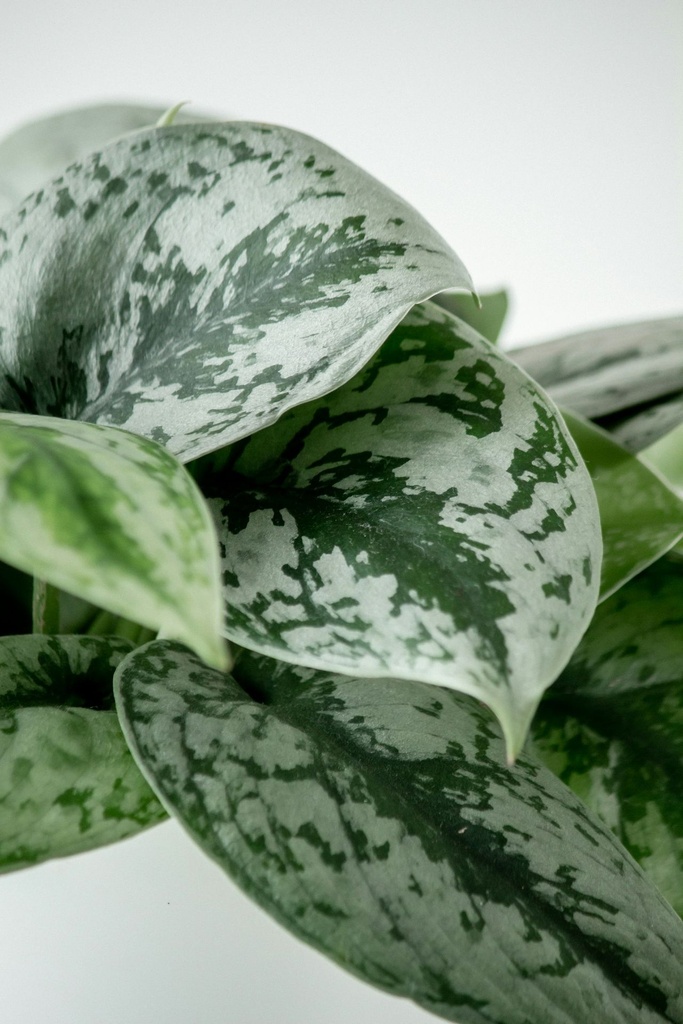
Satin Pothos (Scindus pictus)
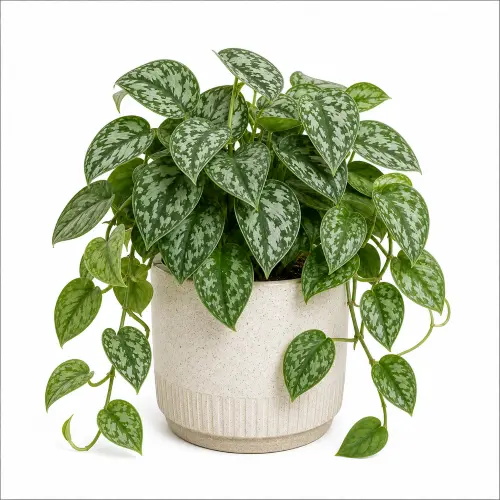
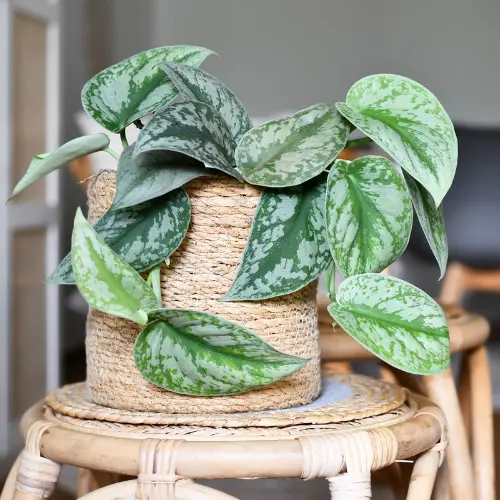
The Satin Pothos (Scindus pictus), frequently grown as the Silver Pothos, is a graceful, elegant tropical vine prized for its dense trailing habit of matte, variegated leaves and flexible, cascading stems. A staple of modern interior design, this classic evergreen perennial brings a sophisticated, cascading presence into cozy apartments, bright offices, and shelf arrangements.
Plant Overview
- Product Name: Satin Pothos / Silver Pothos (Scindus pictus)
- Category: Houseplants, Trailing Vines, and Evergreen Perennials
- Product Type: Live evergreen tropical vine
- Form / Texture: Vining, climbing structure with a cascading habit, flexible green stems, and a dense arrangement of heart-shaped, velvety leaves with silvery-gray markings
- Suitable For: Hanging baskets, high shelves, bright offices, mantelpieces, and vertical moss poles
- Application: Small-to-medium interior greening, vertical architectural framing, and cascading shelf styling
Core Functions & Value
- Delivers an authentic, lush trailing aesthetic that scales beautifully down bookshelves or hanging planters.
- Softens harsh architectural lines and sharp furniture edges with its delicate, gently draping vines.
- Functions as an excellent long-term structural accent piece for minimalist or layered room layouts.
- Responds brilliantly to trimming, allowing growers to maintain a bushy shape, propagate new starts, or train it to climb up vertical supports.
Botanical Features
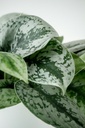
- Asymmetrical Foliage: Heart-shaped, leathery leaves that feature a matte texture and distinct, reflective silvery splotches.
- Slender Cascading Vines: Highly flexible, herbaceous stems that weep downward or climb upward using small aerial roots.
- Vibrant Green Stems: Clean, flexible vines that lengthen over time, creating a beautiful contrast against the silver-patterned foliage.
- Clear Sap: A clear internal fluid found throughout the stems and leaves that carries nutrients through the vining network.
Key Performance Traits
- Versatile Length: Capable of trailing anywhere from 3 to 10 feet long indoors, making a true visual statement.
- Dense Foliage Coverage: Packs numerous leaves close together along the vine, creating an effective natural indoor curtain or screen.
- Long Lifespan: With stable conditions, individual vines can thrive inside the same household for decades.
- Flexible Vine Framework: Does not require heavy supportive staking unless intentionally trained to climb a vertical moss pole.
Cultivation Requirements
- Light: Demands consistent bright, filtered indirect sunlight; can adapt to lower light conditions, but loses its vibrant silver variegation in dim corners.
- Soil: Requires a rich, well-aerated, standard peat-based potting soil mixed with perlite or orchid bark to guarantee swift water passage.
- Moisture: Prefers a reliable baseline of moisture; water thoroughly once the top few inches of soil become dry, never letting the root ball parch completely.
- Temperature: Flourishes in steady warmth between 18°C and 24°C; highly vulnerable to sudden chilly drops below 15°C.
Care Instructions
- Select a permanent home for the vine and avoid frequent relocations; spatial disruption can trigger minor growth stalls.
- Water until liquid drains freely from the base holes, then immediately empty the collecting saucer to avoid waterlogging the roots.
- Keep the plant far away from drafty windows, entry doors, or active air conditioning and heating vents.
- Feed with a nitrogen-rich liquid houseplant fertilizer diluted to half-strength once a month during the spring and summer.
Primary Applications
- Empty bookshelf edges and structural wall alcoves.
- Bright corporate offices, cubicles, and reception desks.
- Sun-drenched indoor patios, terrariums, and sunrooms.
- Visual room dividers when hung in rows for large, open-concept home designs.
- Vertical wall styling through intentional moss pole training.
Strategic Pros
- Highly customizable shape: Tolerates heavy trimming to maintain a specific length or a bushier top profile.
- Exceptionally long-lived asset: Appreciates in visual value as the vines grow longer and denser.
- Lush texture: Creates a matte, velvety look that glossy-leaved houseplants cannot replicate.
- Sturdy vine structure: Resists breaking or snapping easily under its own weight when trailing.
Risks & Limitations
- Toxicity Warning: The plant contains calcium oxalate crystals, making it toxic to dogs, cats, and horses, and a potential skin irritant to humans upon direct exposure to sap.
- Drama-Prone Habits: Infamous for curling its leaves tightly overnight in response to minor underwatering or sudden environmental drops.
- Root Rot Vulnerability: Prolonged saturated soil conditions cause rapid root suffocation, leading to leaf yellowing, browning, and vine dieback.
- Pest Attraction: Scale insects, mealybugs, and spider mites can hide easily within the dense, overlapping canopy if air circulation is stagnant.
Handling & Upkeep Tips
- Prune dead or leggy interior vines in late winter using sharp shears to maximize light penetration and promote bushier top growth.
- Wipe or gently mist the canopy occasionally to keep dust from blocking light intake on the matte leaf surfaces.
- If sudden leaf curling occurs, resist the urge to drown the plant; check the soil moisture, maintain a regular schedule, and wait for the leaves to unfurl.
Prevention & Operational Safety
- Wear protective gloves while pruning to prevent any internal juices from contacting bare, sensitive skin.
- Ensure individuals with severe plant sensitivities avoid direct contact with the vine's internal fluids during propagation.
- Always secure hanging baskets to sturdy ceiling anchors to prevent the heavy, mature trailing vines from pulling the container down.
Ideal Use-Cases
- Cozy, sun-drenched rooms with high shelves or wall planters.
- Experienced plant owners who understand balancing soil moisture.
- Offices with consistent, automated climate controls.
- Pet-free interior spaces needing a dramatic cascading focal point.
- Indoor atriums and bright plant shelf staging.
Interesting Trivia
- In its native tropical rainforest habitats across Southeast Asia, Scindapsus pictus can climb up tree trunks using its aerial roots, with leaves growing significantly larger than they do indoors.
- Despite being widely called "Silver Pothos," it belongs to a completely different botanical genus (Scindapsus) than true Pothos (Epipremnum).
Summary
The Satin Pothos remains an icon of modern interior design for its unmatched ability to bring a true, cascading vine canopy indoors. While it can be sensitive to overwatering and cold drafts, providing a stable, bright location and a careful watering routine ensures this elegant vine remains a lush centerpiece for years to come.
References
- North Carolina Extension Gardener Plant Toolbox. (n.d.). Scindapsus pictus (Satin Pothos, Silk Pothos, Silver Pothos). North Carolina State University. https://plants.ces.ncsu.edu/plants/scindapsus-pictus/
- Royal Horticultural Society. (n.d.). Scindapsus pictus 'Argyraeus' (Satin Pothos). RHS Gardening. https://www.rhs.org.uk/plants/119870/scindapsus-pictus-argyraeus/details
- Royal Horticultural Society. (n.d.). Scindapsus pictus 'Trebie'. RHS Gardening. https://www.rhs.org.uk/plants/387008/scindapsus-pictus-trebie/details