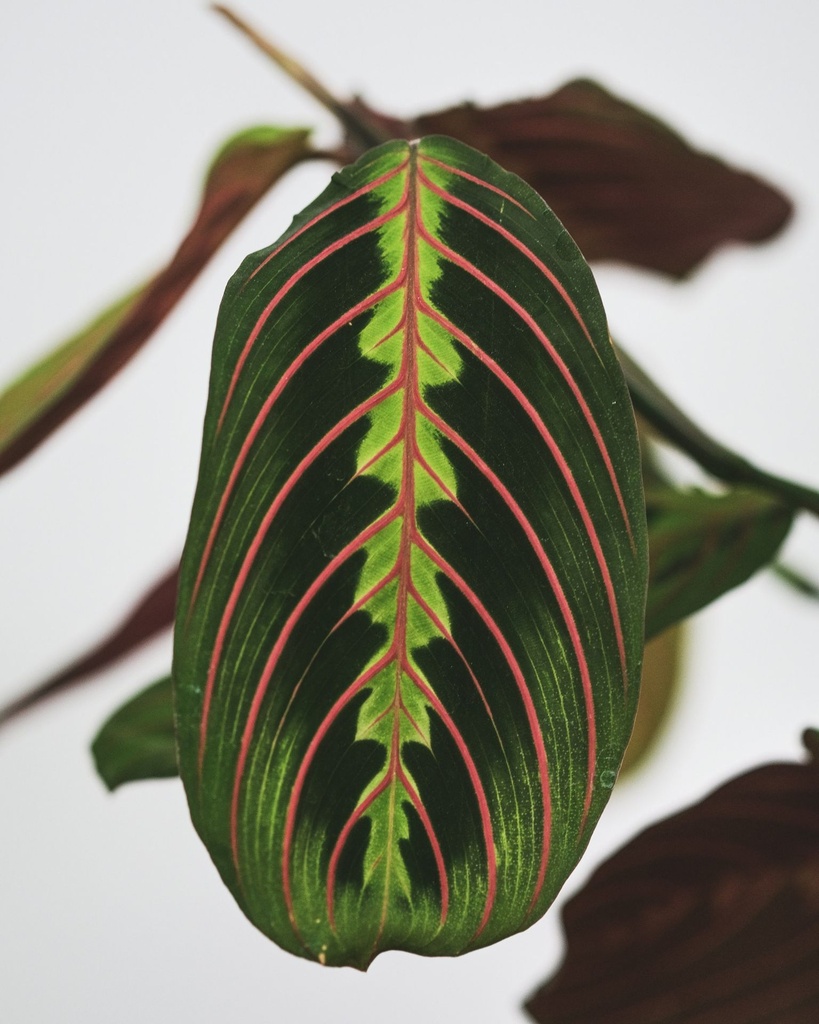
Prayer plant
SWEDISH IVY
Plectranthus verticillatus – Lush Trailing Houseplant
Swedish Ivy, despite its name, is neither from Sweden nor a true ivy. Native to Southern Africa, this charming perennial is beloved for its thick, scalloped green leaves and its graceful trailing habit. It is an exceptionally beginner-friendly plant, known for its vigorous growth and ability to thrive in a variety of indoor environments.
Why This Plant Stands Out
Swedish Ivy is the ultimate "confidence booster" for new gardeners. It grows with incredible speed, quickly cascading over the sides of pots to create a lush, jungle-like feel. Its vibrant, glossy foliage stays green year-round, and under the right conditions, it produces delicate white or pale lavender flowers.
Key Highlights
- Rapid Trailing Growth: Perfect for hanging baskets and tall shelves.
- Aromatic Foliage: Leaves have a mild, pleasant scent when crushed.
- Highly Forgiving: Bounces back quickly from occasional neglect.
- Easy to Shape: Responds well to pruning for a bushier look.
- Thrives Indoors: Adapted to standard home humidity and light.
Growing Requirements
| Factor | Requirement |
| Soil | Use a light, peat-based potting mix that retains some moisture but drains well. |
| Light | Prefers bright, indirect light; direct afternoon sun can scorch the leaves. |
| Water | Keep soil consistently moist. Water when the top inch of soil feels dry. |
| Temperature | Prefers stable room temperatures between 60–75°F (15–24°C). |
Care Guidelines
- Pruning: Pinch back the tips of the stems regularly to encourage branching and prevent "legginess."
- Feeding: Apply a balanced liquid houseplant fertilizer once a month during the spring and summer.
- Repotting: These fast growers usually need a larger pot or fresh soil every 1–2 years.
- Humidity: While adaptable, it appreciates an occasional misting or a humid room like a kitchen.
Uses & Placement
- Hanging Baskets: The best way to showcase its cascading stems.
- Office Plant: Tolerates fluorescent lighting better than many other species.
- Summer Annual: Can be used in shaded outdoor containers during warm months.
- Gift Plant: Because it is so easy to propagate, it is a favorite for sharing with friends.
Interesting Plant Facts
- Royal History: It gained popularity in Sweden (hence the name) as a common household gift.
- Creeping Habit: In its native habitat, it acts as a lush groundcover.
- Flower Power: While grown for foliage, it produces small, tubular blossoms on upright spikes.
- Mint Relative: It belongs to the Lamiaceae (mint) family, which explains its square stems.
Propagation Made Easy
Swedish Ivy is one of the easiest plants to propagate. Simply snip a stem cutting with a few leaves, place it in a glass of water, and you will see roots develop within days. No rooting hormone is needed; the plant is naturally eager to grow.
Watering Advice
While Swedish Ivy likes moisture, it does not like "wet feet." Overwatering can lead to root rot and yellowing leaves. If the leaves look slightly wilted or lose their shine, it is usually a sign that the plant is thirsty.
Safety Note
Unlike many common houseplants, Swedish Ivy is generally considered non-toxic to cats and dogs, making it a safer choice for pet owners.
Growth Habit & Longevity
With regular pruning and bright light, Swedish Ivy can live for many years. Because it roots so easily from cuttings, you can "refresh" your plant indefinitely by starting new ones from the parent stems.
Growth Habit & Longevity
With regular pruning and bright light, Swedish Ivy can live for many years. Because it roots so easily from cuttings, you can "refresh" your plant indefinitely by starting new ones from the parent stems.