

SWEDISH IVY
Plectranthus verticillatus – Swedish Ivy
A Graceful, Trailing Green for Every Space
Plectranthus verticillatus, widely known as Swedish Ivy, is a fast-growing foliage plant valued for its glossy, scalloped leaves and flowing vines. It belongs to the mint family and originates from southern Africa, where it naturally spreads along the forest floor and rocky slopes.
This plant that can be grown as an indoor and outdoor plant. The plant that can be cultivated in garden pots and hangings.
What Makes Swedish Ivy Special?
- Attractive trailing stems that soften any space
- Thrives in varied light conditions
- Easy care and forgiving growth habits
- Naturally freshens indoor air
- This plant was low maintance plant
This plant offers lush greenery without demanding constant attention.
Appearance & Growth Habit
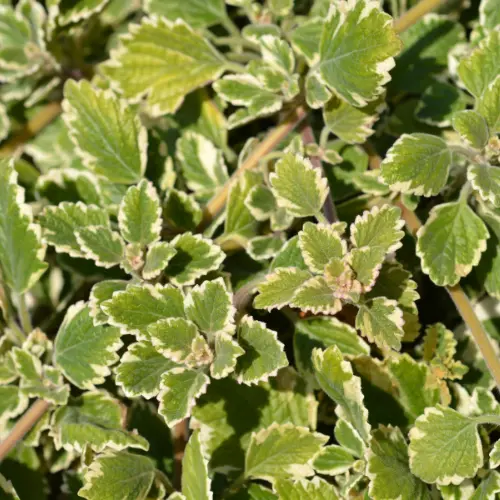
Swedish Ivy features rounded, slightly glossy leaves with gently scalloped edges. The stems cascade gracefully, reaching lengths of up to 90 cm (3 feet) under ideal conditions. When allowed to trail, it creates a full, layered look; when pruned regularly, it forms a compact and bushy plant.
Small, pale purple or lavender flowers may appear during cooler seasons, adding a subtle decorative touch.
Light & Placement
Light Preference
Bright, indirect light encourages the healthiest growth, though Swedish Ivy also tolerates partial shade.
Best Locations
- Near east- or north-facing windows
- Hanging planters in well-lit rooms
- Shaded patios or balconies
- Office desks with indirect light
Place the pant in indirect sunlight to protect the plant.
Watering & Soil Needs
- Water when the top layer of soil feels dry
- Keep soil lightly moist, not soggy
- Use pots with drainage holes
- Choose a loose, well-draining potting mix
Overwatering is the most common issue, so allow excess moisture to drain freely.
Feeding & Maintenance
Fertilizer
Apply limited amount of fertilizer at every 4-5 weeks interval of time.
Pruning
Regular trimming helps maintain shape, encourages branching, and prevents leggy growth. Pruned stems can be reused for propagation.
Repotting
Refresh soil or move to a slightly larger pot every 1–2 years.
Easy Propagation
Swedish Ivy is one of the easiest plants to multiply:
1. Cut a healthy stem below a leaf node
2. Place in water or moist soil
3. Roots develop within 2–3 weeks
This makes it perfect for sharing with friends or expanding your indoor garden.
Uses & Styling Ideas
- Hanging baskets for cascading greenery
- Window boxes and railing planters
- Ground cover in shaded outdoor areas
- Soft accent plant for shelves and tabletops
- Indoor air-refreshing décor
Its flowing form pairs beautifully with upright or structured plants.
Pet Safety
Swedish Ivy is generally considered non-toxic to pets, making it a safer choice for households with cats and dogs. However, it’s always best to discourage chewing.
Fun Facts 🌿
- The origin of this plant is Africa
- Belongs to the mint family (Lamiaceae)
- Known for fast growth in warm conditions
- Often passed down as a “friendship plant” due to easy propagation
Common Issues & Quick Fixes
Yellowing leaves
→ Reduce watering and improve drainage
Leggy growth
→ Increase light and prune regularly
Pests (aphids, spider mites)
→ Treat with neem oil or insecticidal soap
Final Thoughts
Plectranthus verticillatus (Swedish Ivy) is a reliable, elegant plant that brings softness and movement to any setting. Its easy-going nature, lush foliage, and trailing form make it a favorite for beginners and experienced plant lovers alike.
Whether cascading from a hanging basket or brightening a windowsill, Swedish Ivy adds timeless greenery with minimal effort.