Tangled Heart Vine
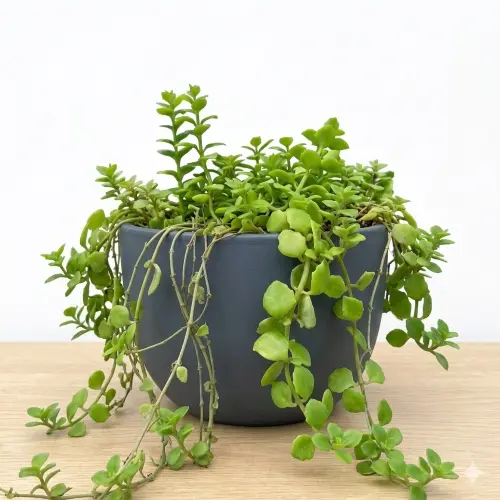
The Tangled Heart Vine (Plectranthus prostratus, formerly classified as Plectranthus prostratus or often confused with Crassula variations), also known as the Pillow Plant or Succulent Swedish Ivy, is a charming, fast-growing trailing succulent. Characterized by its dense cascades of tiny, flesh-toned, heart-shaped leaves along delicate purple stems, this plant is a favorite for vertical styling, hanging baskets, and low-maintenance indoor greening.
Plant Overview
- Product Name: Tangled Heart Vine (Plectranthus prostratus)
- Category: Houseplants, Succulent Vines, and Hanging Foliage
- Product Type: Live evergreen trailing succulent perennial
- Form / Texture: Pendent, cascading, or mat-forming habit featuring small, plump, cushion-like heart leaves on thread-like creeping vines
- Suitable For: Hanging planters, high wall shelves, macrame hangers, windowsills, and indoor vertical gardens
- Application: Ornamental indoor trailing decor, high-density shelf softening, and rapid vertical foliage accenting
Core Functions & Value
- Produces long, elegant, curtain-like drapes of green hearts extremely quickly compared to other trailing houseplants.
- Acts as a soft, space-saving vertical accent that maximizes unused high spots in rooms without taking up valuable table real estate.
- Requires minimal root volume, thriving in small, lightweight decorative containers and hanging bowls.
- Forgives minor irrigation oversights due to the water-storing capabilities of its plump, succulent foliage.
Botanical Features
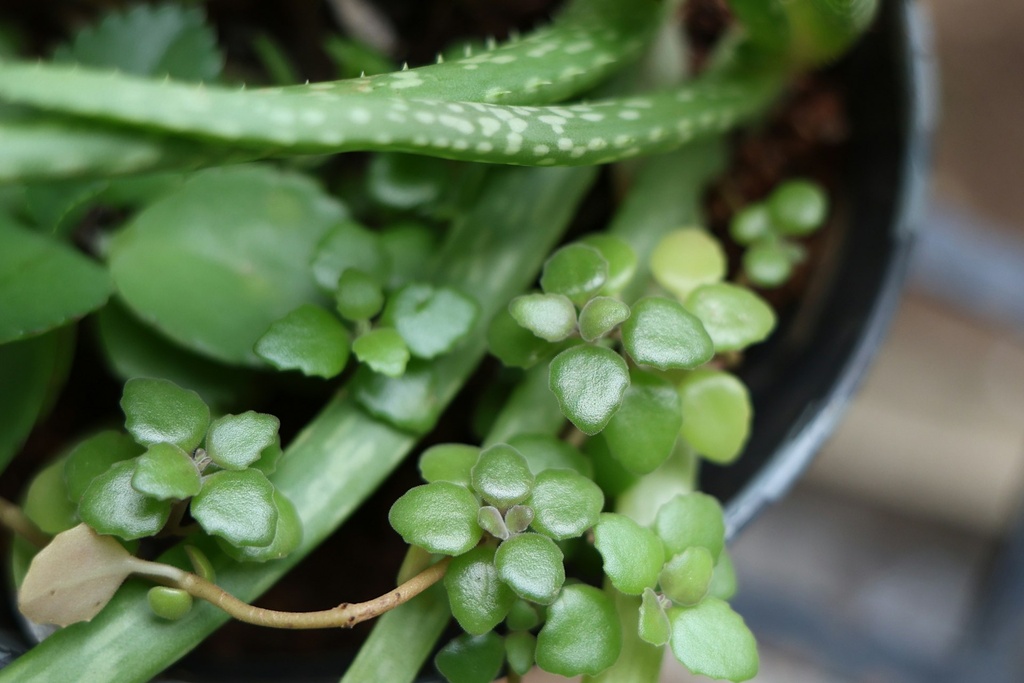
- Cordate Succulent Leaves: Tiny, thick, reverse-heart-shaped leaves that store moisture reserves, often showing a soft, velvety texture.
- Creeping Stems: Slender, highly flexible stems that blush deep purple color when exposed to optimal lighting.
- Fibrous Shallow Roots: A delicate, compact root network that expands horizontally near the soil surface rather than digging deeply.
- Miniature Blossoms: Tiny, two-lipped pale violet or white flowers that emerge along the vine tips during the warm summer months.
Key Performance Traits
- Aggressive Trailing Speed: Stems elongate rapidly during the growing season, quickly forming a dense, intertwined curtain.
- Excellent Water Efficiency: Fleshy leaves naturally seal in moisture, reducing the frequency of necessary water applications.
- High Propagative Success: Nodes root almost instantly when they touch moist soil or water, making cloning effortless.
- Lightweight Architecture: The delicate vines don't put heavy physical stress on hanging hardware or mounting fixtures.
Cultivation Requirements
- Light: Flourishes in bright, indirect sunlight or mild morning sun; extreme, direct afternoon heat can scorch the leaves, while low light stretches the gaps between hearts.
- Soil: Demands an exceptionally porous, rapidly draining substrate, such as a high-grade cactus and succulent mix cut with perlite or coarse sand.
- Moisture: Follows a strict dry-down cycle; allow the potting medium to dry out almost entirely before watering thoroughly.
- Temperature: Prefers warm room conditions between 16°C and 28°C; must be sheltered from freezing temperatures and cold window drafts.
Care Instructions
- Utilize a well-ventilated hanging basket or container featuring active bottom drainage holes to prevent standing water retention.
- Pour water evenly over the soil surface until it flows out the base, then ensure the container does not sit in a saturated drainage dish.
- Water from the base or beneath the foliage canopy when possible to keep wet droplets from rotting the dense mat of top leaves.
- Apply a balanced succulent fertilizer diluted to quarter-strength once every two months during the active spring and summer growth cycle.
Primary Applications
- High-perch living room bookshelves and curtain rods.
- Cascading kitchen windowsill displays.
- Hanging porch baskets and sheltered balcony dividers (in warm seasons).
- Miniature landscape groundcovers inside shallow dish gardens.
- Modern bohemian interior design accenting.
Strategic Pros
- Exceptional growth rate provides quick gratification for beginners wanting a long trailing look.
- Rarely suffers from leaf-drop cycles if left in one consistent, brightly lit location.
- Requires very little soil depth, allowing for creative placements in non-traditional decorative holders.
Risks & Limitations
- Highly susceptible to stem-base rot if the soil remains constantly soggy, heavy, or unvented.
- The delicate, slender vines can tangle easily into tight knots if exposed to heavy, turbulent indoor wind currents or rough handling.
- Stems become weak, brittle, and sparse if forced to grow in dark, windowless interior rooms.
- Very sensitive to frost; cold winter .
Handling & Upkeep Tips
- Prune the trailing ends regularly with sharp scissors to encourage the plant to push out side branches and maintain a full, bushy crown.
- Propagate trimmed vines simply by trimming a 4-inch section, removing the lower leaves, and pressing the bare stem nodes into moist potting mix.
- Avoid brushing against the vines frequently, as the fluid-filled stems can snap away under sudden physical pressure.
Prevention & Operational Safety
- Always use clean, sterilized cutting tools when pruning to avoid introducing opportunistic fungal pathogens into fresh vine wounds.
- Ensure the hanging hardware is securely fastened to wall or ceiling anchors, as the plant gains weight after a deep watering session.
- Monitor hidden leaf undersides during dry winter months for occasional mealybug or aphid colonization.
Ideal Use-Cases
- Macrame hanger displays in sunlit corners
- High shelves needing a rapid drapery of green
- Gift plants for succulent lovers wanting a trailing variety
- Small apartments with limited floor space
- Bright, warm sunrooms and enclosed porches
Interesting Trivia
- The common name "Tangled Heart" comes from the plant's natural habit of weaving its vines together into a dense, net-like curtain as it cascades downward.
- Despite its succulent nature and trailing appearance mimicking the famous String of Hearts (Ceropegia woodii), this plant belongs to the mint and sage family (Lamiaceae), which explains its aromatic properties when leaves are crushed.
Summary
The Tangled Heart Vine is an outstanding choice for indoor gardeners seeking a fast, rewarding trailing display with minimal upkeep. By prioritizing excellent drainage, bright indirect light, and a careful hands-off watering routine, you can enjoy a lush, cascading waterfall of green hearts year-round.
Sources
- Royal Horticultural Society (RHS) - Plectranthus Care Guide: https://www.rhs.org.uk/plants/plectranthus
- North Carolina Extension Gardener - Succulent Plant Management: https://plants.ces.ncsu.edu/
- University of Florida IFAS Extension - Alternative Trailing Houseplants: https://edis.ifas.ufl.edu/