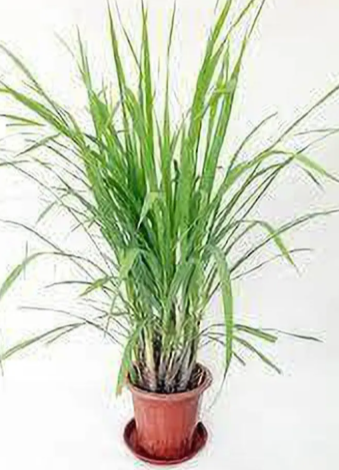
Lemon Grass
Lemon Grass Plant – The Aromatic Herb
Common Name: Lemon Grass
Scientific Name: Cymbopogon citratus
Plant Type: Perennial Grass, Aromatic Herb
Sunlight Requirements: Full sun (6+ hours daily)
Soil Requirements: Well-draining, slightly acidic to neutral (pH 6.0–7.0)
Watering: Keep soil moist but avoid waterlogging
Uses: Culinary, medicinal, aromatic, essential oil, insect repellent
Description
Lemon Grass is a tropical perennial grass prized for its fragrant, citrus-flavored leaves and culinary versatility. With tall, lush green stalks, this herb thrives in warm climates and adds a tropical flair to gardens and pots. Beyond its culinary uses, Lemon Grass has a long history of medicinal applications and is a popular ingredient in herbal teas, remedies, and aromatherapy.
Special Features
- Culinary Delight: Leaves impart a fresh, lemony flavor to soups, curries, teas, and marinades.
- Health Benefits: Rich in antioxidants and essential oils; supports digestion, reduces inflammation, and promotes relaxation.
- Aromatic : Used as essential oils for aromatherapy.
- Adaptable: to vast types of climate and soil and suitable for any gardener.
- Decorative Appeal: Adds lush greenery and texture to gardens, patios, or indoor containers.
Growing Instructions
- Soil: Use well-draining soil with moderate fertility and a slightly acidic to neutral pH.
- Sunlight: Provide at least 6 hours of direct sunlight daily.
- Spacing: Plant 24–36 inches apart to allow full growth.
- Watering: Keep soil consistently moist but avoid overwatering to prevent root rot.
Care Instructions
- Fertilization: Apply well balanced fertilizer at every 4–6 weeks interval during the growing season.
- Pruning: Trim old or dead leaves in early spring to encourage fresh growth.
- Pest Control: Monitor for pests like aphids or spider mites; treat with organic insecticides if necessary.
- Winter Care: In colder climates, bring potted plants indoors to protect from frost.
Uses and Applications
Culinary
- Fresh or dried leaves can flavor soups, curries, teas, stir-fries, and desserts.
- Adds a bright, citrusy note to marinades, herbal drinks, and sauces.
Medicinal & Wellness
- Lemon Grass tea supports digestion, aids relaxation, and promotes detoxification.
- Its essential oils have antibacterial and antifungal properties, offering natural remedies for minor ailments.
- Acts as a natural anti-inflammatory and antioxidant agent.
Aromatherapy & Skincare
- Essential oil can be used in diffusers for calming effects.
- Supports natural skincare routines due to antibacterial and soothing properties.
Gardening & Environmental
- Can act as a natural insect repellent when planted in gardens.
- Provides greenery and aesthetic appeal to landscapes and pots.
Fun Facts
- Lemon Grass has been used for centuries in Southeast Asian traditional medicine.
- Can grow 3–4 feet tall, giving gardens a tropical look.
- Its essential oil is prized for therapeutic and aromatic uses.
- A sustainable herb, requiring less water than many other garden plants.
Benefits
- Health: Antioxidant-rich, anti-inflammatory, digestive aid.
- Culinary: Enhances flavor and aroma in a wide range of dishes.
- Aromatic: Refreshing scent promotes relaxation and well-being.
- Gardening: Low-maintenance and resilient; adds tropical greenery to any space.
Propagation
- Division: Separate clumps of established plants and replant.
- Cuttings: Plant healthy stalks in moist soil to develop roots.
- Seeds: Less common; requires warm, well-drained soil and consistent moisture.
Varieties
- Cymbopogon citratus (Common Lemon Grass): Culinary and medicinal variety, most widely grown.
- Cymbopogon flexuosus (East Indian Lemon Grass): Taller with aromatic leaves, often used for essential oils.
Harvesting Tips
- Cut stalks at the base for use in cooking or teas.
- Leave some leaves behind to allow regrowth.
- Regular trimming encourages bushy growth and prolonged productivity.
Lemon Grass Tea & Recipes
- Brew fresh leaves in hot water for a fragrant, soothing tea.
- Use in soups, curries, and marinades for a citrusy punch.
- Incorporate into desserts or herbal drinks for added flavor and health benefits.
Environmental Impact
- Supports pollinators and beneficial insects.
- Acts as a natural air purifier and aromatic addition to indoor spaces.
Summary
Lemon Grass (Cymbopogon citratus) is a versatile herb that combines culinary, medicinal, and aromatic benefits with ease of growth and low maintenance. Its tropical foliage, refreshing aroma, and therapeutic properties make it a must-have for herb gardens, kitchens, and wellness enthusiasts alike.