JADE PLANT
Jade Plant – The Lucky Green Companion
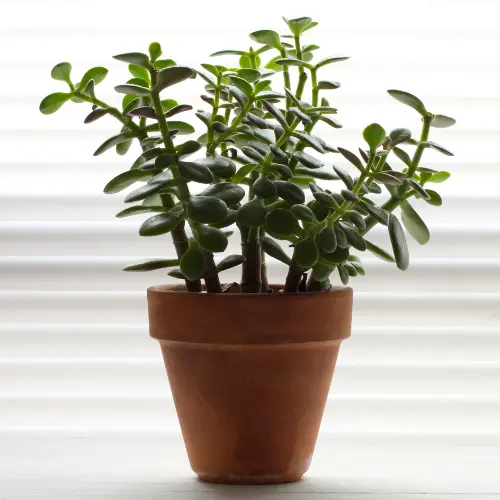
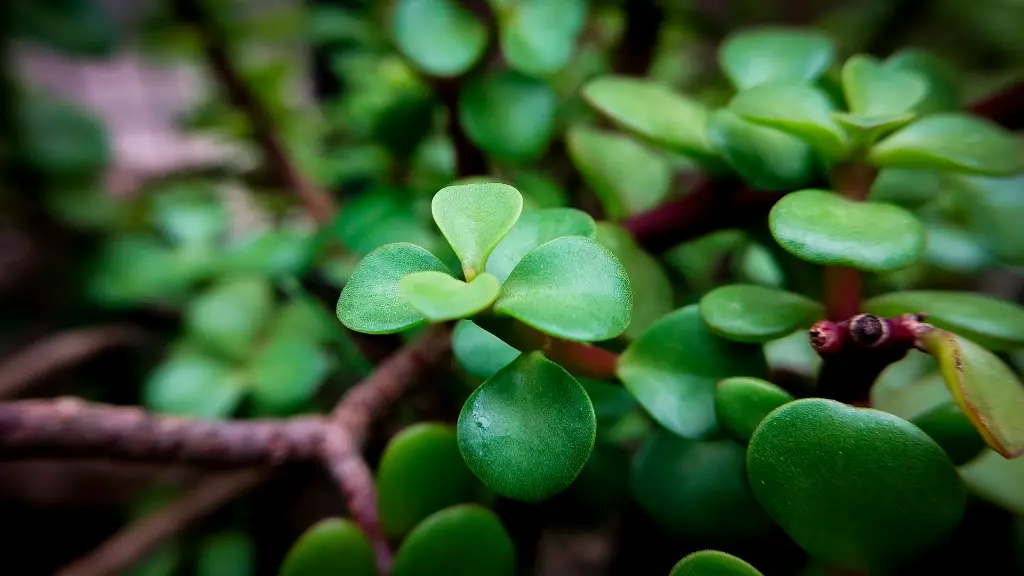
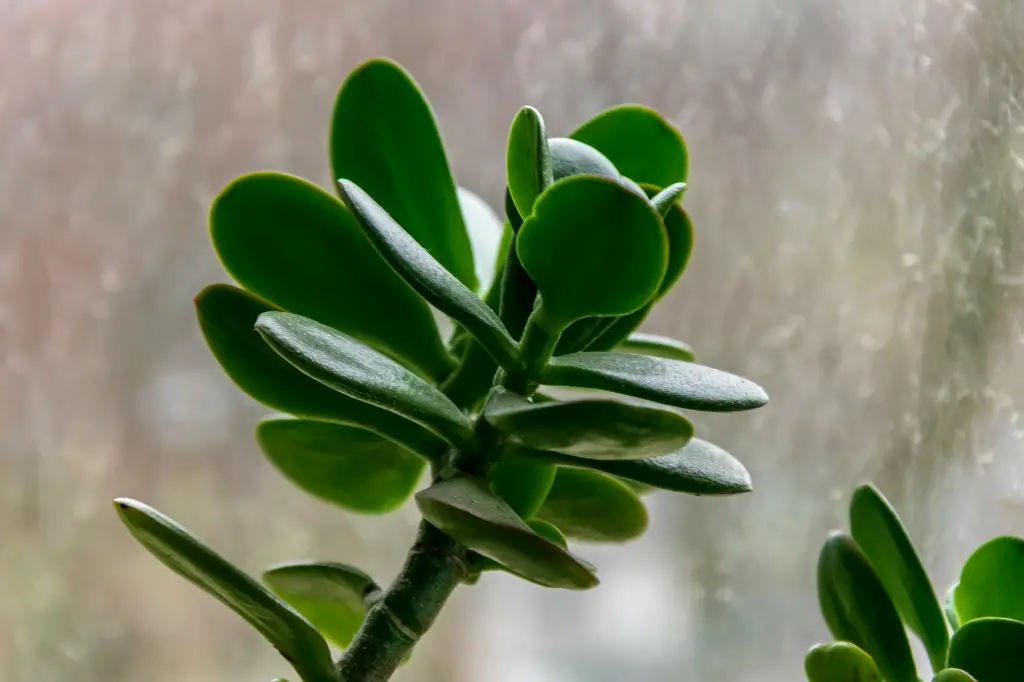
Meet the Jade Plant, a charming succulent that’s as resilient as it is beautiful. With its thick, glossy leaves and tree-like structure, this plant is often called the “money tree” and is believed to attract good fortune, prosperity, and positive vibes. Perfect for desks, living rooms, or windowsills, the Jade Plant brings a touch of nature and elegance wherever it grows.
Why the Jade Plant is Special
What sets the Jade Plant apart is its combination of longevity, low-maintenance care, and aesthetic appeal. Its plump, water-storing leaves make it drought-tolerant, ideal for busy lifestyles. Even in low light, it can thrive, making it a favorite for indoor gardens, office spaces, and Feng Shui enthusiasts alike.
Key Features
- Resilient & Long-Lived: The plant that can survive for an years.
- Air-Purifying: Helps improve indoor air quality.
- Easy Propagation: Leaf or stem cuttings root quickly.
- Pet-Friendly: Safe for households with furry companions.
- Decor Friendly: Adds a vibrant green accent to any space.
Care Instructions
Light: Prefers bright, indirect sunlight. Avoid harsh, direct rays.
Watering: Water sparingly; let soil dry out between waterings. Overwatering can harm the plant.
Soil: For proper growth of plant use well drained soil.
Fertilizer: Apply balanced fertilizer for plant growth at once in a month.
Repotting: Refresh soil every 2–3 years for optimal growth.
Leaf Care: Dust leaves occasionally to maximize photosynthesis.
Growth & Propagation
Jade Plants grow slowly but steadily, eventually developing a tree-like shape with thick branches. Propagation is simple: take a healthy leaf or stem, let it callous over for a day, then plant it in soil. Soon, a new succulent companion will sprout, perfect for gifting or expanding your collection.
Benefits of the Jade Plant
- Good Luck & Prosperity: Traditionally considered a symbol of wealth.
- Stress Relief: Adds greenery to boost mood and calm your surroundings.
- Low-Maintenance Beauty: Looks stunning without demanding constant attention.
Fun Facts
- Native to South Africa and Mozambique.
- The plant that can grow more than 100 years.
- Varieties include Hummel’s Sunset with golden-edged leaves and Gollum Jade with tubular foliage.
Pest Management
Keep an eye out for common succulent pests like mealybugs or aphids. Signs include cottony fluff or sticky residue. A mild neem oil spray or insecticidal soap will keep these uninvited guests away.
Light & Watering Tips
The Jade Plant thrives in bright, indirect sunlight. Too little light causes it to stretch, while too much direct sunlight can burn the leaves. Watering is a delicate balance—generally every 2–3 weeks works, but always check soil moisture first. Remember, Jade Plants prefer to be a little thirsty rather than soggy.
Indoor & Outdoor Uses
- Indoors: Perfect for desks, shelves, or windowsills to purify air and brighten up your space.
- Outdoors: Thrives in warm climates with plenty of sunlight. Bring it inside when temperatures drop to prevent frost damage.
Summary
The Jade Plant is a versatile, low-maintenance succulent that brings beauty, prosperity, and freshness to any environment. With its thick leaves, long lifespan, and easy care, it’s the ideal plant for beginners and seasoned gardeners alike. Invite a Jade Plant into your home, and you’ll have a green companion that looks great, purifies the air, and adds a little luck to your life.
Great stories have a personality. Consider telling a great story that provides personality. Writing a story with personality for potential clients will assist with making a relationship connection. This shows up in small quirks like word choices or phrases. Write from your point of view, not from someone else's experience.
Great stories are for everyone even when only written for just one person. If you try to write with a wide, general audience in mind, your story will sound fake and lack emotion. No one will be interested. Write for one person. If it’s genuine for the one, it’s genuine for the rest.
WANDERING JEW
Rhoeo Plant – Rhoeo discolor (Tricolor / Variegated)
The Rhoeo discolor, popularly known as the Tricolor Rhoeo or Variegated Rhoeo, is a vibrant perennial that effortlessly adds color and texture to any indoor or outdoor space. Its eye-catching foliage showcases a mix of green, white, and purple hues, making it a natural statement piece. Compact yet resilient, the Rhoeo is ideal for windowsills, tabletops, garden borders, or as a ground cover in tropical landscapes.
This plant isn’t just about aesthetics. Known for its hardiness, the Rhoeo thrives in a variety of conditions, tolerates drought, and requires minimal maintenance, making it perfect for beginners and busy gardeners alike.
Why Rhoeo Stands Out
- Striking Foliage: A lively mix of green, white, and purple leaves that can brighten any space.
- Adaptable: Tolerates a range of light levels—from partial shade to bright, indirect sunlight.
- Low Maintenance: Thrives with minimal attention, making it perfect for indoor or outdoor setups.
- Air Purifier: Helps improve indoor air quality by filtering pollutants.
- Eco-Friendly: Drought-tolerant and hardy in poor soil, supporting sustainable gardening practices.
Growing Guidelines
- Soil: Use well-draining soil to avoid root rot; a mix of potting soil and perlite works well.
- Light: Prefers bright, indirect light but can handle partial shade.
- Watering: Water only when the top inch of soil feels dry; overwatering can harm the plant.
- Temperature: Ideal growth occurs in 60°F–80°F (15°C–27°C).
Care Tips
- Remove infected leaves for proper growth and good look.
- Dust the leaves occasionally to maintain healthy photosynthesis.
- Repot every 1–2 years to provide fresh soil and space for roots.
- Monitor for pests like spider mites and aphids; treat with mild insecticidal soap if necessary.
Propagation
Expanding your Rhoeo collection is simple:
1. Cut a healthy leaf or stem section.
2. Allow the cut end to dry slightly (callous).
3. Plant it in moist, well-draining soil and wait for roots to establish.
Within weeks, you’ll have new plants ready to flourish in your space.
Placement & Styling
- Indoor Accent: Perfect for brightening up shelves, corners, or tabletops.
- Outdoor Landscapes: Adds color to garden borders, planters, or as low-maintenance ground cover.
- Mixed Plant Displays: Pair with green foliage or flowering plants to highlight the Rhoeo’s vibrant colors.
Fun Facts
- Often called “Moses-in-the-bulrushes” due to the shape of its leaves.
- Part of the Commelinaceae family, related to other popular tropical plants.
- Can flourish in low-light indoor spaces, making it ideal for apartments or offices.
- Plant that contains medicinal value.
Varieties
- Tricolor Rhoeo: Showcases green, white, and purple shades.
- Variegated Rhoeo: Features cream or white-edged leaves with subtle purple accents.
Choose based on your color preference—or grow both for maximum visual impact!
Rhoeo Benefits
- Pet-Friendly: Non-toxic to cats and dogs.
- Air-Purifying: Helps filter indoor pollutants.
- Low Effort: Thrives on minimal care, ideal for busy plant parents.
- Aesthetic Appeal: Adds vibrant color, texture, and a tropical vibe to your space.
Landscaping Uses
Rhoeo is a versatile plant in gardens and patios:
- Works well as border plants or ground cover.
- Provides color contrast against green foliage.
- Thrives in planters, hanging baskets, or container gardens.
Summary
The Rhoeo discolor is a resilient, colorful, and easy-to-care-for plant that can transform any space into a lively tropical paradise. Its vibrant leaves, adaptability, and low-maintenance nature make it a favorite among gardeners of all levels. Whether used indoors or outdoors, as a decorative accent or as part of a garden bed, the Rhoeo adds a splash of color and a touch of exotic charm wherever it grows.