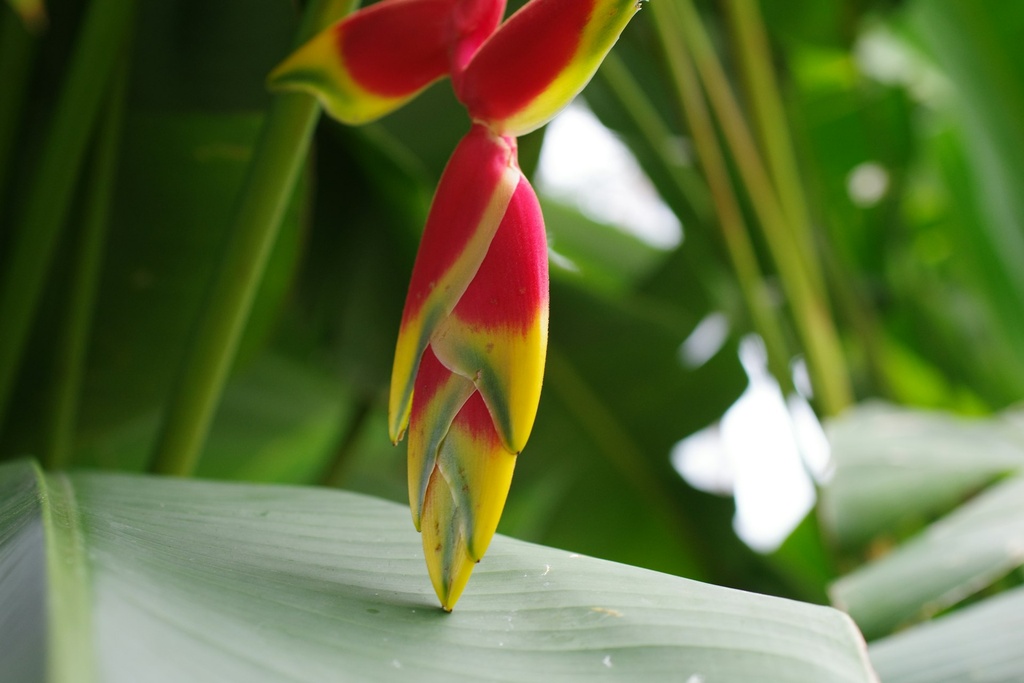
Heliconia rostrata
Heliconia rostrata – Tropical Hanging Beauty with Exotic Blooms
Heliconia rostrata, commonly known as the Hanging Lobster Claw, is a spectacular tropical flowering plant admired for its cascading red and yellow bracts that resemble hanging lobster claws. With its dramatic appearance and lush foliage, this plant instantly creates a bold tropical atmosphere in gardens, patios, and landscape spaces.
Native to the rainforests of Central and South America, Heliconia rostrata thrives in warm, humid climates and is prized for its long-lasting ornamental blooms and striking architectural form.
What Makes This Plant Special?
- Unique hanging flower bracts in vivid red and yellow tones
- Creates a lush tropical appearance instantly
- Large banana-like foliage adds dramatic greenery
- Excellent ornamental plant for gardens and landscapes
- Attracts hummingbirds, butterflies, and pollinators
Its exotic cascading flowers make it one of the most visually distinctive tropical plants in the world.
Growing Requirements
Soil
Prefers rich, fertile, well-draining soil with good organic content.
Consistently moist soil encourages healthy growth and flowering.
Light
Thrives in bright sunlight to partial shade.
Best flowering occurs with several hours of filtered or direct sunlight daily.
Temperature
Performs best in warm tropical temperatures between 20°C–35°C (68°F–95°F).
Sensitive to frost and prolonged cold conditions.
Care Guidelines
- Water regularly to keep soil evenly moist
- Mulch around the base to retain moisture and regulate soil temperature
- Feed monthly with a balanced fertilizer during active growth
- Remove damaged or old leaves to maintain appearance
- Protect from strong dry winds that may damage foliage
Where It Fits Best
- Tropical gardens and landscapes
- Resort-style outdoor décor
- Patio and courtyard planting
- Large decorative containers in warm climates
- Poolside and exotic-themed garden spaces
Its dramatic hanging flowers create a strong visual centerpiece wherever planted.
Did You Know? 🌺
- Heliconia flowers are actually colorful bracts, not true petals
- The plant is closely related to bananas and bird-of-paradise plants
- Hummingbirds are among its primary natural pollinators
- The hanging flower clusters can remain attractive for weeks
Propagation Made Easy
Heliconia rostrata is commonly propagated through rhizome division.
Healthy underground rhizomes can be separated and replanted to establish new plants quickly.
Common Issues & Solutions
Yellowing Leaves
May occur due to nutrient deficiency or poor drainage.
Solution: Improve soil fertility and ensure proper watering balance.
Poor Flowering
Usually caused by insufficient sunlight.
Solution: Move the plant to a brighter location with more sun exposure.
Dry Leaf Edges
Can result from low humidity or underwatering.
Solution: Increase watering frequency and maintain soil moisture.
Final Note
Heliconia rostrata is the ultimate tropical statement plant. Its cascading red-and-yellow blooms, oversized foliage, and exotic presence bring instant energy and lushness to outdoor spaces. Though bold in appearance, it rewards consistent care with spectacular displays year after year.
A living piece of the rainforest—Heliconia rostrata transforms ordinary gardens into vibrant tropical escapes.