


Pothos Plant (Epipremnum aureum)
The Pothos plant, scientifically known as Epipremnum aureum, is one of the most popular and versatile indoor plants worldwide. Often called Devil’s Ivy or Golden Pothos, this trailing vine is admired for its heart-shaped leaves, vigorous growth, and remarkable ability to thrive in a variety of indoor conditions. Its easy-care nature and attractive foliage make it a favorite among plant lovers, interior decorators, and beginners alike.
Whether draped elegantly from shelves, trained along trellises, or displayed in hanging baskets, Pothos adds lush greenery and a touch of tropical charm to any space.
Plant Overview
- Product Name: Pothos (Epipremnum aureum)
- Common Names: Devil’s Ivy, Golden Pothos, Money Plant
- Plant Category: Indoor Foliage Plant, Vine, Evergreen Perennial
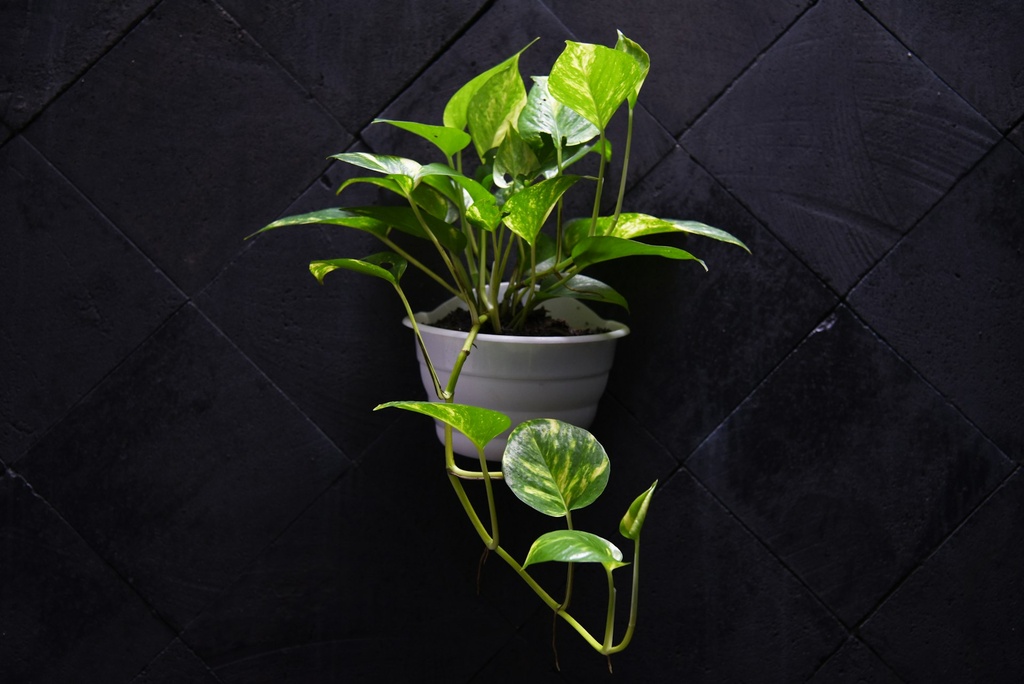
- Growth Habit: Trailing or climbing vine with long, cascading stems
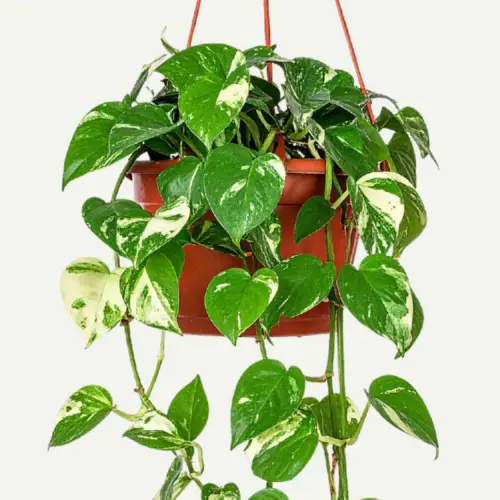
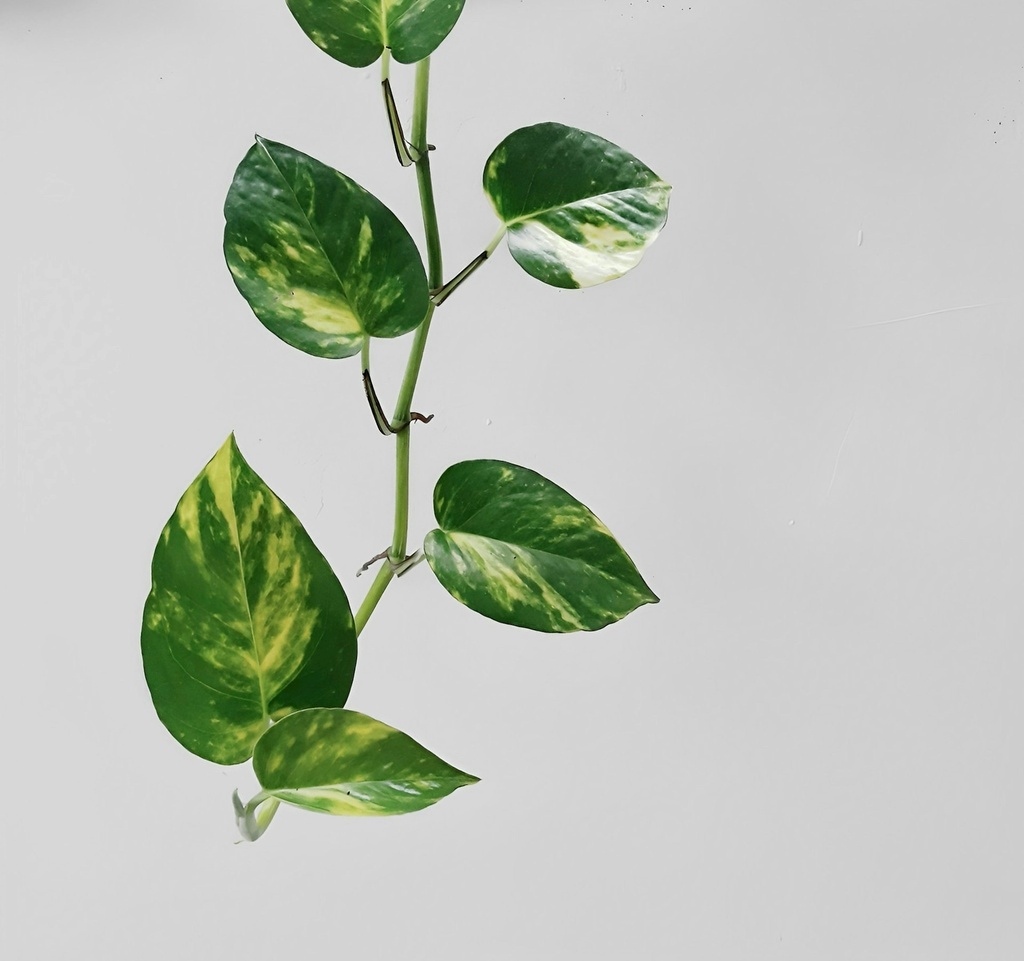
- Leaf Structure: Heart-shaped leaves that may be variegated with yellow, white, or pale green streaks depending on the variety
- Suitable Locations: Homes, offices, apartments, commercial interiors, bathrooms, and low-light spaces
- Primary Use: Indoor decoration, hanging baskets, vertical gardening, low-maintenance greenery
Why Pothos Is So Popular
Pothos is celebrated for its unmatched adaptability and lush, attractive foliage. It is one of the easiest houseplants to grow, thriving even in low light and with irregular watering. Its ability to cascade elegantly or climb when supported makes it incredibly versatile for different interior styles and spaces.
This plant is also known for its air-purifying qualities, helping to improve indoor air quality by filtering toxins naturally.
Distinctive Botanical Characteristics
Trailing or Climbing Growth
Pothos can trail down from high shelves or climb vertical supports like moss poles or trellises, making it ideal for creative indoor displays.
Variegated Leaves
Leaves often feature variegation in shades of green, white, and yellow, adding visual interest and brightness to indoor spaces.
Thick, Waxy Leaves
The leaves have a smooth, glossy surface that is easy to clean and maintain, retaining their vibrant color over time.
Rooting Ability
Pothos readily develops roots from stem nodes, allowing easy propagation and adaptation to hydroponic growing methods.
Functional Benefits
Space Versatility
Its trailing habit works well for hanging baskets, shelves, and bookcases, while its climbing ability suits vertical gardens and plant walls.
Low Light Tolerance
Thrives in a range of light conditions, including low light, making it perfect for rooms with limited natural sunlight.
Air Purification
Known to help cleanse indoor air by removing common toxins such as formaldehyde, benzene, and xylene.
Easy Propagation
Can be propagated easily via stem cuttings, making it simple to multiply or share with others.
Growth and Environmental Requirements
Light Requirements
Pothos prefers bright, indirect light for the best variegation and healthy growth but tolerates low light conditions well. Avoid direct sunlight, which can scorch leaves.
Soil Requirements
Thrives in well-draining, nutrient-rich potting mix. A standard indoor potting soil mixed with perlite or orchid bark works well.
Water Requirements
Water when the top inch of soil feels dry. Overwatering can cause root rot, so it’s better to underwater than overwater. The plant tolerates some drought.
Temperature Preferences
Ideal temperature range is 18°C to 29°C (65°F to 85°F). Protect from cold drafts and temperatures below 10°C (50°F).
Humidity Tolerance
Prefers moderate to high humidity but adapts well to average indoor humidity levels.
Essential Care Practices
Containers with Drainage
Use pots with drainage holes to prevent waterlogging and root rot.
Cleaning Leaves
Wipe leaves occasionally with a damp cloth to remove dust and promote photosynthesis.
Fertilization
Feed monthly during the growing season (spring and summer) with a balanced liquid fertilizer diluted to half strength. Reduce feeding in fall and winter.
Repotting
Repot every 1-2 years or when roots outgrow the container.
Pruning
Trim back long or leggy vines to encourage bushier growth and maintain shape.
Propagation Methods
Stem Cuttings
Cut 4-6 inch sections just below a node and root in water or moist soil for 2-4 weeks until roots develop.
Water Propagation
Place cuttings in a glass of water and change water regularly until roots form.
Common Problems and Solutions
Yellow Leaves
Often caused by overwatering or poor drainage. Allow soil to dry and check pot drainage.
Brown Leaf Tips
May indicate low humidity or inconsistent watering. Maintain stable moisture and increase humidity if needed.
Pests
Occasional infestations of spider mites, mealybugs, or aphids can occur. Treat with insecticidal soap or wipe leaves clean.
Interior Design Applications
Pothos complements nearly every decor style, from modern minimalist to bohemian and tropical. Its trailing vines soften sharp edges and bring natural flow to shelving units, desks, and hanging planters. It’s also a favorite for office spaces due to its resilience and air-purifying properties.
Quick Care Summary
Feature | Requirement |
|---|---|
| Light | Bright, indirect; tolerates low light |
| Watering | When top inch of soil dries |
| Soil | Well-draining potting mix |
| Temperature | 18°C–29°C (65°F–85°F) |
| Humidity | Moderate to high preferred |
| Fertilizer | Monthly during growing season |
| Growth Habit | Trailing or climbing vine |
| Maintenance Level | Very low |
| Propagation | Stem cuttings, water rooting |
Conclusion
The Pothos plant (Epipremnum aureum) stands out as an incredibly adaptable and attractive houseplant. Its glossy, heart-shaped leaves, easy-going nature, and ability to thrive in a range of indoor conditions make it a top choice for beginners and seasoned plant enthusiasts alike. Whether you’re looking to add a splash of green to your home, office, or commercial space, Pothos delivers lush foliage and effortless charm with minimal maintenance.