
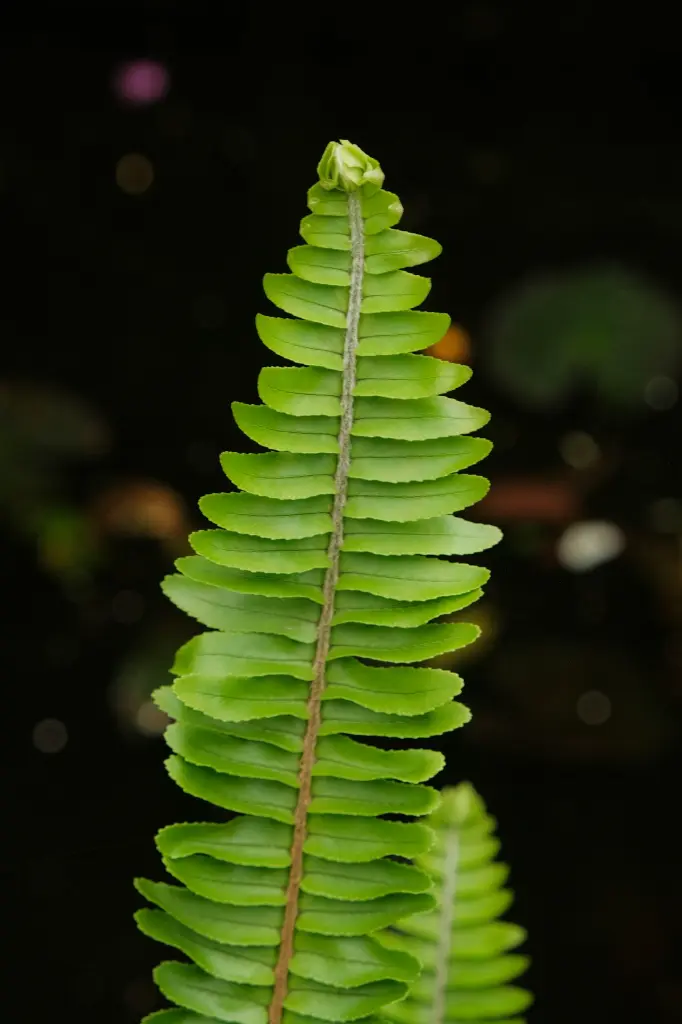
Oak Leaf Fern (Drynaria quercifolia)
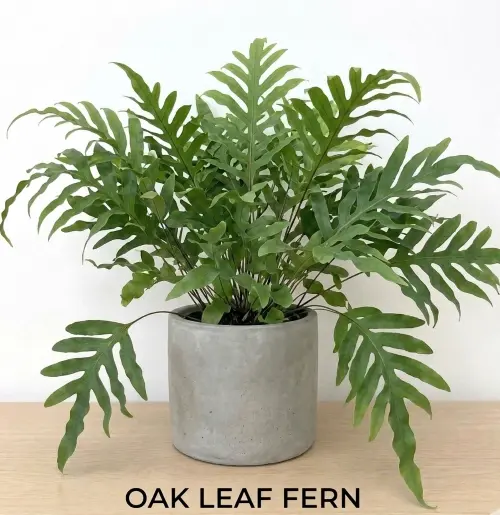
The Oak Leaf Fern is a distinctive tropical fern admired for its uniquely shaped fronds that resemble the leaves of an oak tree. Native to tropical regions of Asia, this epiphytic fern naturally grows on tree trunks, rocks, and other surfaces, creating a lush, forest-like appearance. Its unusual foliage, easy-going nature, and ornamental appeal make it a favorite among fern collectors, indoor plant enthusiasts, and landscape designers.
With its dramatic foliage and natural tropical charm, the Oak Leaf Fern brings texture, greenery, and character to homes, offices, patios, and shaded gardens.
Plant Overview
Product Name: Oak Leaf Fern (Drynaria quercifolia)
Common Names: Oak Leaf Fern, Basket Fern, Oak Fern
Plant Category: Tropical Fern, Epiphytic Evergreen Plant
Growth Habit: Spreading, clump-forming fern with arching fronds
Leaf Structure: Deeply lobed fronds resembling oak leaves, accompanied by protective shield fronds at the base
Suitable Locations: Indoor spaces, shaded balconies, patios, conservatories, tropical gardens
Primary Use: Ornamental foliage display, hanging baskets, mounted plant arrangements, tropical landscaping
Why Oak Leaf Fern Is So Popular
The Oak Leaf Fern stands out because of its unusual leaf shape and natural growth habit. Unlike many common ferns, it develops two distinct types of fronds: fertile foliage fronds and sterile shield fronds. This unique feature adds visual interest and creates a striking architectural appearance.
Its ability to thrive in humid, shaded environments makes it a valuable addition to indoor plant collections and tropical landscape designs.
Distinctive Botanical Characteristics
Oak-Like Foliage
The long, deeply lobed fronds closely resemble the shape of oak tree leaves, giving the plant its common name.
Protective Shield Fronds
At the base of the plant, brown papery shield fronds help collect organic matter and moisture, supporting healthy growth.
Epiphytic Growth Habit
In nature, the fern grows attached to trees rather than in the ground, making it ideal for mounted displays and hanging arrangements.
Evergreen Appearance
The plant maintains lush greenery throughout the year when provided with suitable growing conditions.
Functional Benefits
Unique Decorative Appeal
Its unusual foliage creates an eye-catching focal point in homes, offices, and gardens.
Space-Saving Growth
Can be mounted vertically on boards or grown in hanging baskets to maximize space.
Tropical Ambiance
Adds a lush rainforest feel to indoor and outdoor environments.
Low-Maintenance Nature
Once established, it requires relatively simple care and adapts well to humid conditions.
Growth and Environmental Requirements
Light Needs
Enjoys bright, indirect light or partial shade. Avoid direct afternoon sunlight, as it can scorch the fronds.
Soil Needs
Flourishes in loose, well-draining soil that is rich in organic matter. Suitable materials include orchid bark, coconut chips, sphagnum moss, and fern mixes.
Watering Requirements
Keep the growing medium consistently moist but not soggy. Allow for slight drying between watering sessions.
Temperature Range
Thrives best in temperatures between 18°C and 30°C (65°F to 86°F) and should be protected from temperatures below 12°C (54°F).
Humidity Requirements
Prefers moderate to high humidity levels and does well in humid indoor conditions.
Essential Care Practices
Maintain Good Air Circulation
Provide adequate airflow around the plant to reduce the risk of fungal issues.
Avoid Overwatering
Excess moisture can lead to root and rhizome problems. Ensure proper drainage at all times.
Fertilization
Feed lightly every four to six weeks during active growth using a diluted balanced liquid fertilizer.
Cleaning Fronds
Remove old or damaged fronds as needed to maintain a tidy appearance and encourage healthy growth.
Repotting
Repot or remount only when the plant becomes overcrowded or outgrows its support.
Propagation Methods
Division
Large, mature plants can be divided by separating healthy rhizome sections containing active growth points.
Spore Propagation
Can be propagated through spores, although this method requires patience and controlled growing conditions.
Common Problems and Solutions
Wilting Leaves
Typically a sign of underwatering, extreme temperatures, or root rot. Ensure consistent moisture levels and check for drainage issues.
Discoloration
Can indicate nutrient imbalances or insufficient light exposure. Modify fertilization and lighting conditions as needed.
Stunted Growth
Often linked to low humidity, lack of sunlight, or inadequate feeding.
Infestations
May be prone to aphids, whiteflies, or thrips. Regularly monitor plants and apply treatments as required.
Interior Design Applications
The Oak Leaf Fern is highly valued for tropical, naturalistic, and botanical-inspired interiors. It looks stunning in hanging baskets, mounted displays, vertical gardens, shaded patios, and indoor plant walls. Its sculptural foliage adds texture and depth while creating a lush, jungle-like atmosphere.
Quick Care Summary
Feature | Requirement |
|---|---|
| Brightness | Bright indirect light or light partial shade |
| Irrigating | Keep the soil slightly damp, ensuring it doesn't become waterlogged |
| Terrain | Lightweight, well-aerated organic blend |
| Temperature | 18°C–30°C (65°F–86°F) |
| Humidity | Moderate to high preferred |
| Fertilizer | Every 4–6 weeks during active growth |
| Growth Pattern | Growing epiphytic fern |
| Maintenance Level | Low to moderate |
| Propagation | Division, spores |
Conclusion
The Oak Leaf Fern (Drynaria quercifolia) is a remarkable tropical fern celebrated for its oak-shaped foliage, epiphytic growth habit, and striking ornamental value. Its unique appearance, adaptability, and low-maintenance requirements make it an excellent choice for indoor plant collections, hanging displays, and tropical landscapes. With proper care, this distinctive fern provides year-round greenery and a captivating touch of rainforest beauty to any environment.