
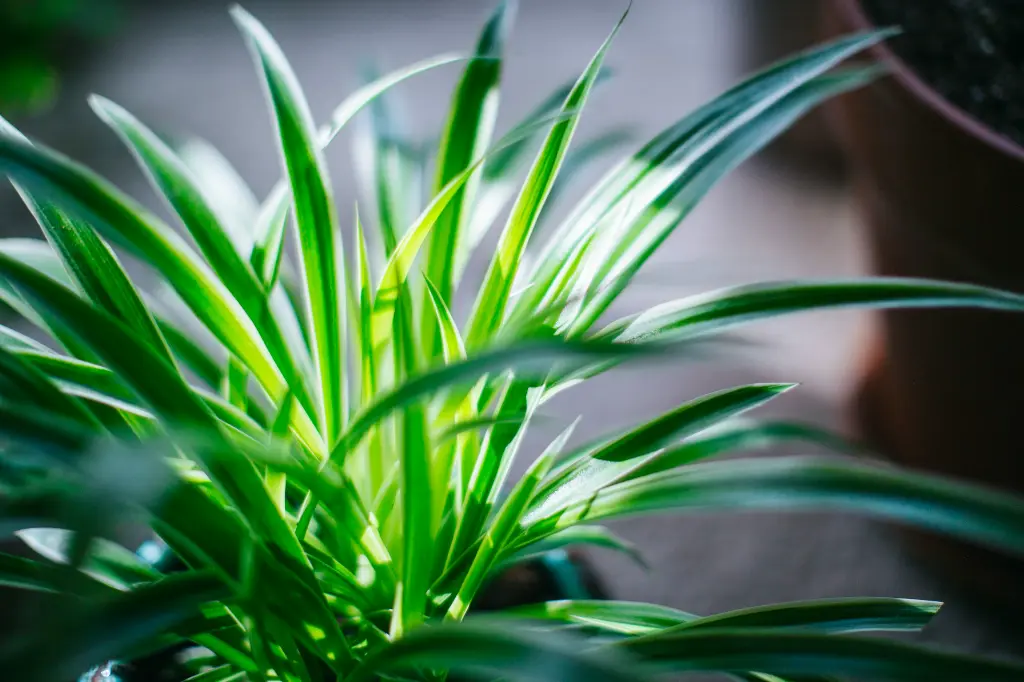
Spider Plant with Gift Pot
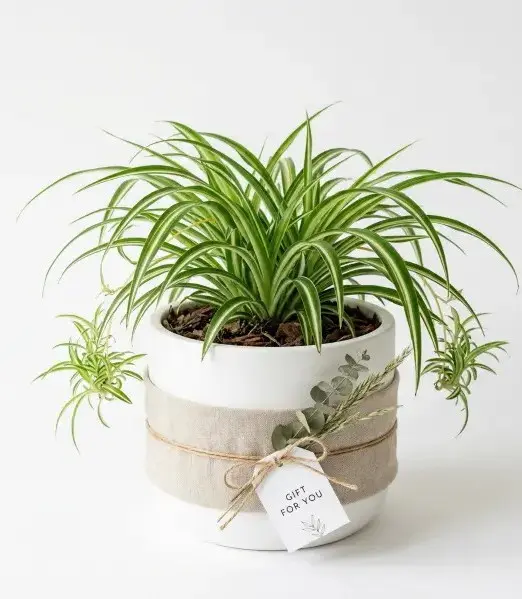
The Spider Plant (Chlorophytum comosum), frequently grown as the Ribbon Plant or Airplane Plant, is a vibrant, arching tropical perennial prized for its fountain-like rosette of slender, variegated leaves and cascading offshoots. Paired with a premium, decorative gift pot, this classic structural favorite brings a sophisticated, cascading presence into cozy apartments, modern offices, and shelf displays.
Plant Overview
- Product Name: Spider Plant with Gift Pot (Chlorophytum comosum)
- Category: Houseplants, Hanging Perennials, and Gift Sets
- Product Type: Live evergreen tropical plant housed in a decorative planter
- Form / Texture: Tufted, fountain-like architecture with a weeping growth habit, flexible fleshy roots, and a dense crown of ribbon-like, cream-striped leaves
- Suitable For: Desk tops, accent tables, hanging baskets, bright offices, and window sills
- Application: Small-to-medium interior greening, desktop architectural framing, and curated gift giving
Core Functions & Value
- Delivers an authentic, lush "fountain" aesthetic that scales beautifully down shelves or across tabletops.
- Softens harsh architectural lines and sharp furniture edges with its delicate, gently arching foliage.
- Functions as an excellent long-term structural accent piece for minimalist or layered room layouts.
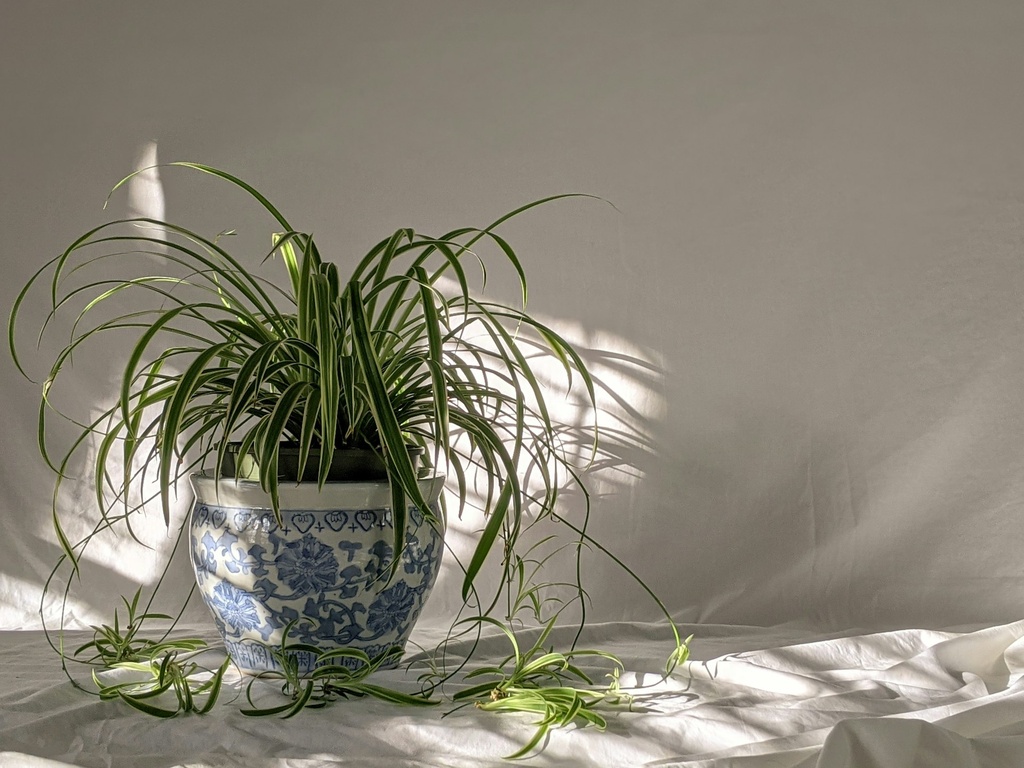
- Responds brilliantly to maturity, producing cascading "spiderettes" (offsets) that can be easily propagated or left to create a multi-tiered display.
Botanical Features
- Linear Variegated Foliage: Narrow, ribbon-like leaves up to 18 inches long that feature a sharp, clean central stripe of cream or white bordered by rich green.
- Slender Arching Stolons: Highly flexible, pale yellow-green runners that weep downward under the weight of miniature plantlets.
- Fleshy Rhizomatous Roots: Thick, tuberous root networks that efficiently store water and nutrients, adapting the plant to indoor life.
- Star-Shaped Blooms: Small, delicate white flowers that bloom intermittently along the arching runners before forming offsets.
Key Performance Traits
- Adaptable Stature: Capable of growing anywhere from 12 to 24 inches wide and trailing several feet down via runners, making a true visual statement.
- Dense Rosette Coverage: Packs dozens of arching leaves close together, creating an effective natural indoor burst of texture.
- Long Lifespan: With stable conditions, individual plants can thrive inside the same household for decades.
- Resilient Framework: Does not require structural staking, as the thick, fleshy base anchors the arching foliage naturally.
Cultivation Requirements
- Light: Demands consistent bright, filtered indirect sunlight; can adapt to lower light conditions, but its growth slows and variegation may fade.
- Soil: Requires a rich, well-aerated, standard peat-based potting soil mixed with perlite or coarse sand to guarantee swift water passage within the gift container.
- Moisture: Prefers a reliable baseline of moisture; water thoroughly once the top half of the soil becomes dry, never letting the root ball parch completely.
- Temperature: Flourishes in steady warmth between 13°C and 27°C; highly vulnerable to sudden chilly drops below 10°C.
Care Instructions
- Select a prominent home for the decorative gift pot and maintain its position; avoid exposing it to severe, sudden temperature fluctuations.
- Water until liquid drains freely into the reservoir or saucer of the gift pot, then immediately empty the excess water to avoid waterlogging the roots.
- Keep the plant far away from drafty windows, entry doors, or active air conditioning and heating vents.
- Feed with a balanced liquid houseplant fertilizer diluted to half-strength once a month during the spring and summer active growing seasons.
Primary Applications
- Empty desk corners, coffee tables, and structural counter alcoves.
- Bright corporate offices, cubicles, and reception desks as a welcoming gesture.
- Sun-drenched indoor patios, terrariums, and sunrooms.
- Visual accents when placed on floating shelves for modern, open-concept home designs.
- Ready-to-display gifting for housewarmings, corporate milestones, or holidays.
Strategic Pros
- Highly customizable profile: Easily trimmed by removing runners to maintain a specific width or a compact shape.
- Exceptionally long-lived asset: Appreciates in visual value as the plant matures and produces multiple tiers of hanging baby plants.
- Lush, kinetic texture: Creates a dynamic, moving look as the thin runners bounce gently in internal air currents.
- Ready for display: Wrapped in a professional gift pot, eliminating the immediate need for repotting or purchasing extra containers.
Risks & Limitations
- Toxicity Warning: Generally non-toxic to dogs and cats, though the leaves contain mild hallucinogenic compounds for felines that can cause mild stomach upset if chewed in large quantities.
- Drama-Prone Habits: Infamous for developing dry, brown leaf tips overnight in response to minor fluoride or chlorine build-up in municipal tap water.
- Root Rot Vulnerability: Prolonged saturated conditions cause rapid root suffocation, leading to leaf yellowing, transparency, and base rot.
- Pest Attraction: Scale insects, mealybugs, and spider mites can hide easily within the dense, crowded center of the rosette if air is stagnant.
Handling & Upkeep Tips
- Prune dead leaves or brown tips in late winter using sharp shears, cutting at an angle to mimic the natural leaf shape and maximize aesthetic appeal.
- Wipe or gently mist the canopy occasionally to keep dust from blocking light intake on the long, slender leaf surfaces.
- If sudden leaf bleaching occurs, resist the urge to overwater; check for sun scorch, adjust its distance from the window, and wait for fresh foliage to push through.
Prevention & Operational Safety
- Wear simple garden gloves while pruning or dividing thick root clumps to keep hands clean from wet soil and organic material.
- Ensure the heavy decorative planter is set securely on flat surfaces to prevent the asymmetrical weight of trailing runners from tipping it over.
- Always use distilled or rainwater if the plant exhibits chronic brown tipping due to chemical sensitivities in local water.
Ideal Use-Cases
- Cozy, sun-drenched rooms with shelf space or empty tabletops.
- Beginner or busy plant owners who need a resilient, forgiving plant species.
- Offices with consistent, automated climate controls looking for a polished desk companion.
- Pet-friendly interior spaces needing a dramatic, safe focal point.
- Corporate or personal gifting circumstances requiring a ready-to-display, beautiful product.
Interesting Trivia
- In its native forest habitats across Southern and Western Africa, Chlorophytum comosum grows primarily as a ground cover, spreading across the forest floor via its long, rooting stolons.
- The Spider Plant was famously featured in NASA’s Clean Air Study, demonstrating a strong capacity to remove common indoor airborne toxins like formaldehyde and xylene from sealed environments.
- The plant's common names across various cultures often translate to "hen and chickens" or "motherhood plant" due to the way the parent plant carries its numerous offspring on dangling lines.
Summary
The Spider Plant with Gift Pot remains an icon of interior design and mindful gifting for its unmatched ability to bring a true, cascading fountain canopy indoors instantly. While it can be sensitive to heavy tap water and overwatering, providing a stable, bright location and a careful watering routine ensures this elegant, pre-potted tree-alternative remains a lush centerpiece for years to come.
References
- North Carolina Extension Gardener Plant Toolbox. (n.d.). Chlorophytum comosum (Spider Plant). North Carolina State University. https://plants.ces.ncsu.edu/plants/chlorophytum-comosum/
- Royal Horticultural Society. (n.d.). Chlorophytum comosum 'Vittatum' (Spider Plant). RHS Gardening. https://www.rhs.org.uk/plants/3639/chlorophytum-comosum-vittatum/details
- Wolverton, B. C., Johnson, A., & Bounds, K. (1989). Interior Landscape Plants for Indoor Air Pollution Abatement (Report No. NASA-TM-101948). NASA John C. Stennis Space Center.