Baby Rubber Plant
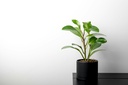
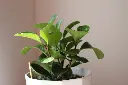
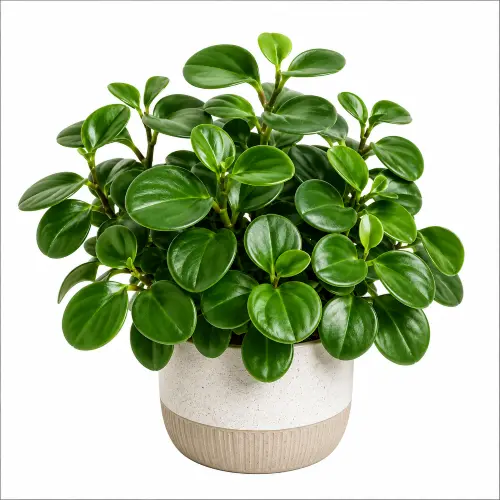
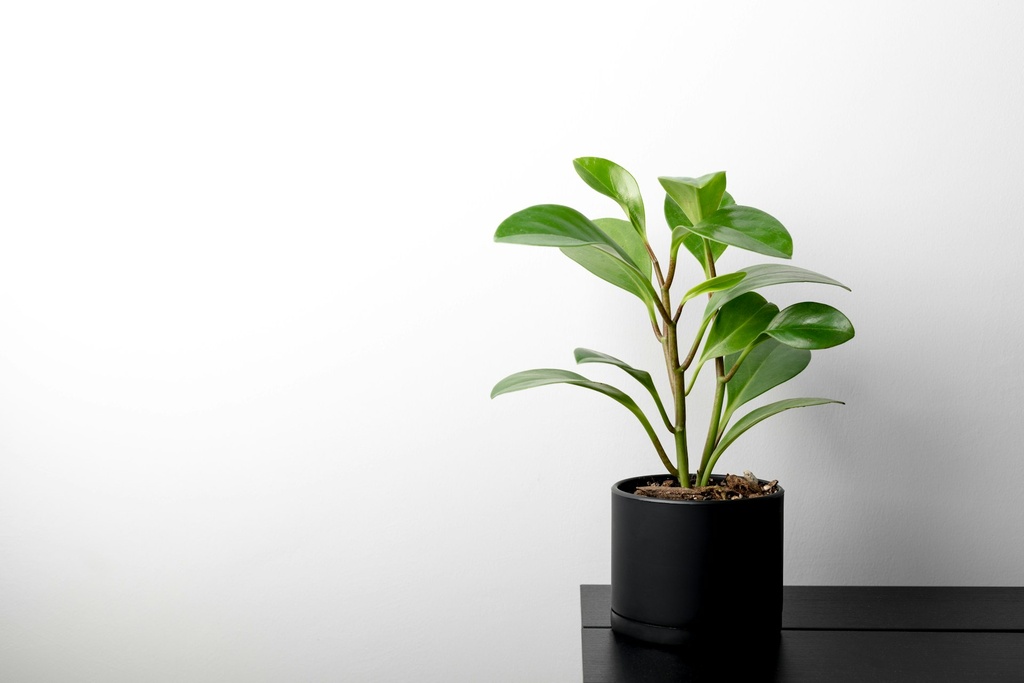
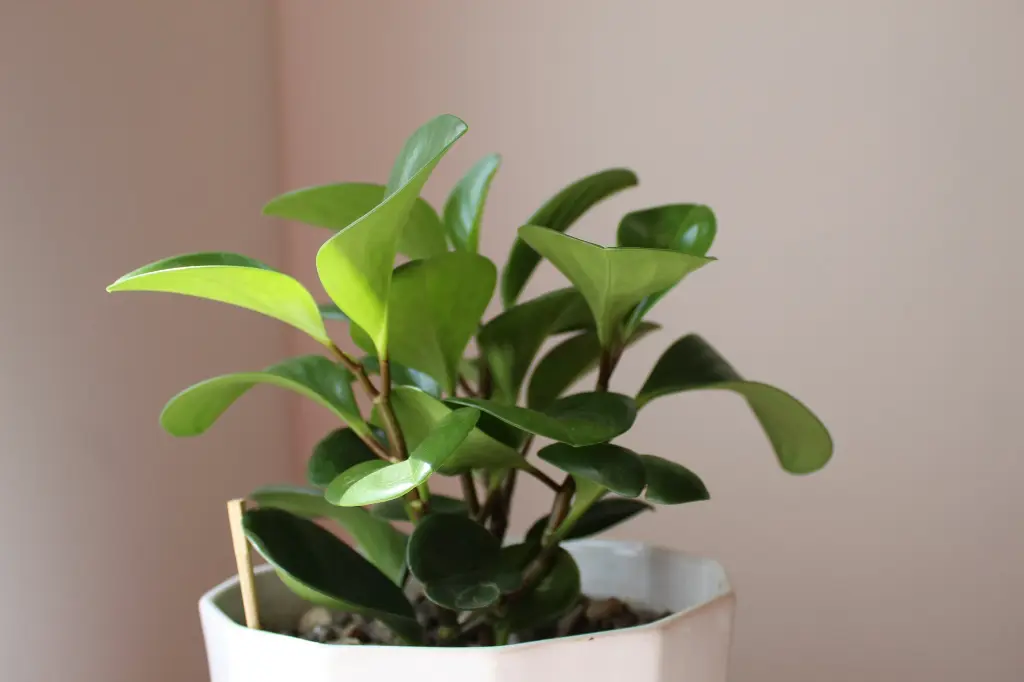
The Baby Rubber Plant (Peperomia obtusifolia), also known as the pepper face plant, is a hardy, semi-succulent perennial prized for its thick, glossy, spoon-shaped leaves. Despite its common name, it is completely unrelated to the actual rubber tree (Ficus elastica); instead, its compact size and resilient nature make it a staple favorite for indoor desks, shelving, and low-maintenance houseplant collections.
Plant Overview
- Product Name: Baby Rubber Plant (Peperomia obtusifolia)
- Category: Houseplants, Succulent-like Perennials, and Office Plants
- Product Type: Live evergreen tropical foliage plant
- Form / Texture: Compact, upright, and bushy growth habit with thick, fleshy stems and smooth, leather-like leaves
- Suitable For: Desks, tabletops, terrariums (larger sizes), shelves, and windowsill gardening
- Application: Ornamental indoor cultivation, low-maintenance home decoration, and small container gardening
Core Functions & Value
- Delivers a striking structural aesthetic with its rubbery, light-reflecting foliage.
- Functions beautifully in tight living spaces due to its slow-growing, self-limiting size.
- Forgives irregular watering schedules, acting as an ideal transition plant for beginners shifting from succulents to foliage plants.
- Fits easily onto narrow windowsills, countertops, or office spaces without trailing aggressively over boundaries.
Botanical Features
- Fleshy Stems: Stout, juicy, dark green or reddish stems that function as moisture-storage organs.
- Obovate Foliage: Blunt, inverted egg-shaped leaves featuring a cupped or slightly scooped profile.
- Semi-Succulent Roots: A highly delicate, relatively small fibrous root cluster that prefers confined spaces.
- Spike Inflorescences: Narrow, greenish-white, petal-less flower spikes resembling tiny tails that emerge during peak warmth.
Key Performance Traits
- High Drought Tolerance: Fleshy leaves and stems efficiently lock in internal water reserves.
- Slow, Manageable Pace: Maintains its compact desktop form for years without needing frequent pruning.
- Pet-Safe Composition: Entirely non-toxic to domestic animals, reducing safety concerns for pet owners.
- Adaptive Light Use: Capable of surviving on lower light levels than true desert succulents.
Cultivation Requirements
- Light: Prefers moderate to bright, filtered indirect light; variegated cultivars need brighter rooms to preserve leaf patterns.
- Soil: Demands a loose, highly aerated medium like a standard potting soil cut with 50% perlite or coarse orchid bark.
- Moisture: Soil must dry out almost completely between waterings; avoid keeping the root zone damp.
- Temperature: Flourishes in typical room temperatures ranging from 18°C to 27°C; keep away from frost.
Care Instructions
- Always utilize containers with baseline drainage holes to prevent anaerobic root suffocation.
- Test soil dryness by dipping a finger deep into the pot; if moisture is felt, delay watering.
- Wipe the smooth leaf surfaces occasionally with a damp microfiber cloth to remove dust barriers.
- Feed with a general liquid balanced plant food diluted to quarter-strength every six weeks in spring and summer.
Primary Applications
- Office cubicle and desk accenting.
- Tiered plant shelving configurations.
- Small indoor dish gardens.
- Shaded patio or porch container groupings (during summer months).
- Modern minimalist indoor interior staging.
Strategic Pros
- Exceptional survival rate under minor neglect or missed waterings.
- Propagates rapidly from individual leaf or stem cuttings in water or damp perlite.
- Unlikely to outgrow its assigned location quickly, dropping minimal debris.
- High natural resistance to structural drooping or leaf drop.
Risks & Limitations
- Highly susceptible to root rot if overwatered or planted in heavy, clay-rich media.
- Leaves turn yellow, soften, and drop off if the potting mix stays waterlogged.
- Vulnerable to physical leaf scarring if exposed to sharp freezing drafts.
- Growth will stall entirely if placed in dark, windowless interior corners.
Handling & Upkeep Tips
- Pinch back the growing tips of older stems in spring if you want to force a bushier, denser shape.
- Avoid large over-sized pots when repotting; keeping the container snug prevents excess soil moisture.
- Avoid chemical leaf-shine products, which can clog the natural stomata pores on these fleshy leaves.
Prevention & Operational Safety
- Wash hands after major pruning sessions to remove dried plant sap from skin surfaces.
- Inspect the hidden joints where leaf stems meet the main stalk for mealybugs or spider mites.
- Never leave the base of the pot sitting inside a drainage saucer filled with stagnant runoff water.
Ideal Use-Cases
- Low-maintenance office desks
- Homes with curious cats or dogs
- High-perch wall shelves
- Gift plants for beginner gardeners
- Modern minimalist ceramic planters
Interesting Trivia
- The genus name Peperomia translates literally from Greek as "resembling pepper," pointing to its close genetic relationship to the black pepper spice plant (Piper nigrum).
- In its native South American rainforest habitats, this species often grows as an epiphyte—clinging harmlessly to tree forks and decaying logs rather than grounding in dense soil.
Final Review
The Baby Rubber Plant offers an impeccable balance between succulent-like durability and lush tropical aesthetics. By respecting its strict preference for dry soil intervals and indirect lighting, collectors of any experience level can maintain a healthy, architectural evergreen display.
Sources
- North Carolina Extension Gardener Plant Toolbox - Peperomia obtusifolia: https://plants.ces.ncsu.edu/plants/peperomia-obtusifolia/
- University of Florida IFAS Extension - Peperomia obtusifolia Baby Rubber Plant: https://edis.ifas.ufl.edu/publication/FP464
- Royal Horticultural Society (RHS) - Peperomia obtusifolia: https://www.rhs.org.uk/plants/12534/peperomia-obtusifolia/details
Great stories have a personality. Consider telling a great story that provides personality. Writing a story with personality for potential clients will assist with making a relationship connection. This shows up in small quirks like word choices or phrases. Write from your point of view, not from someone else's experience.
Great stories are for everyone even when only written for just one person. If you try to write with a wide, general audience in mind, your story will sound fake and lack emotion. No one will be interested. Write for one person. If it’s genuine for the one, it’s genuine for the rest.
WANDERING JEW
Rhoeo Plant – Rhoeo discolor (Tricolor / Variegated)
The Rhoeo discolor, popularly known as the Tricolor Rhoeo or Variegated Rhoeo, is a vibrant perennial that effortlessly adds color and texture to any indoor or outdoor space. Its eye-catching foliage showcases a mix of green, white, and purple hues, making it a natural statement piece. Compact yet resilient, the Rhoeo is ideal for windowsills, tabletops, garden borders, or as a ground cover in tropical landscapes.
This plant isn’t just about aesthetics. Known for its hardiness, the Rhoeo thrives in a variety of conditions, tolerates drought, and requires minimal maintenance, making it perfect for beginners and busy gardeners alike.
Why Rhoeo Stands Out
- Striking Foliage: A lively mix of green, white, and purple leaves that can brighten any space.
- Adaptable: Tolerates a range of light levels—from partial shade to bright, indirect sunlight.
- Low Maintenance: Thrives with minimal attention, making it perfect for indoor or outdoor setups.
- Air Purifier: Helps improve indoor air quality by filtering pollutants.
- Eco-Friendly: Drought-tolerant and hardy in poor soil, supporting sustainable gardening practices.
Growing Guidelines
- Soil: Use well-draining soil to avoid root rot; a mix of potting soil and perlite works well.
- Light: Prefers bright, indirect light but can handle partial shade.
- Watering: Water only when the top inch of soil feels dry; overwatering can harm the plant.
- Temperature: Ideal growth occurs in 60°F–80°F (15°C–27°C).
Care Tips
- Remove infected leaves for proper growth and good look.
- Dust the leaves occasionally to maintain healthy photosynthesis.
- Repot every 1–2 years to provide fresh soil and space for roots.
- Monitor for pests like spider mites and aphids; treat with mild insecticidal soap if necessary.
Propagation
Expanding your Rhoeo collection is simple:
1. Cut a healthy leaf or stem section.
2. Allow the cut end to dry slightly (callous).
3. Plant it in moist, well-draining soil and wait for roots to establish.
Within weeks, you’ll have new plants ready to flourish in your space.
Placement & Styling
- Indoor Accent: Perfect for brightening up shelves, corners, or tabletops.
- Outdoor Landscapes: Adds color to garden borders, planters, or as low-maintenance ground cover.
- Mixed Plant Displays: Pair with green foliage or flowering plants to highlight the Rhoeo’s vibrant colors.
Fun Facts
- Often called “Moses-in-the-bulrushes” due to the shape of its leaves.
- Part of the Commelinaceae family, related to other popular tropical plants.
- Can flourish in low-light indoor spaces, making it ideal for apartments or offices.
- Plant that contains medicinal value.
Varieties
- Tricolor Rhoeo: Showcases green, white, and purple shades.
- Variegated Rhoeo: Features cream or white-edged leaves with subtle purple accents.
Choose based on your color preference—or grow both for maximum visual impact!
Rhoeo Benefits
- Pet-Friendly: Non-toxic to cats and dogs.
- Air-Purifying: Helps filter indoor pollutants.
- Low Effort: Thrives on minimal care, ideal for busy plant parents.
- Aesthetic Appeal: Adds vibrant color, texture, and a tropical vibe to your space.
Landscaping Uses
Rhoeo is a versatile plant in gardens and patios:
- Works well as border plants or ground cover.
- Provides color contrast against green foliage.
- Thrives in planters, hanging baskets, or container gardens.
Summary
The Rhoeo discolor is a resilient, colorful, and easy-to-care-for plant that can transform any space into a lively tropical paradise. Its vibrant leaves, adaptability, and low-maintenance nature make it a favorite among gardeners of all levels. Whether used indoors or outdoors, as a decorative accent or as part of a garden bed, the Rhoeo adds a splash of color and a touch of exotic charm wherever it grows.