Alocasia Polly
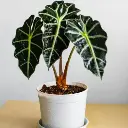
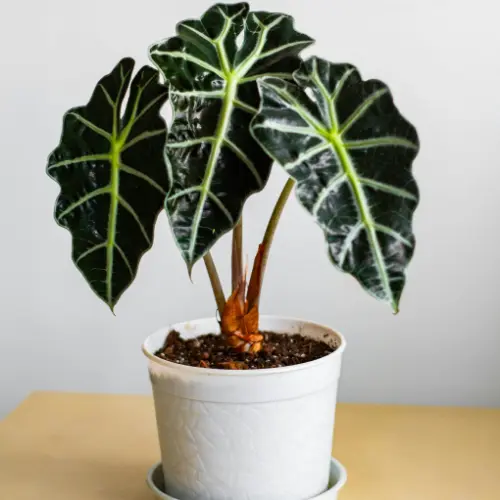
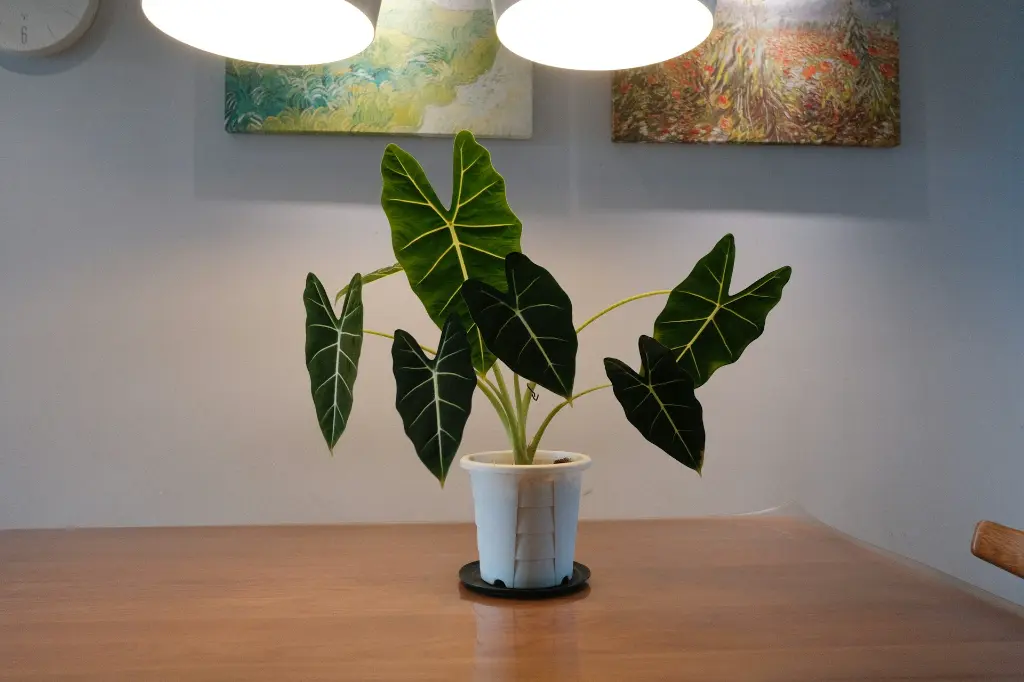
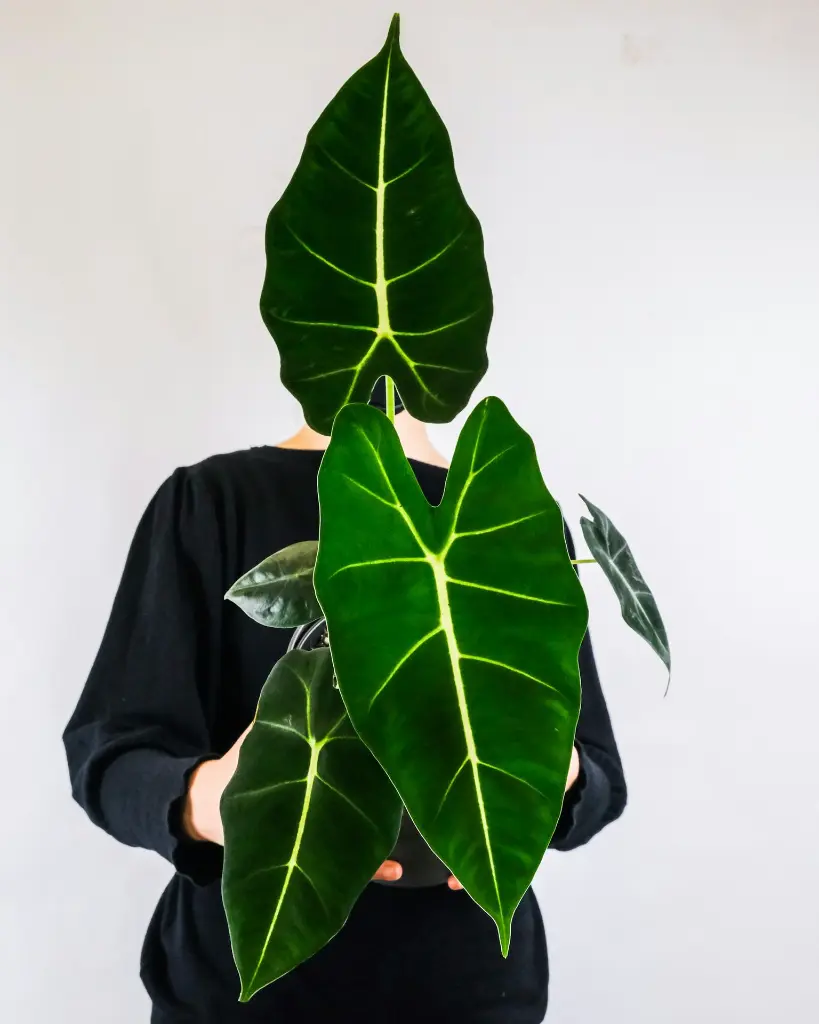
The Alocasia Polly (Alocasia × amazonica 'Polly'), frequently known as the African Mask Plant or Elephant Ear, is a striking, compact hybrid houseplant celebrated for its dramatic architectural foliage. Characterized by deep, near-black green leaves shaped like shields and marked with piercing silver-white veins, it serves as a bold statement piece for indoor growers who enjoy tropical styling.
Plant Overview
- Product Name: Alocasia Polly (Alocasia × amazonica 'Polly')
- Category: Houseplants, Tropical Foliage, Exotic Collectibles
- Product Type: Live rhizomatous perennial foliage plant
- Form / Texture: Upright, structural, and vase-shaped growth with glossy, leathery leaves featuring deeply scalloped margins
- Suitable For: Bright rooms, plant stands, table centerpieces, and medium-sized indoor plant clusters
- Application: Ornamental indoor cultivation, dramatic interior design framing, and high-humidity display settings
Core Functions & Value
- Offers an intensely dramatic, gothic visual aesthetic due to its highly contrasting dark leaf blades and stark white skeleton-like veins.
- Functions as a compact alternative to massive outdoor Elephant Ear varieties, staying under $2\text{ feet}$ tall.
- Adds high architectural value to rooms, breaking up the visual monotony of soft, round-leaved houseplants.
- Naturally adapted to utilize horizontal space efficiently, making it excellent for narrow, bright shelving.
Botanical Features
- Arrowhead Leaf Blades: Elongated, wavy-edged shield leaves with a rich, dark green satin top surface and a deep purple underside.
- Thick Petioles: Rigid, fleshy, self-supporting stems that emerge directly from an underground storage structure.
- Rhizomatous Rootstock: A thick, bulb-like tuberous underground stem system that stores starches and moisture reserves.
- Spadix Inflorescence: Occasional pale green or white hooded blooms that look similar to a calla lily, though rare indoors.
Key Performance Traits
- High Contrast Visibility: Bold colors stay vivid year-round and do not fade out with age if kept healthy.
- Compact Footprint: Unlike larger cousins, it maintains a structured, manageable size ideal for indoor apartments.
- Predictable Dormancy Cycle: Capable of retreating completely into its underground bulb to survive cold or dry stress, then resprouting when conditions warm.
- Rapid Leaf Production: Can push out a massive new leaf every few weeks during the peak heat of summer.
Cultivation Requirements
- Light: Requires bright, completely indirect sunlight; direct rays will blister the dark leaf tissue, while low light causes stems to droop and stretch.
- Soil: Demands a highly porous, chunky mix consisting of equal parts potting soil, perlite, peat moss, and orchid bark.
- Moisture: Needs a balanced hydration cycle; the mix should stay lightly damp, allowing only the top $1\text{ to }2\text{ inches}$ to dry out between waterings.
- Temperature: Thrives in consistent warmth between 18°C and 27°C; highly sensitive to sudden cold drops below 15°C.
Care Instructions
- Always plant in a vessel equipped with functional base drainage holes to avoid water pool stagnation around the underground rhizome.
- Water thoroughly until moisture runs out the bottom, then dump out any standing liquid from the decorative tray or saucer.
- Provide elevated ambient humidity (above 50%) using a humidifier or by grouping it closely with other plants.
- Apply a balanced liquid houseplant fertilizer diluted to half-strength once a month exclusively during active spring and summer growth.
Primary Applications
- High-visibility living room shelving and plant stands.
- Humid bathroom or kitchen countertop styling.
- Well-lit office desks or entryways.
- Staged focal points within modern, minimalist apartments.
- Humid indoor greenhouse cabinets or enclosed plant vivariums.
Strategic Pros
- Provides unmatched, dramatic visual punch that commands attention in any room layout.
- Recovers fully from leaf loss; as long as the underground bulb remains firm and rot-free, it can regenerate completely.
- Leaves are structurally tough and leathery, making them less prone to tearing compared to thinner tropical leaves.
- Stems grow strictly upright, occupying minimal horizontal room on tables or counters.
Risks & Limitations
- Toxicity Warning: Contains calcium oxalate crystals which are highly toxic to cats, dogs, and humans if chewed or ingested.
- Prone to going into sudden winter dormancy (dropping leaves) if exposed to chilly drafts or low winter humidity.
- Exceptionally sensitive to root rot if the growing medium stays saturated, heavy, or poorly aerated.
- Highly attractive to spider mites if the surrounding household air becomes dry and dusty.
Handling & Upkeep Tips
- Wipe down the large leaf plates with a damp, soft cloth regularly to prevent dust accumulation from blocking light absorption.
- Cut away older, yellowing outward leaves at the very base of the stem with sterilized shears to direct energy to fresh growth.
- Rotate the container a quarter-turn every week to ensure the structural stems grow evenly upright rather than leaning toward a window.
Prevention & Operational Safety
- Wear gloves when handling broken stems, as the sap can cause minor skin irritation or itching in sensitive individuals.
- Never place this plant near heating vents, air conditioners, or exterior doors where sudden temperature swings occur.
- Keep the plant completely out of reach of domestic pets and toddlers due to its chemical defenses.
Ideal Use-Cases
- Dedicated plant collectors with humid grow spaces
- Modern interior design focal points
- Humid bathrooms with bright privacy windows
- Pet-free, bright apartments
- Green-cabinet environments
Interesting Trivia
- Despite its botanical name Alocasia × amazonica, this plant is completely unrelated to the Amazon rainforest; it was actually cross-bred and named by a salvage yard owner in Miami, Florida during the 1950s.
- The name 'Polly' represents a specific dwarf sport selection of that original hybrid, bred specifically to offer a tighter, more compact form for interior growers.
Summary
The Alocasia Polly is a rewarding, visually spectacular houseplant that offers an unmissable tropical look. While its demands for high humidity, careful watering, and warm temperatures make it slightly more demanding than standard low-light plants, its stunning geometric leaves reward attentive caretakers with an unmatched structural showpiece.
Sources
- North Carolina Extension Gardener Plant Toolbox - Alocasia × amazonica: https://plants.ces.ncsu.edu/plants/alocasia-amazonica/
- University of Wisconsin-Madison Extension - African Mask Plant (Alocasia): https://hort.extension.wisc.edu/articles/african-mask-plant-alocasia/
- Royal Horticultural Society (RHS) - Alocasia × amazonica 'Polly': https://www.rhs.org.uk/plants/93892/alocasia-amazonica-polly/details